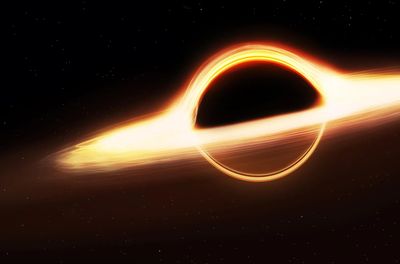
Astronomers have discovered the oldest known pair of supermassive black holes, identified as quasars, dating back to just 900 million years after the Big Bang. This finding challenges existing theories of...
Research indicates that massive stars may collapse into black holes without producing supernova explosions, based on the analysis of 257 black hole mergers detected by gravitational waves. This challenges...
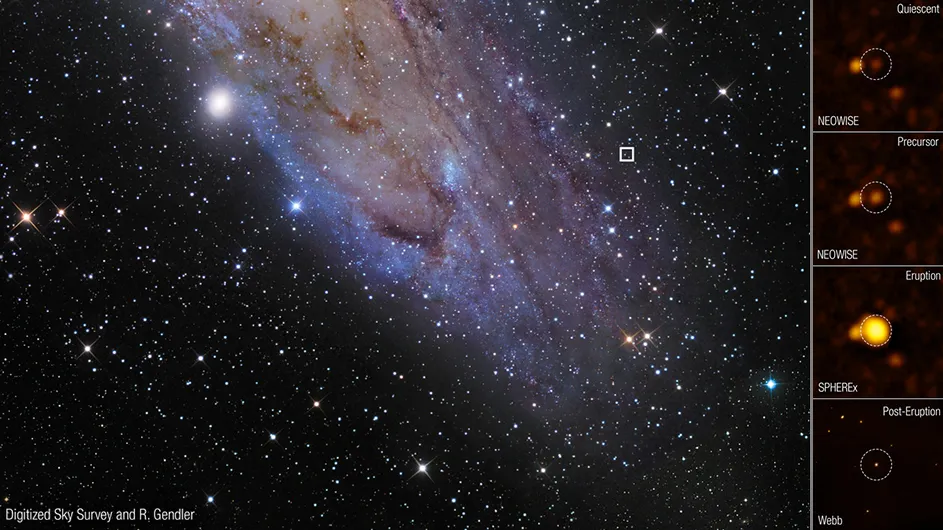
Astronomers observed a massive star consuming its smaller neighbor before exploding in a Type II supernova, located 120 million light-years away. This event is significant for understanding stellar evolution...
Astronomers are developing a virtual "supertelescope" by integrating data from three major telescope projects to improve our understanding of the universe using AI. This initiative addresses the challenges of...
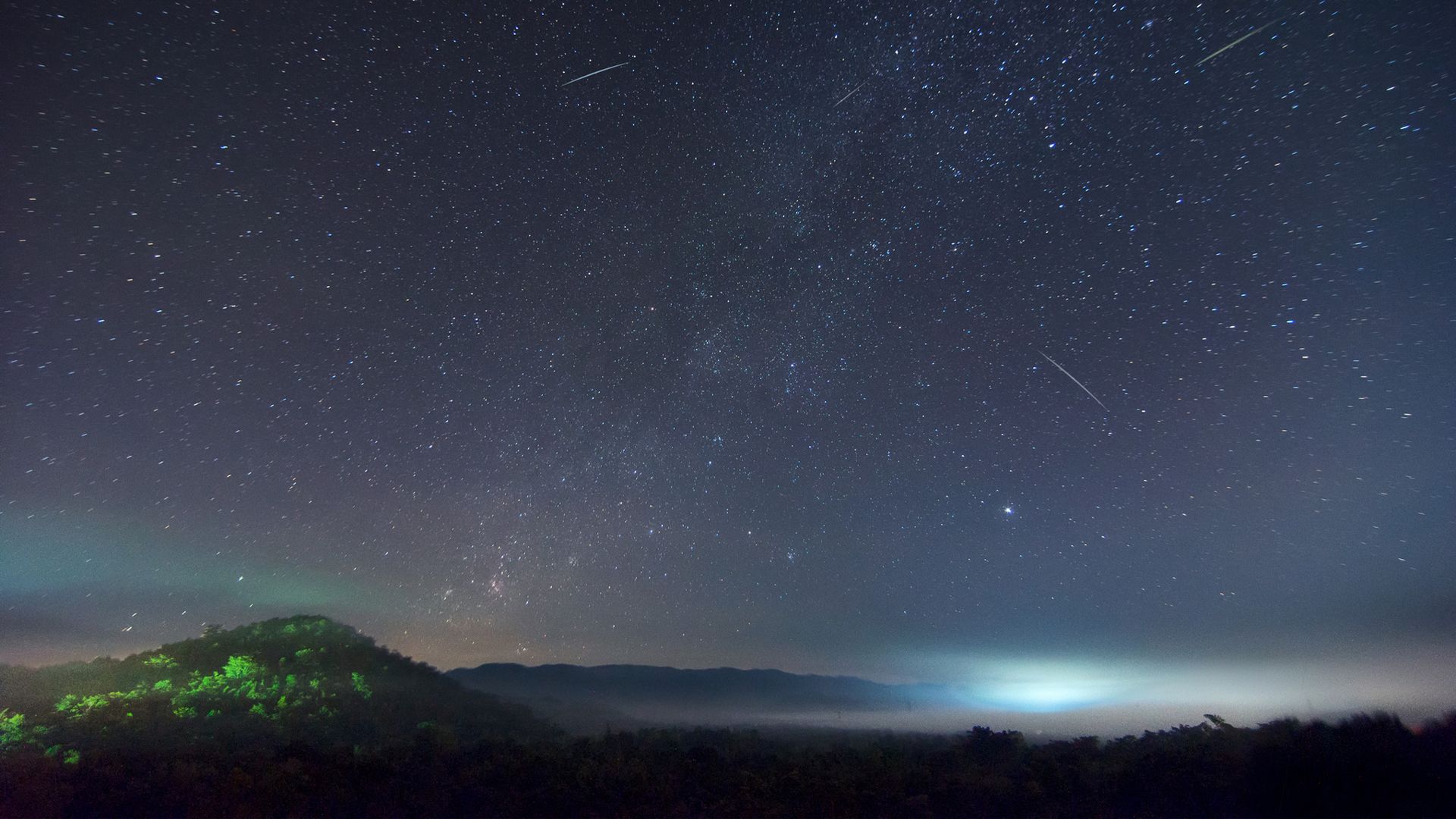
The Leonid meteor shower peaks tonight, offering up to 15 shooting stars per hour for viewers under dark skies. Observers should look toward the constellation Leo between 2 a.m. and 5 a.m. local time for the...
Researchers at the University of British Columbia have identified 15,000 new potential strong gravitational lenses using data from the Euclid satellite. This discovery enhances astronomers' capabilities to...
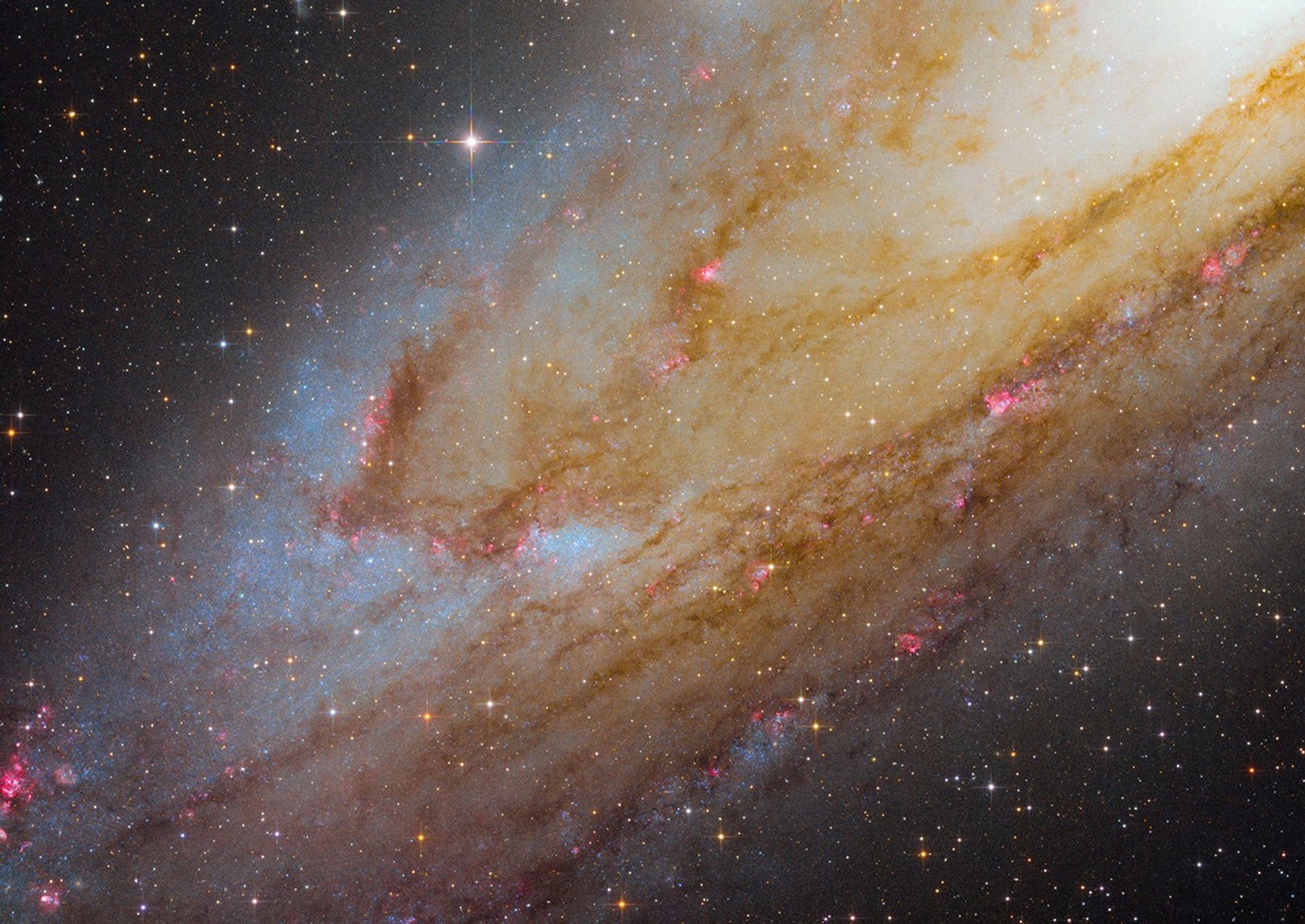
JWST captured NGC 206, a 12-million-year-old cluster of 1,200 massive stars in Andromeda, resolving individual stars previously blurred by Hubble. This precision allows astronomers to map the cluster’s age...
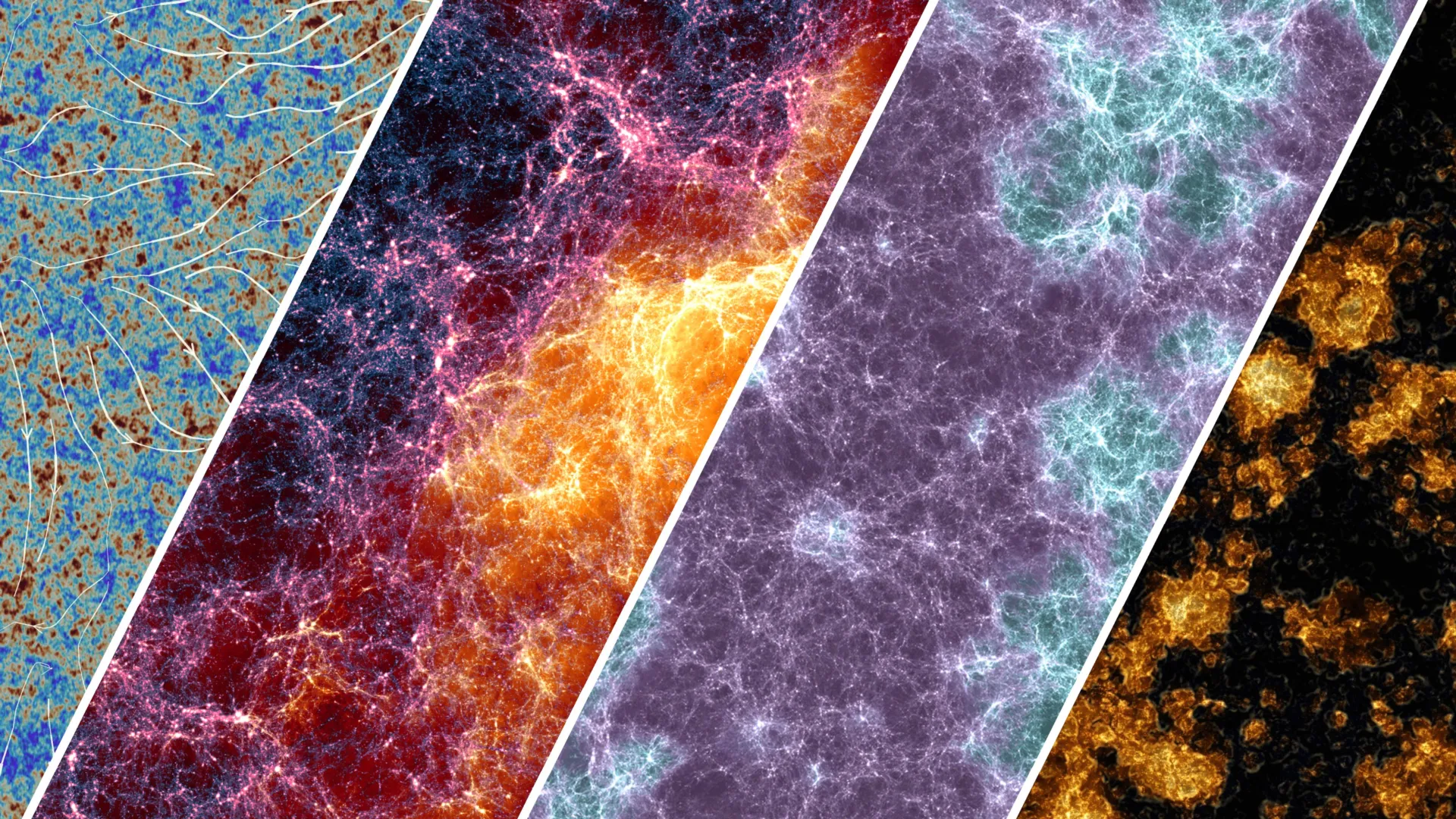
A team of astronomers from the University of California, Berkeley, the Max Planck Institute for Astrophysics and the Harvard‑Smithsonian Center for Astrophysics has unveiled a new supercomputer simulation...
Astronomers have identified a potentially rare supermassive neutron star about 9,000 light-years away, detected by its gravitational influence on nearby stars. If confirmed, this discovery could significantly...