Astronomers integrate data to create AI-powered supertelescope for universe exploration.
Astronomers are developing a virtual "supertelescope" by integrating data from three major telescope projects to improve our understanding of the universe using AI. This initiative addresses the chal…
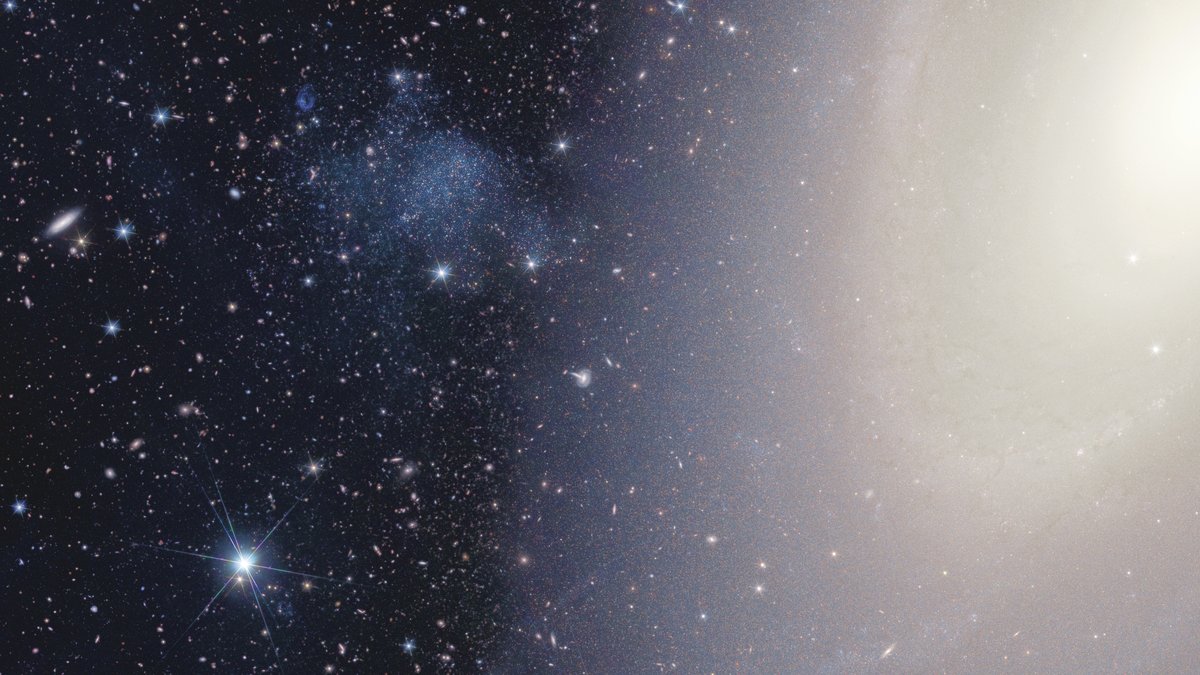
Astronomers are working to create a new "supertelescope" by merging data from three upcoming giant telescope surveys into a fourth virtual observatory. This ambitious project aims to enhance our understanding of the universe by leveraging advanced artificial intelligence and data analysis techniques. The initiative is set to launch in the next few years, with the first of the three telescope surveys expected to begin collecting data soon.
The need for this supertelescope arises from the growing demand for deeper insights into cosmic phenomena, such as dark matter, exoplanets, and the origins of the universe. Current telescopes provide valuable information, but the sheer volume of data generated makes it challenging to connect the dots. By combining efforts from the Vera C. Rubin Observatory, the European Space Agency's Euclid mission, and the NASA/ESA/CSA James Webb Space Telescope, astronomers hope to create a comprehensive view of the universe that no single observatory could achieve alone.
The virtual observatory will utilize AI algorithms to process and analyze the vast amounts of data collected from these telescopes. This technology will help identify patterns and anomalies, enabling researchers to make new discoveries more efficiently. The potential findings could reshape our understanding of fundamental questions in astrophysics and cosmology. For instance, the combined data could shed light on the nature of dark energy, which is believed to be driving the accelerated expansion of the universe.
Looking ahead, the success of this supertelescope project could lead to groundbreaking revelations about the universe. It represents a significant step forward in astronomical research, potentially paving the way for new theories and models in science. As the data from these giant telescopes begins to flow in, astronomers and astrophysicists are eager to see what secrets the universe holds and how this collective effort may transform our understanding of the cosmos.
Read Full Story at Scientific American →