Researchers analyze 257 black hole mergers, revealing stars may collapse without explosions.
Research indicates that massive stars may collapse into black holes without producing supernova explosions, based on the analysis of 257 black hole mergers detected by gravitational waves. This chall…
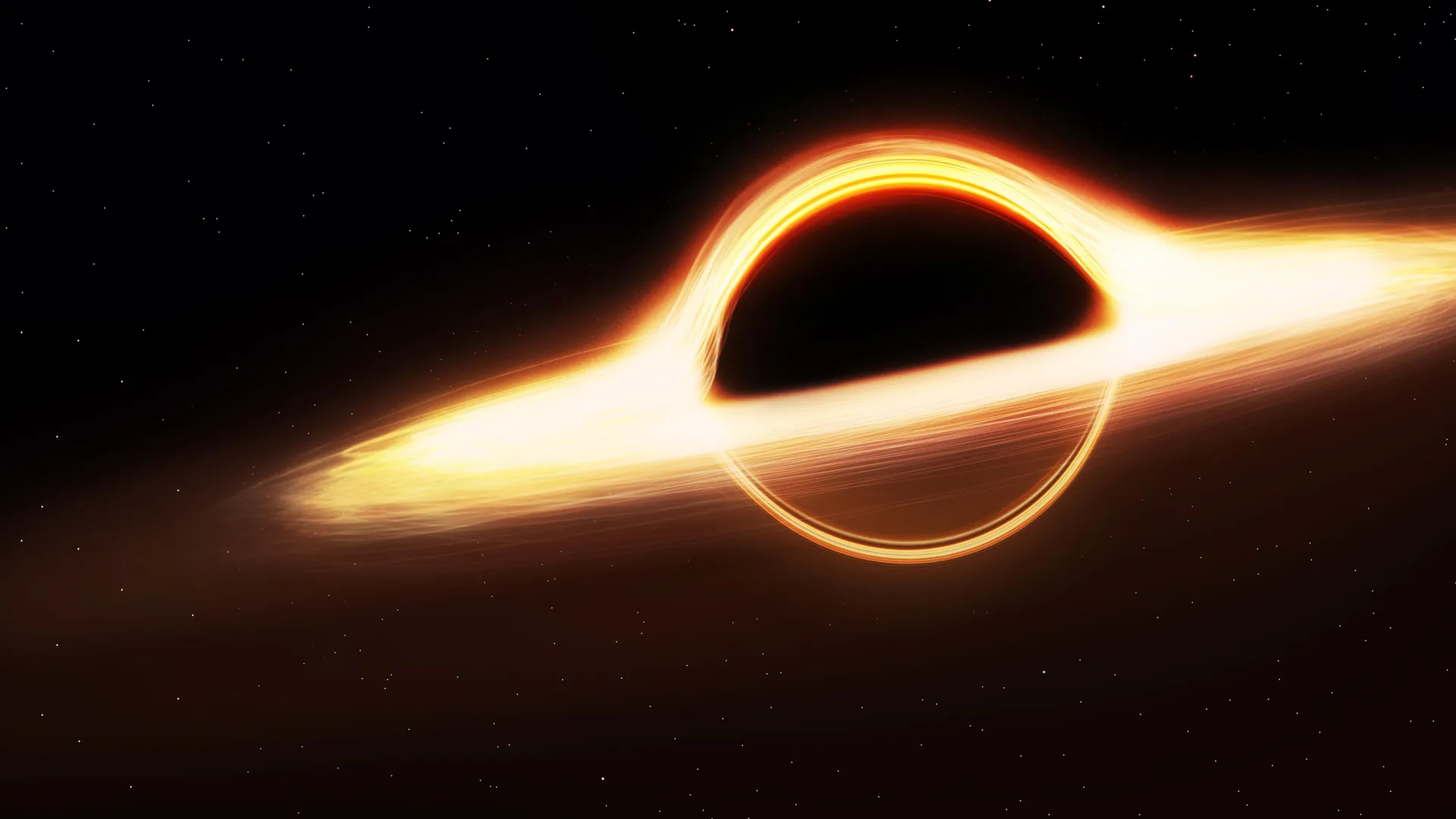
Massive stars may be quietly collapsing into black holes without ever producing the spectacular supernova explosions scientists typically expect. This finding comes from an analysis of 257 black hole mergers detected by gravitational wave observatories, which suggests that some stars may bypass the explosive phase entirely, leading to the formation of black holes that emerge silently.
This research is significant as it challenges long-held theories about stellar evolution and black hole formation. Traditionally, astronomers believed that massive stars end their life cycles in dramatic supernovae, which scatter their outer layers into space. However, the pattern observed in the mergers indicates that a substantial number of black holes could form from stars that simply collapse under their own gravity, avoiding the explosive display. This could account for a population of black holes that scientists have detected but could not explain, thereby reshaping our understanding of how black holes are born in the universe.
The implications of this discovery are profound. It suggests that the universe may be populated with more black holes than previously thought, many of which originated from these stealthy collapses. This could also impact our understanding of galaxy formation and evolution, as black holes play a crucial role in these processes. Further studies will likely focus on identifying the characteristics of these elusive black hole progenitors and determining how common this formation pathway is across different types of galaxies.
Going forward, researchers plan to use more advanced gravitational wave detectors to capture additional black hole mergers. They may also develop computer simulations to explore the dynamics of massive star evolution more accurately. Understanding the origins of black holes is essential to understanding the fundamental workings of the universe and could lead to groundbreaking insights in astrophysics.
Read Full Story at ScienceDaily →