Leatherback turtles nest in Ecuador, boosting survival amid climate change
The leatherback turtle, the world's largest sea turtle, is adapting to climate change by nesting in Ecuador's cooler coastline, showing increased nesting and hatching success. This shift could help t…
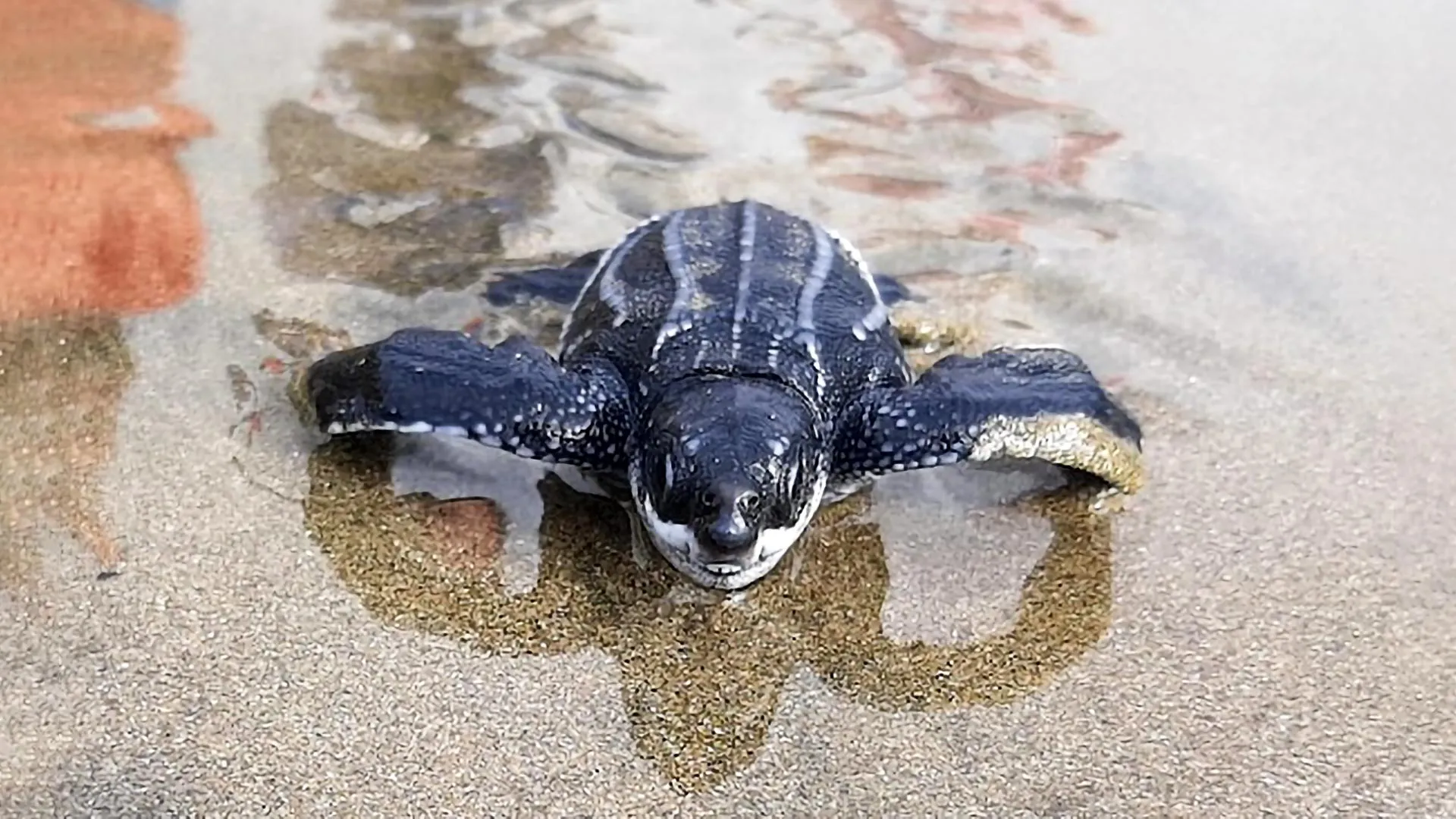
The world’s largest sea turtle, the leatherback, may be adapting to climate change by establishing new nesting grounds along Ecuador’s cooler coastline. Researchers have documented unprecedented nesting activity and promising hatching rates in this region, offering a rare glimmer of hope for a critically endangered population that has declined by more than 90% since the 1980s.
This shift in nesting behavior comes as rising ocean temperatures and habitat loss threaten leatherback turtles globally. Traditionally, these turtles nested in warmer areas, but as climate change accelerates, their usual habitats may become unsuitable. Increased ocean temperatures can lead to higher mortality rates in eggs and hatchlings, prompting the turtles to seek new environments. The discovery in Ecuador is significant because it highlights the species' potential for resilience in the face of environmental stressors.
In this study, researchers found that the cooler climate along Ecuador’s coastline not only supports increased nesting but also leads to higher hatching success rates. Leatherbacks can grow to over 2,000 pounds and play a crucial role in marine ecosystems, including maintaining jellyfish populations. The continued decline of this species poses risks not just to marine biodiversity but also to fishing communities that rely on healthy ocean ecosystems.
Looking ahead, conservation efforts are vital to protect these new nesting sites and monitor the population's recovery. Researchers emphasize the importance of understanding how climate change influences turtle behavior and habitat selection. If these adaptations succeed, it could signal a new chapter in the survival of the leatherback turtle, but it will require ongoing support and policy efforts to ensure their continued existence.
Read Full Story at ScienceDaily →