Tropical Cyclone Xavier strikes Vanuatu and Solomon Islands with 130 mph winds
Tropical Cyclone Xavier has made landfall in the Southwest Pacific, bringing 130 mph winds and heavy rainfall to Vanuatu and the Solomon Islands. This marks the start of a predicted active cyclone se…
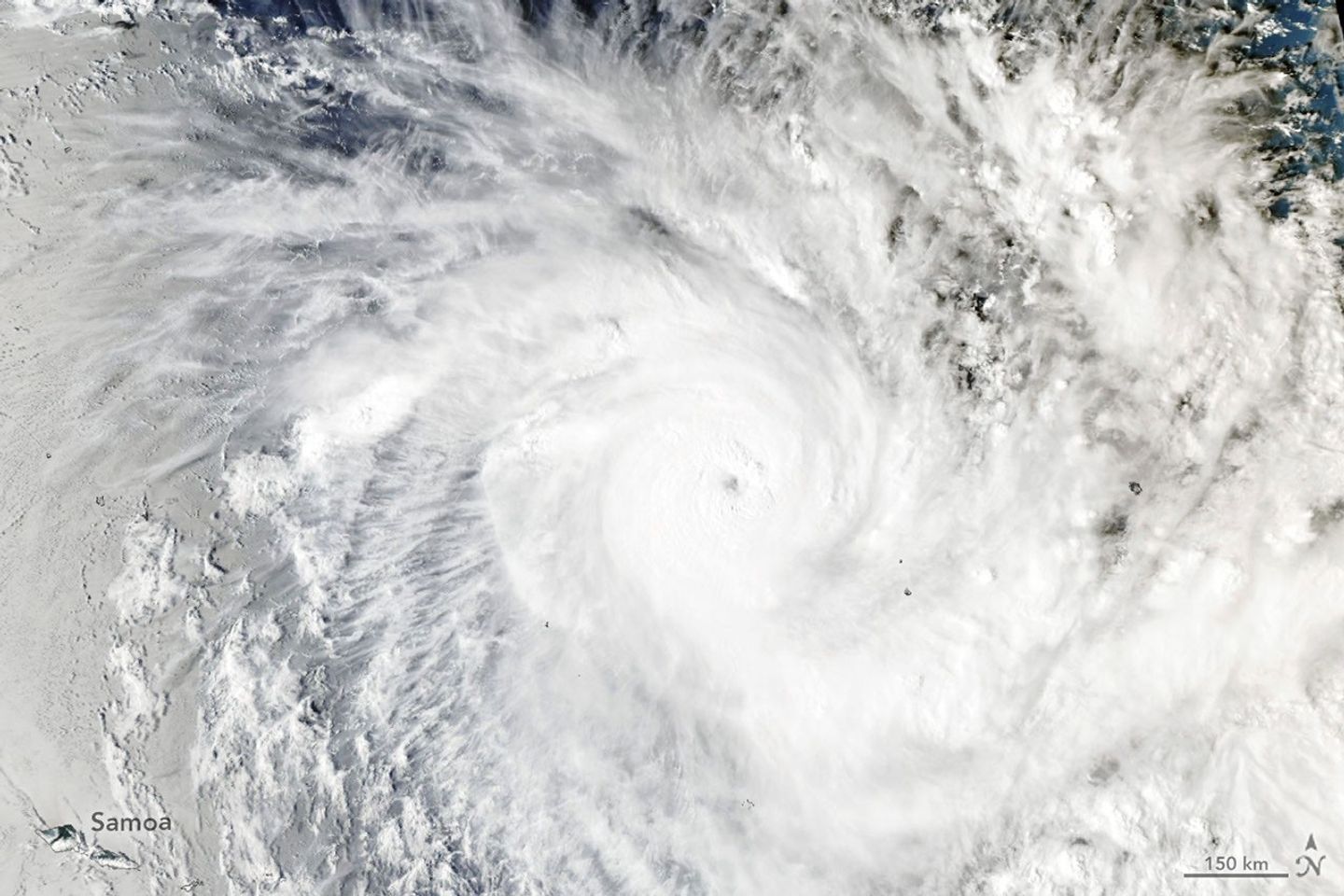
Tropical Cyclone Xavier has officially kicked off the storm season in the Southwest Pacific, making landfall on several islands over the weekend. The cyclone reached peak intensity with sustained winds of 130 miles per hour, impacting areas such as Vanuatu and the Solomon Islands. Authorities have issued warnings and prepared emergency protocols as Xavier brings heavy rainfall and storm surges.
This storm is particularly significant as it marks the beginning of what experts predict to be an active cyclone season. Following a year of unusually calm weather patterns, meteorologists have been monitoring ocean temperatures and atmospheric conditions that suggest a shift. The warmer sea surface temperatures in the Pacific Ocean, a result of climate change, fuel the intensity and frequency of cyclones. The Pacific Islands are often vulnerable to these storms, both economically and environmentally, making timely preparedness crucial.
As Xavier continues its path, local governments and international aid organizations are mobilizing resources to mitigate damage and assist affected communities. In Vanuatu, schools and shelters are being used to house evacuees. In the Solomon Islands, reports indicate that infrastructure, including roads and communication lines, has already been impacted. The full extent of the damage will likely take days to assess as recovery efforts begin.
Looking ahead, meteorologists warn that the conditions driving Cyclone Xavier could lead to more storms this season, potentially impacting the broader region. Communities are advised to stay alert and prepared as the cyclone season unfolds. The impacts of these storms not only threaten lives but also disrupt local economies and ecosystems, making the stakes particularly high for island nations in the Southwest Pacific.
Read Full Story at NASA →