BREAKING
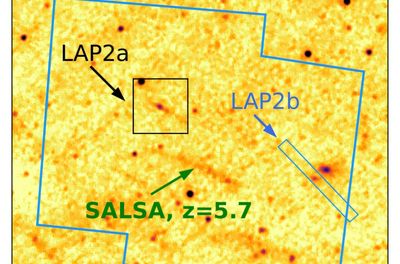
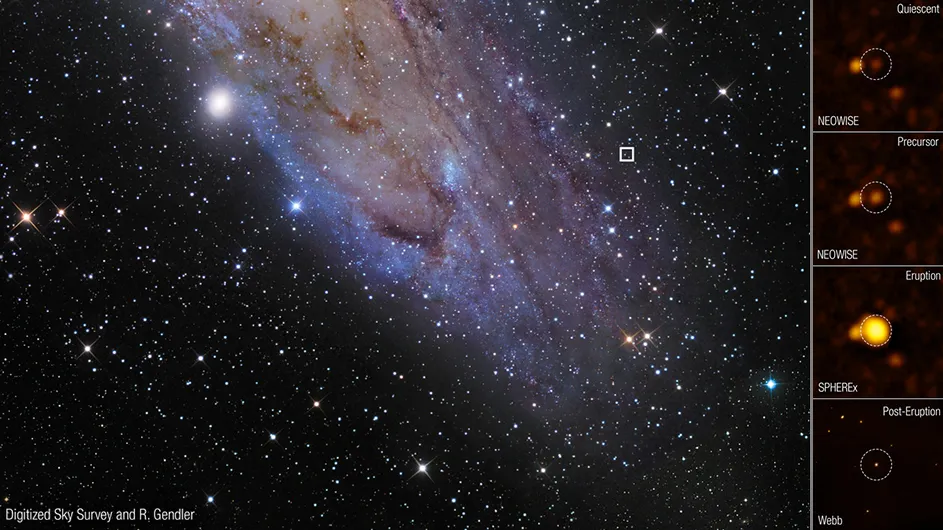
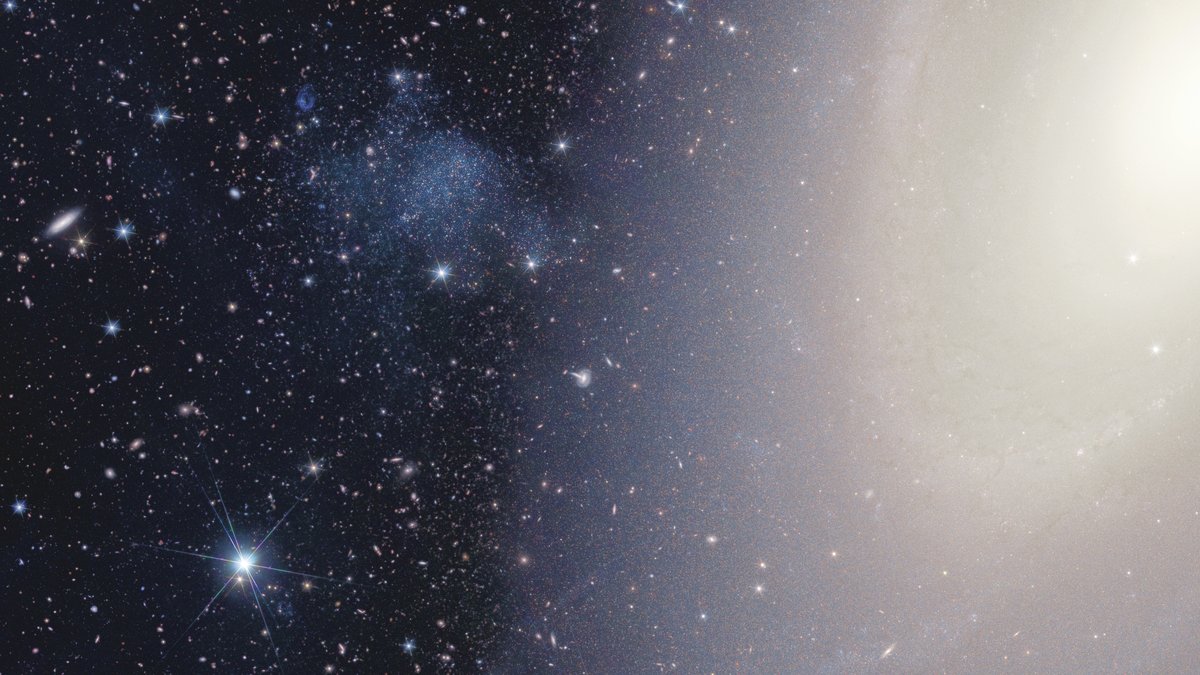
Astronomers use JWST to analyze metal-poor galaxy LAP2's oxygen levels•Physicists trap positron, advancing understanding of matter-antimatter asymmetry•CNBC leads financial news with focus on Nvidia and AI startups•Researchers analyze 257 black hole mergers, revealing stars may collapse without explosions.•Scientists test multiple flows of time using advanced atomic clocks•Astronomers observe massive star consuming neighbor before supernova explosion•Astronomers integrate data to create AI-powered supertelescope for universe exploration.•Scientists discover symmetry break in early universe after Big Bang•






Around the world
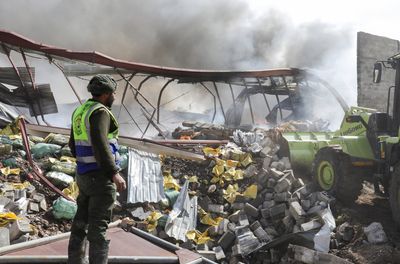
Middle EastYemen government forces kill 121 Houthis amid worsening hunger crisis

EuropeSonos discounts flagship speakers up to 34% for Black Friday 2026

AsiaSudip Sharma's 'Pushpak Vimaan' features Barun Sobti, Abhishek Banerjee on Netflix
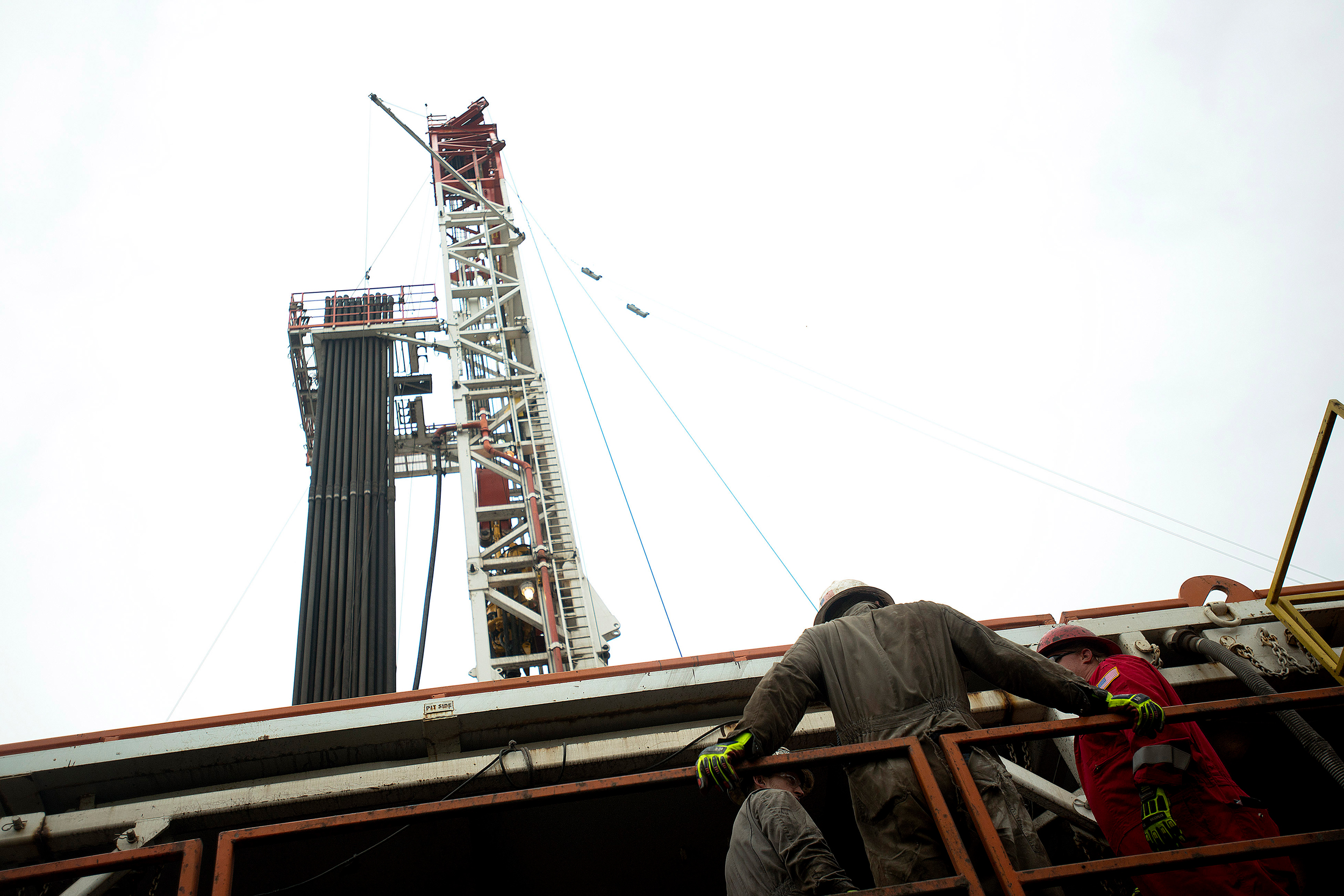
AmericasTerry Engelder's research sparks Pennsylvania fracking boom, raises environmental concerns

AfricaDiarrhea outbreak in Libreville, Gabon, spikes hospital admissions for children
Religion and culture
Menu
Quickyla Pulse by AZRS
NewsRadioSearchSavedAZRS home