Study reveals microplastics pose serious health risks to humans
A landmark study published in
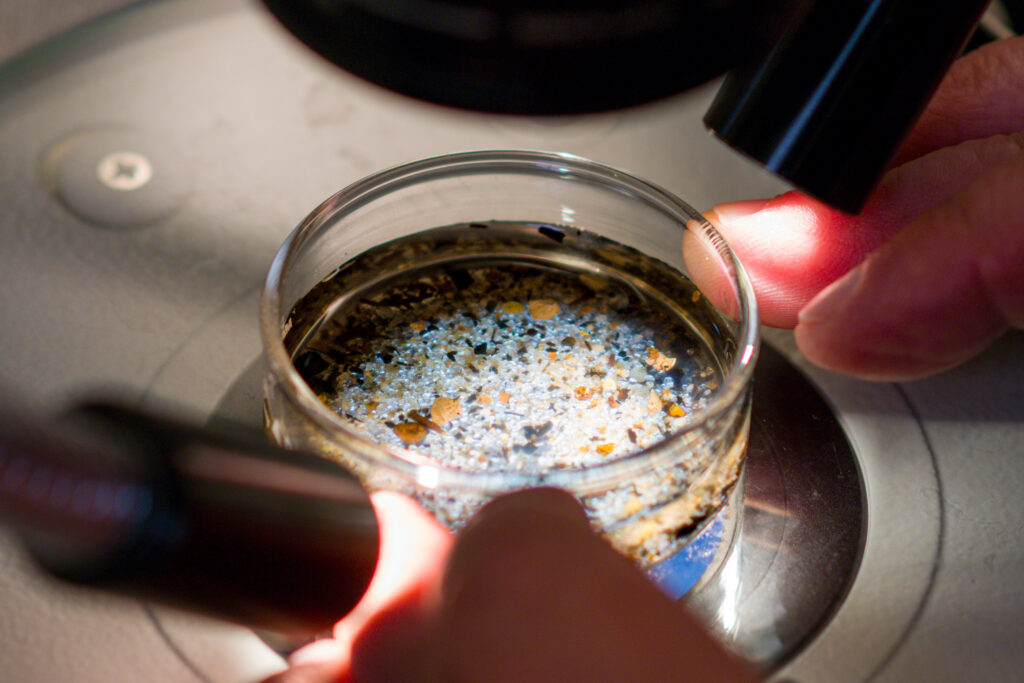
Scientists from a multinational research team announced on Tuesday that microplastics are linked to a range of health problems, including inflammation, hormone disruption and reduced fertility, after analyzing blood, placenta and lung samples from more than 1,000 volunteers across Europe, North America and Asia. The study, published in the journal *Nature Medicine*, marks the first large‑scale effort to connect the tiny particles to measurable changes in human biology.
Plastics have been used in everything from food wrappers to medical devices because they were thought to be chemically inert. That belief has eroded as researchers discovered that plastic breaks down into fragments as small as a few micrometres, known as microplastics, which can be inhaled, swallowed or absorbed through the skin. Global production of plastic now exceeds 400 million tonnes a year, and waste management systems struggle to keep pace, releasing billions of particles into air, water and soil each year.
The new research found microplastic particles in 81 percent of blood samples and in 100 percent of placental tissue examined. Laboratory tests showed that the particles trigger immune cells to release inflammatory chemicals, a response that can damage organs over time. In addition, many particles carried additives such as bisphenol A, phthalates and flame retardants, which are known endocrine disruptors. Epidemiologists in the study reported higher rates of thyroid disorders and reduced sperm counts among participants with the highest microplastic loads. The findings echo earlier work that linked microplastics to gut microbiome changes and respiratory irritation.
Health agencies are now calling for tighter regulation of plastic waste and more funding for exposure studies. The European Union plans to tighten limits on single‑use plastics and require manufacturers to label products that shed microfibers. In the United States, the EPA has opened a public comment period on a draft rule to monitor microplastic levels in drinking water. Researchers say the next step is to develop reliable testing methods for everyday exposure and to explore ways to remove particles from the body before they cause lasting harm.
Read Full Story at Inside Climate News →