5% of U.S. adults face seasonal affective disorder; light therapy recommended
Seasonal affective disorder (SAD) affects about 5% of U.S. adults, particularly women and those in the Northern Hemisphere, causing symptoms like fatigue and depression during winter months. Light th…

Psychiatrist Dr. Norman Rosenthal, who first described seasonal affective disorder (SAD) in a 1984 study, says the condition still catches many people off guard each year as daylight wanes, and experts warn that up to one in 20 Americans may be struggling with it as winter approaches.
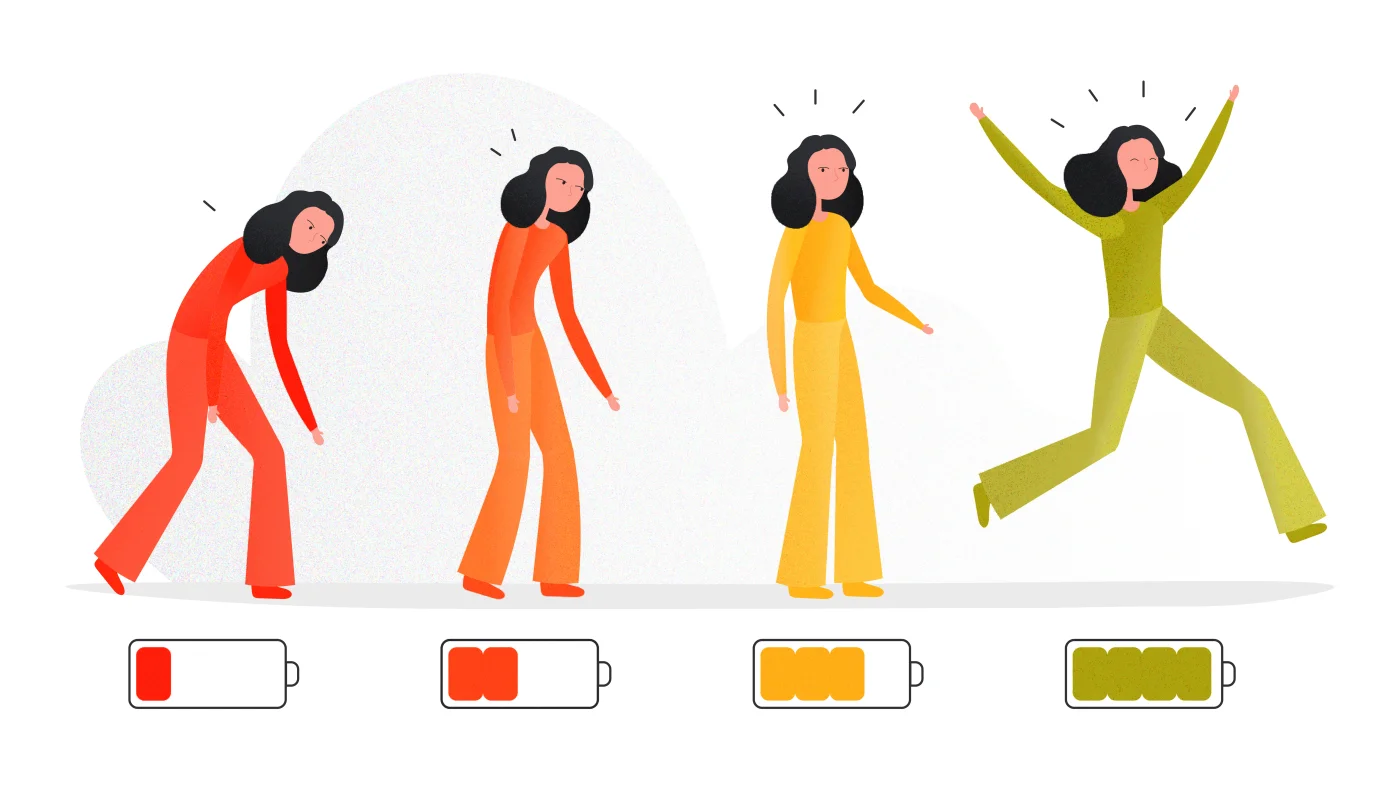
Rosenthal’s research began after he moved from South Africa to the United States in 1976 and noticed his own energy dip during harsh winters. He observed that others “became depressed on schedule,” with symptoms easing when spring arrived. The American Psychiatric Association now estimates that roughly 5 percent of U.S. adults experience SAD, which typically lasts about 40 percent of the year. Women are four times more likely than men to develop the disorder, and it is most common in the Northern Hemisphere where daylight hours shrink dramatically in the fall. Symptoms range from sluggishness, oversleeping, and overeating to a loss of interest in activities that once brought joy. A milder version, often called the “winter blues,” affects many more people but does not reach the same level of impairment.
Because the condition creeps in gradually, sufferers may not notice the pattern until it has progressed. Rosenthal likens it to a frog in warming water that fails to recognize the danger. He says patients often describe feeling like a bear preparing to hibernate, a vivid metaphor that signals the need for medical attention. Light therapy is the most widely recommended treatment. Special SAD lamps emit about 10,000 lux—far brighter than typical indoor lighting—and must be positioned so the light shines down into the eyes, mimicking natural sunlight. The therapy is most effective in the morning, with 20 to 30 minutes of exposure daily enough to reset circadian rhythms for many users.
Health professionals advise anyone who notices a seasonal dip in mood, energy, or appetite to track symptoms and consult a doctor before the pattern worsens. Early diagnosis can prevent the condition from becoming debilitating and may open the door to additional interventions such as psychotherapy or medication. As daylight hours continue to shrink, awareness and timely treatment remain the best defenses against the hidden toll of seasonal affective disorder.
Read Full Story at NPR Health →