Trump rolls back fuel economy standards to 34.9 mpg by 2031
The Trump administration is rolling back federal fuel economy standards to 34.9 miles per gallon for new vehicles by 2031, replacing the Biden administration's target of 50.4 miles per gallon. Critic…
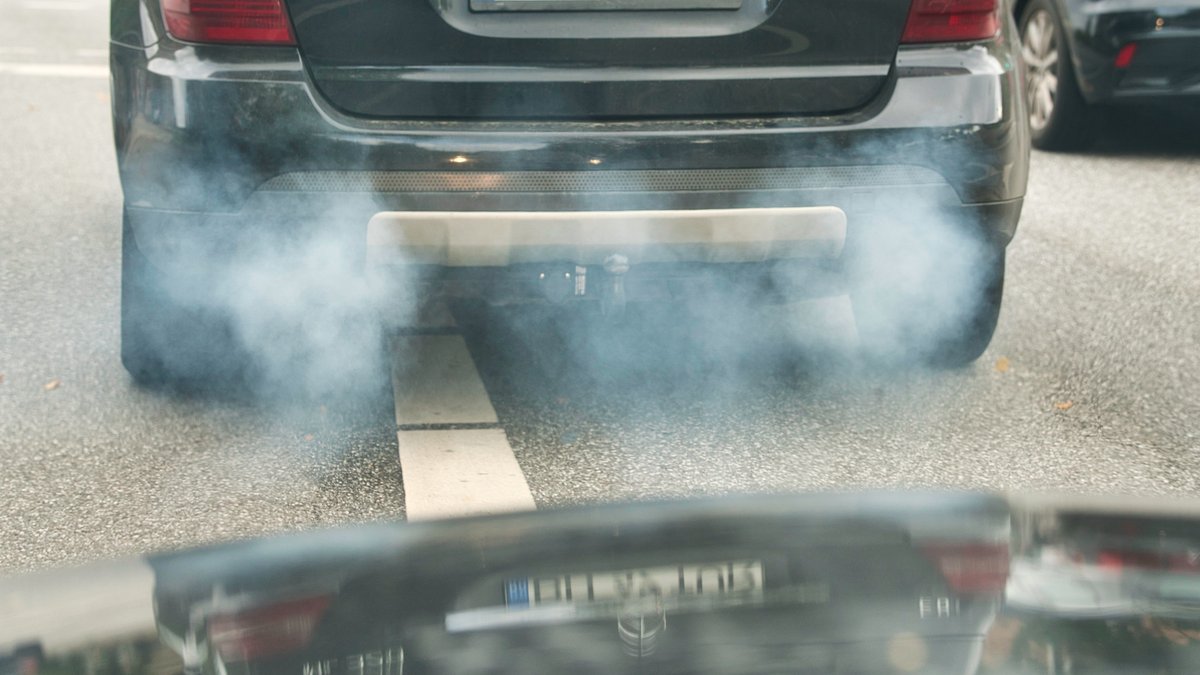
The Trump administration announced on Tuesday that it will roll back federal fuel‑economy standards for passenger cars and light trucks, setting a target of 34.9 miles per gallon for new vehicles by 2031. The change replaces the more aggressive goals outlined by the Biden administration, which aimed for an average of 50.4 miles per gallon for the same period. The rule applies to model years from 2022 through 2031 and allows a modest 1 percent increase in efficiency each year.
The move marks a sharp departure from five decades of tightening fuel‑efficiency policy that began with the 1975 Energy Policy and Conservation Act. In 1975 the average car managed just 13.1 miles per gallon; by 2024 that figure had risen to 35.4 miles per gallon. The Biden administration’s proposal would have pushed the average well above 50 miles per gallon by the end of the decade, a target now abandoned in favor of a lower ceiling.
Transportation Secretary Sean Duffy said the new rule will bring down vehicle prices, arguing that cheaper cars will let more families afford newer, safer models. National Highway Traffic Safety Administration chief Jonathan Morrison echoed the sentiment, noting that “newer cars are safer cars” and that relaxed standards give manufacturers more freedom to meet consumer demand. Environmental advocates, however, warn that the rollback will raise costs for drivers and increase pollution. Andy Su, a transportation lawyer with the Environmental Defense Fund, estimated that the reduced efficiency could cost each driver at least $1,600 over a vehicle’s lifetime and could spell a “disastrous future” for both the economy and the climate.
The revised standards will take effect for all new passenger cars and light trucks sold between 2022 and 2031. Critics say the policy will spur higher fuel consumption, undermine climate goals and erode decades of progress in vehicle efficiency. The administration argues the change restores market flexibility and keeps cars affordable for American families. Environmental groups have signaled they may pursue legal challenges, setting up a likely clash over the balance between cost, consumer choice and the nation’s emissions targets.
Read Full Story at Scientific American →