Study shows kimchi bacteria help mice expel nanoplastics from gut
Kimchi-derived bacteria can bind and help expel nanoplastics from the gut, as demonstrated in a study with mice that showed a significant increase in nanoplastic excretion. This research suggests tha…
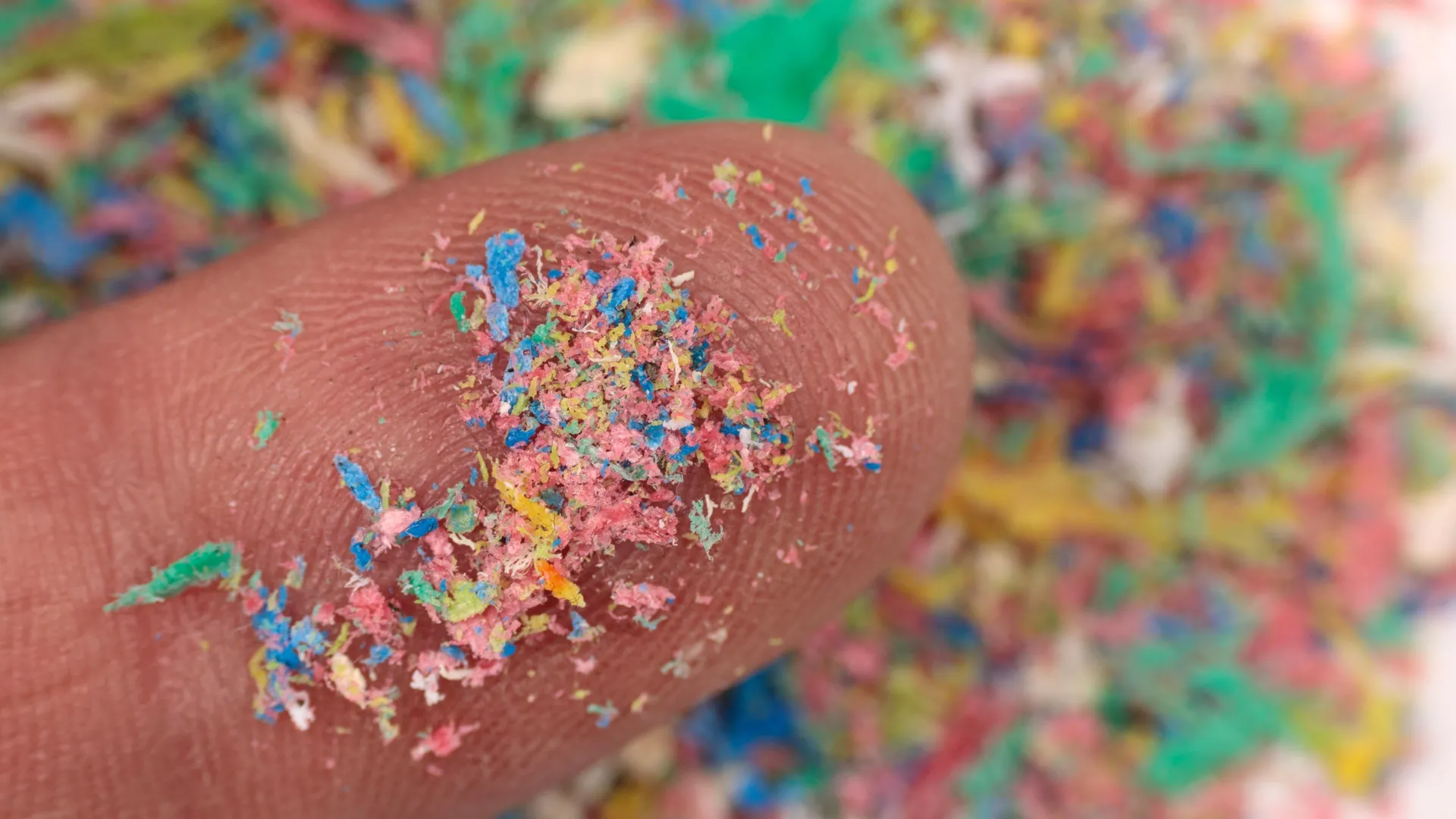
Kimchi‑derived bacteria can bind tiny plastic particles in the gut and help flush them out, a new study reports. In laboratory mice, a probiotic strain from fermented cabbage more than doubled the amount of nanoplastic found in feces, suggesting that microbes from everyday foods could be a simple way to reduce plastic load in the body.
Nanoplastics—particles less than 100 nanometers in size—enter the human body through food, drink, and the air we breathe. Their tiny size lets them cross cell barriers, and early research links them to inflammation, metabolic disruption and organ damage. Because plastic pollution is rising and the health effects of nanoplastics are still poorly understood, scientists are looking for ways to limit exposure and accelerate removal from the body.
The researchers grew the kimchi bacterium, Lactobacillus plantarum, in conditions that mimic the human gut. They then introduced polystyrene nanospheres, a common type of plastic, and measured how much was excreted in mouse stool. The probiotic coated the plastic particles with a protein shell that prevented absorption and increased their passage through the intestinal tract. The effect was clear: mice given the bacteria shed twice as many nanoplastics as controls, indicating a potential gut‑cleaning mechanism that works without harming the host.
Next steps include testing the probiotic in humans and evaluating its safety over long periods. Scientists are also screening other fermented foods—yogurt, kimchi, kombucha—for similar plastic‑binding strains. If the effect translates to people, it could lead to low‑cost probiotic supplements designed to reduce plastic burden. Regulators will need to assess the safety of introducing engineered or enriched microbes into the diet, but the early results point to a novel, natural strategy for tackling a growing environmental health problem.
Read Full Story at ScienceDaily →