Ifremer's Deep-6000 drones to monitor 98% of oceans by 2028
French ocean agency Ifremer's Deep‑6000 autonomous floats are set to expand the global Argo fleet, enabling coverage of over 98% of the world's oceans by 2028. This will provide critical data on deep…
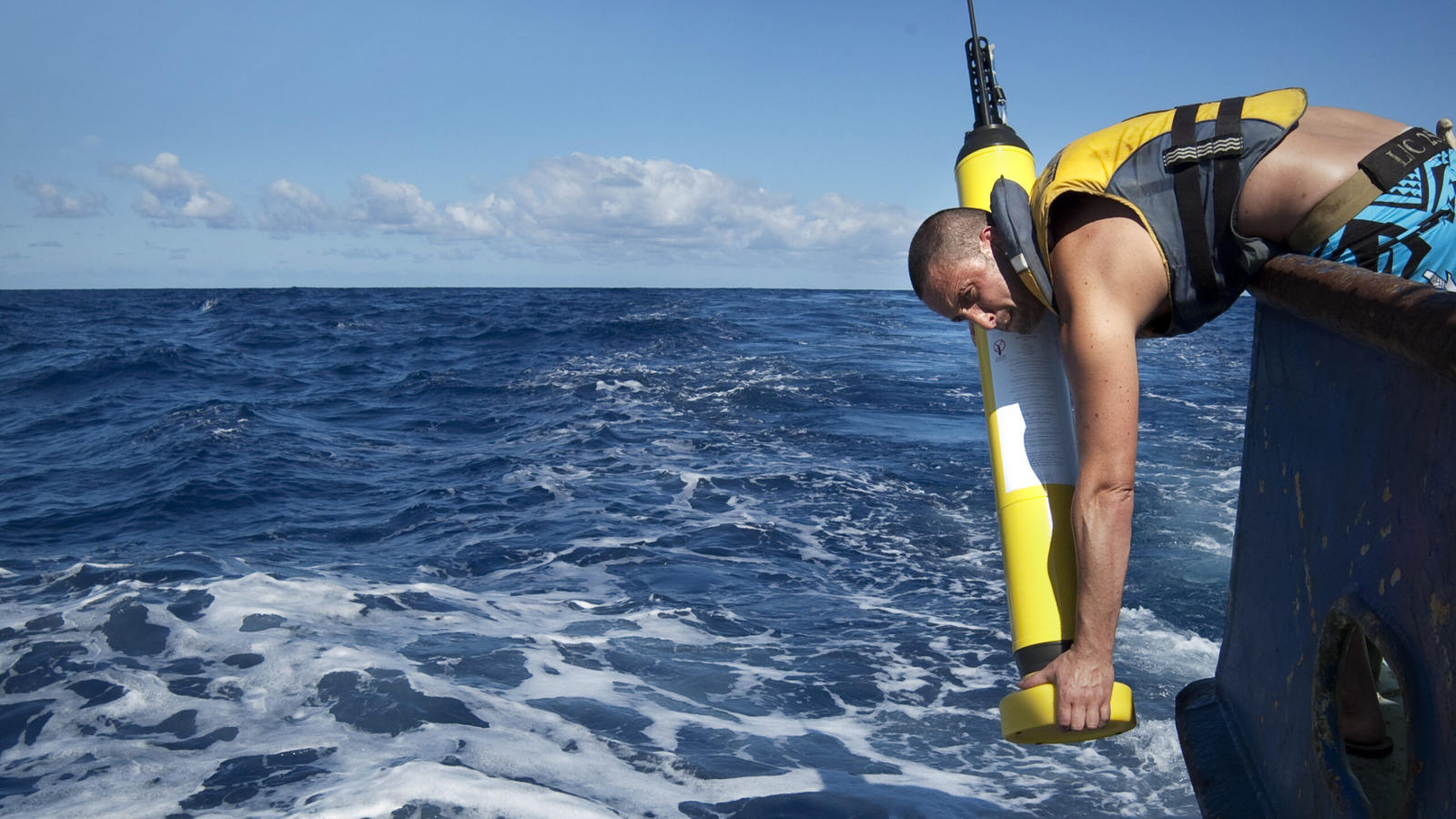
French ocean agency Ifremer announced that its Deep‑6000 autonomous floats have completed five test dives to 6,000 metres this year, and that a further 30 deep‑sea units will join the global Argo fleet by 2028. The expansion is expected to bring coverage of more than 98 percent of the world’s ocean volume within the next five years, closing a major blind spot in climate monitoring.
The Argo programme, launched in 1999, already operates about 4,000 profiling floats that drift at depths of 2,000‑4,000 metres and relay temperature, salinity and pressure data via satellite. Those devices capture most of the ocean’s upper layers, but roughly 10 percent of warming occurs below their reach, leaving the abyssal zone largely unmeasured. As climate change accelerates, scientists need reliable data from the deep ocean to refine models of heat uptake and sea‑level rise.
Ifremer’s Deep‑6000 prototypes weigh 88 pounds, roughly twice a standard Argo float, and are built from composite hulls designed to survive pressures of 600 atmospheres. Each unit can operate autonomously for up to seven years, cycling through ten‑day missions that include a nine‑day drift at a chosen depth, a three‑hour profiling descent, and a surface transmission of data. The United States currently runs more than 100 deep‑sea floats and China operates over thirty, making France the third nation to field such capability. The new fleet will boost the proportion of the ocean that has been directly sampled from under five percent to nearly complete coverage.
The rollout will give researchers a continuous, global view of temperature and chemistry in the deepest parts of the sea, improving forecasts of climate impacts and informing policy decisions. With the pressure‑resistant technology now proven, the next step is to mass‑produce the floats and integrate their data streams into existing ocean‑monitoring networks. By the end of the decade, scientists expect a far clearer picture of how the planet’s largest carbon sink is responding to a warming world.
Read Full Story at Engadget →