Google ships Android XR smartglasses to developers for $1,099 each
Google has started shipping its Android XR smartglasses to developers and early-access customers, designed for enterprise use and priced at $1,099. This launch aims to address previous shortcomings i…
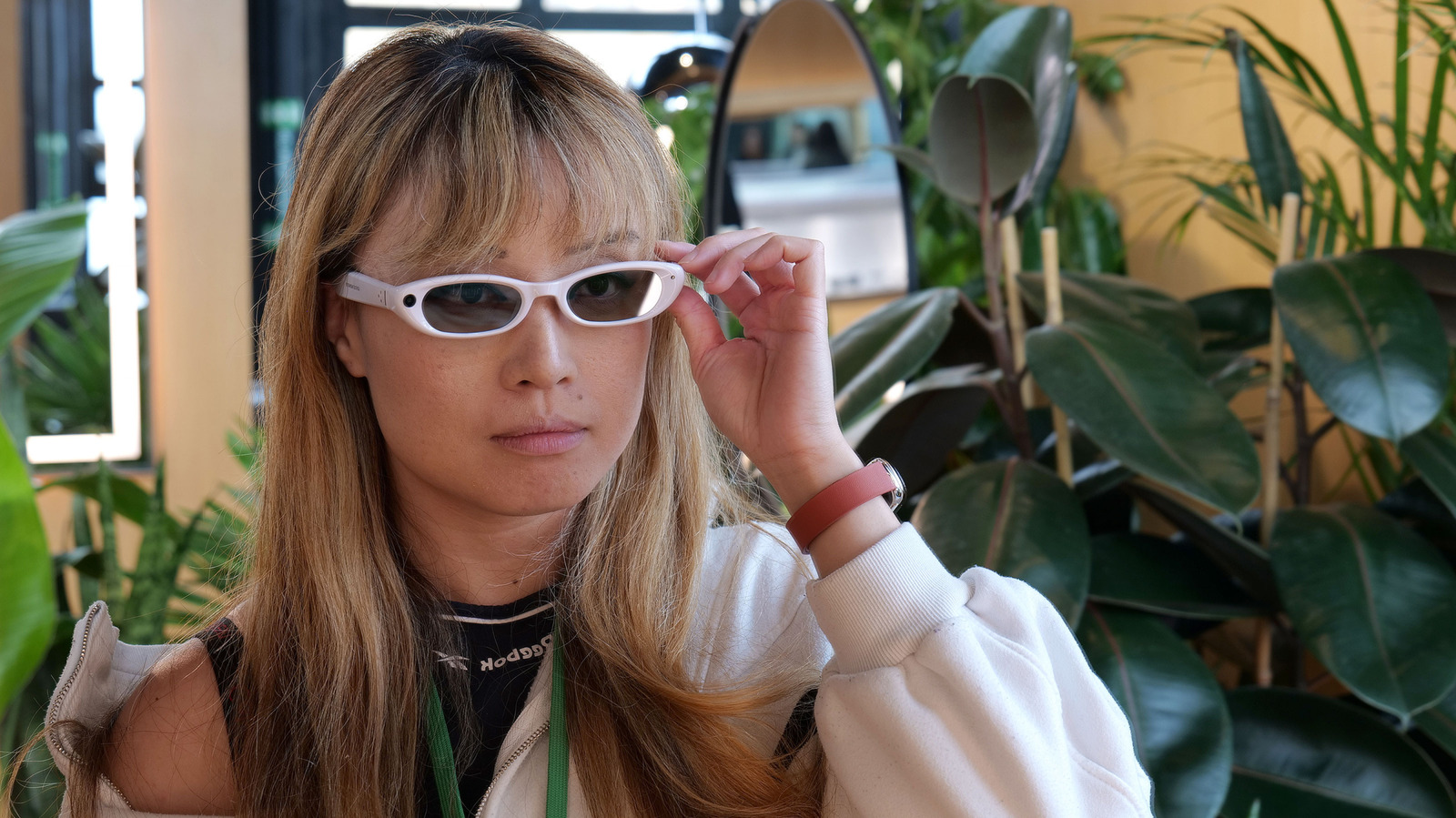
Google has begun shipping its first batch of Android XR smartglasses to developers and early‑access customers, marking the company’s most public step yet into wearable mixed reality. The devices arrived this week in the United States and select European markets, and they run on a customized version of Android that lets apps blend digital content with the real world. Google says the glasses are intended for enterprise use, education and limited consumer trials, and they are priced at $1,099 for the base model.
The launch comes after years of stalled projects and missed deadlines in the AR headset space. Earlier attempts by Google, such as the Google Glass Explorer Edition, faltered because the devices lacked a compelling display and offered limited functionality. Industry analysts have argued that the market has been waiting for a product that balances form factor, battery life and a usable visual interface. By focusing on an “XR‑first” approach—supporting both augmented and virtual reality—Google hopes to address the criticism that previous wearables were more novelty than tool. The move also aligns with a broader surge in corporate investment in mixed reality for training, remote assistance and design collaboration, as companies seek alternatives to traditional screens.
The new glasses feature dual 1080p micro‑LED displays, a Snapdragon XR2 processor, six cameras for depth sensing, and built‑in voice control. They support Google’s ARCore platform, allowing developers to port existing Android apps with minimal changes. Early testers report a comfortable fit and decent battery life of around four hours of active use. Google has opened a dedicated developer portal and promises regular software updates, aiming for a broader consumer rollout by mid‑2025. If the devices gain traction, they could reshape how businesses approach remote work and education, and they may finally prove that smartglasses can be more than a gimmick.
Read Full Story at Engadget →