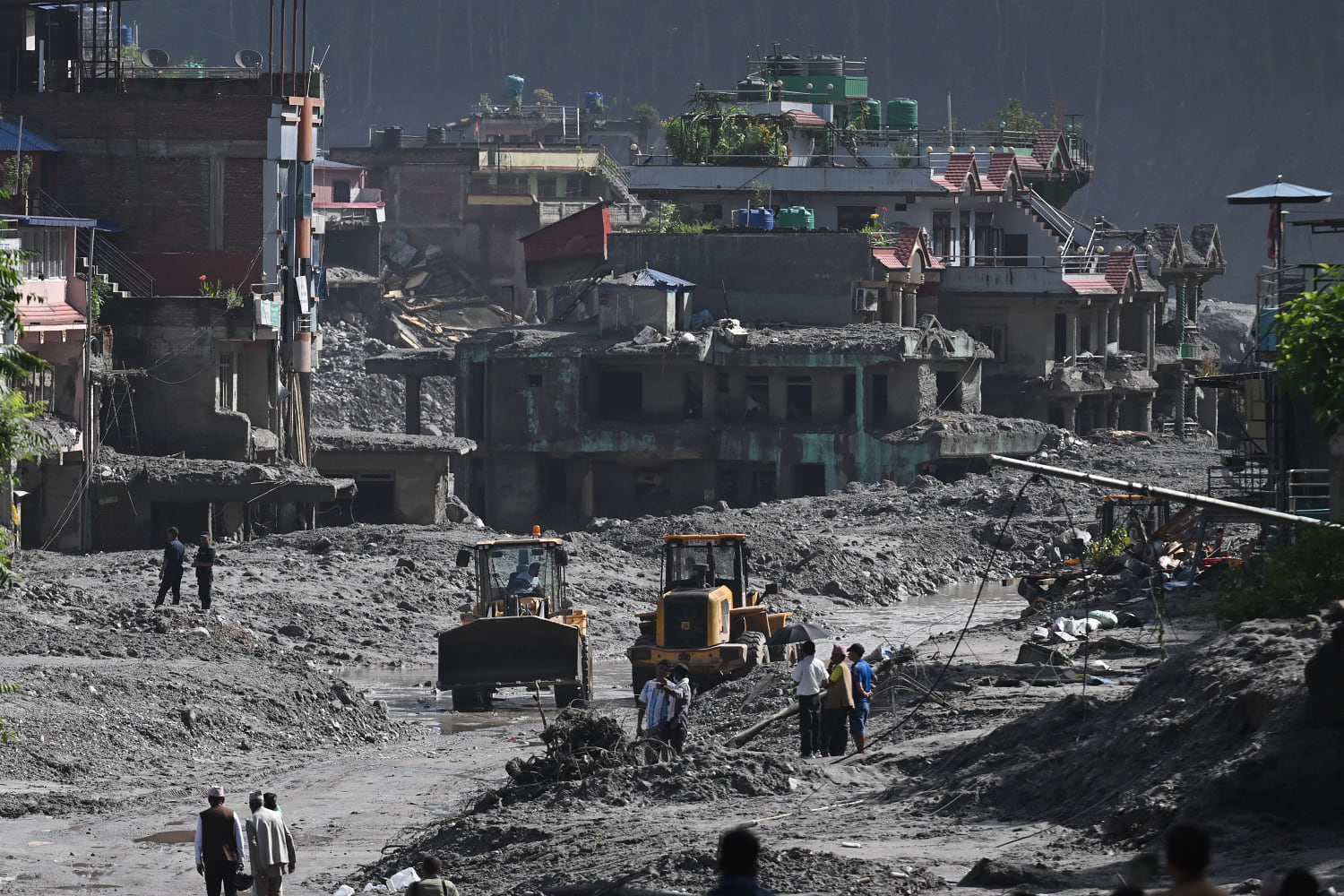
Colorado faces smallest winter wheat harvest since 1965 amid climate change
Climate change is severely impacting agriculture, with Colorado facing its smallest winter wheat harvest since 1965 due to extreme weather, which threatens food security and nutrition worldwide. Risi…
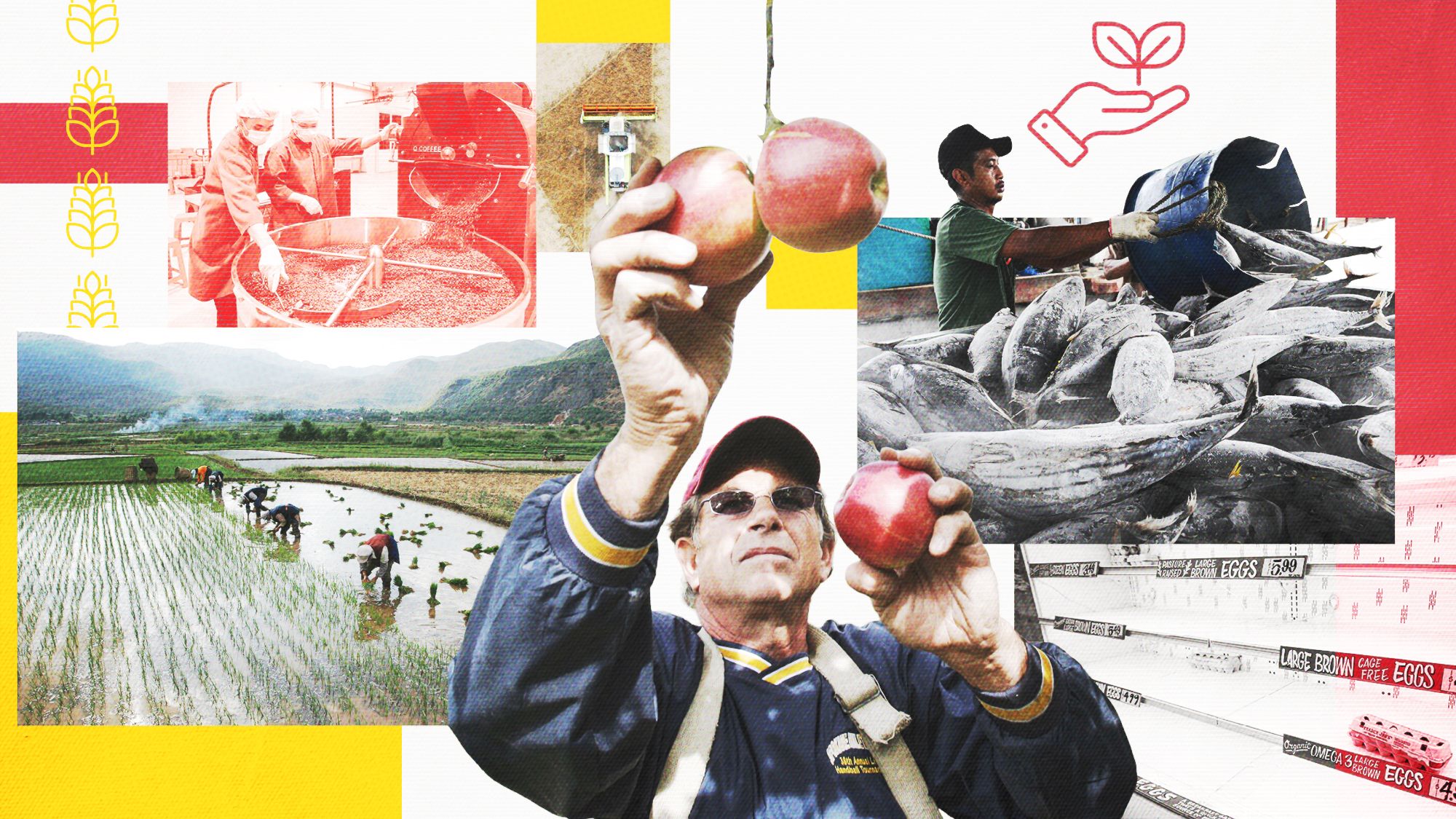
As climate change accelerates, the agricultural landscape is undergoing significant transformation, impacting the food we eat and our health. This shift is evident in Colorado, where a cold snap followed an unusually warm winter, leading to a staggering 73% of winter wheat crops being reported in poor condition this year. Experts predict that 2026 will see the smallest winter wheat harvest in Colorado since 1965, highlighting the severe unpredictability in crop yields.
The urgency of these changes is underscored by the broader effects of climate change on food systems worldwide. Extreme weather events are becoming increasingly common, threatening crop survival and nutrition. While developing countries are expected to bear the brunt of these challenges, the U.S. is not exempt. Food security concerns are rising, as agricultural experts warn of the potential for widespread nutritional deficiencies. "There are real food security and nutrition concerns," said Andrew Hultgren, an environmental economist at the University of Illinois, Urbana-Champaign, emphasizing the gravity of the situation.
Crops are becoming less nutritious as rising carbon dioxide levels affect their biological makeup. Research indicates that the average concentration of carbon dioxide in the atmosphere has surpassed 420 parts per million, a stark increase from the preindustrial level of 280 ppm. This rise is projected to reach at least 550 ppm by the century's end. The consequences are alarming: by 2050, an estimated 175 million more people will suffer from zinc deficiency, and 122 million will face protein deficiency. Such deficiencies can lead to serious health issues, particularly in children, including stunted growth and weakened immune systems.
Looking forward, the need for adaptive solutions is critical. As agricultural practices evolve to cope with these challenges, researchers are exploring ways to improve crop resilience and nutrition. However, experts caution that the path ahead will be fraught with difficulties. The impact of climate change on our food systems is not just a future concern; it is a present reality that demands immediate attention and action.
Read Full Story at Live Science →