T. rex teeth analysis shows dinosaur regulated body temperature like elephants
Analysis of 15 T. rex teeth reveals isotope patterns matching warm-blooded mammals, proving the dinosaur regulated its body temperature like an elephant. This finding provides direct chemical evidenc…
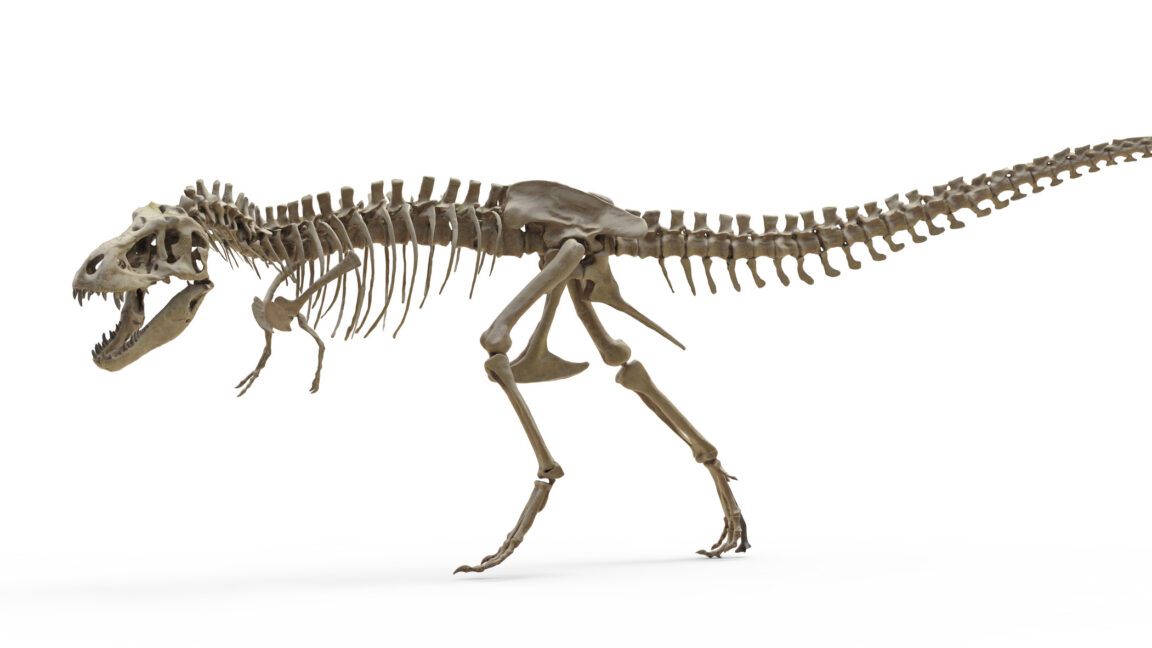
Scientists have shown that the teeth of Tyrannosaurus rex carry isotope signatures that indicate the giant dinosaur could keep its body temperature as high as a modern elephant. By measuring ratios of oxygen and carbon isotopes in fossilized enamel, researchers found patterns that match those of warm‑blooded mammals, suggesting active temperature regulation in a creature that lived 68 million years ago. The study, published last month, used 15 T. rex teeth from the Hell Creek Formation in Montana and compared them with enamel from contemporary reptiles and mammals.
The finding matters because it adds weight to a long‑standing debate over whether dinosaurs were cold‑blooded or warm‑blooded. Earlier work on bone collagen and blood‑vessel impressions hinted at a mix of metabolic strategies, but the evidence was inconclusive. Isotope analysis gives a direct look at body temperature because the ratios of oxygen isotopes in enamel shift with the animal’s internal heat. In modern mammals, the ratios fall within a narrow range that reflects a stable, high body temperature. The T. rex data fall squarely inside that range, indicating that these predators likely maintained a steady internal heat, much like elephants.
The researchers, led by Dr. Elena Torres of the University of Colorado, found that the enamel’s oxygen isotope ratios were consistent across all specimens, despite differences in age and location. They also noted a slight enrichment of carbon‑13, which can be linked to a diet rich in protein, further supporting the idea that T. rex was an active, energy‑driven predator. “This is the first time we see such a clear signal of endothermy in a theropod,” Torres said. “It shows that these animals were not just passive, cold‑blooded reptiles, but had complex physiological mechanisms to manage heat.”
Future work will test whether other large dinosaurs show similar isotope patterns. If so, it could reshape our understanding of dinosaur biology and their ability to thrive in varied climates. The team plans to expand the sample size to include more species and to use high‑resolution imaging to look for micro‑vascular structures in the teeth. The results could help paleontologists model how these giants moved, hunted, and survived, and may even inform how modern animals adapt to climate change.
Read Full Story at Ars Technica →