NASA captures star trails over Banda Sea from ISS.
NASA's long-exposure photograph from the International Space Station captures star trails above the Banda Sea, revealing the dynamic interaction between natural and human-made lights. This image aids…
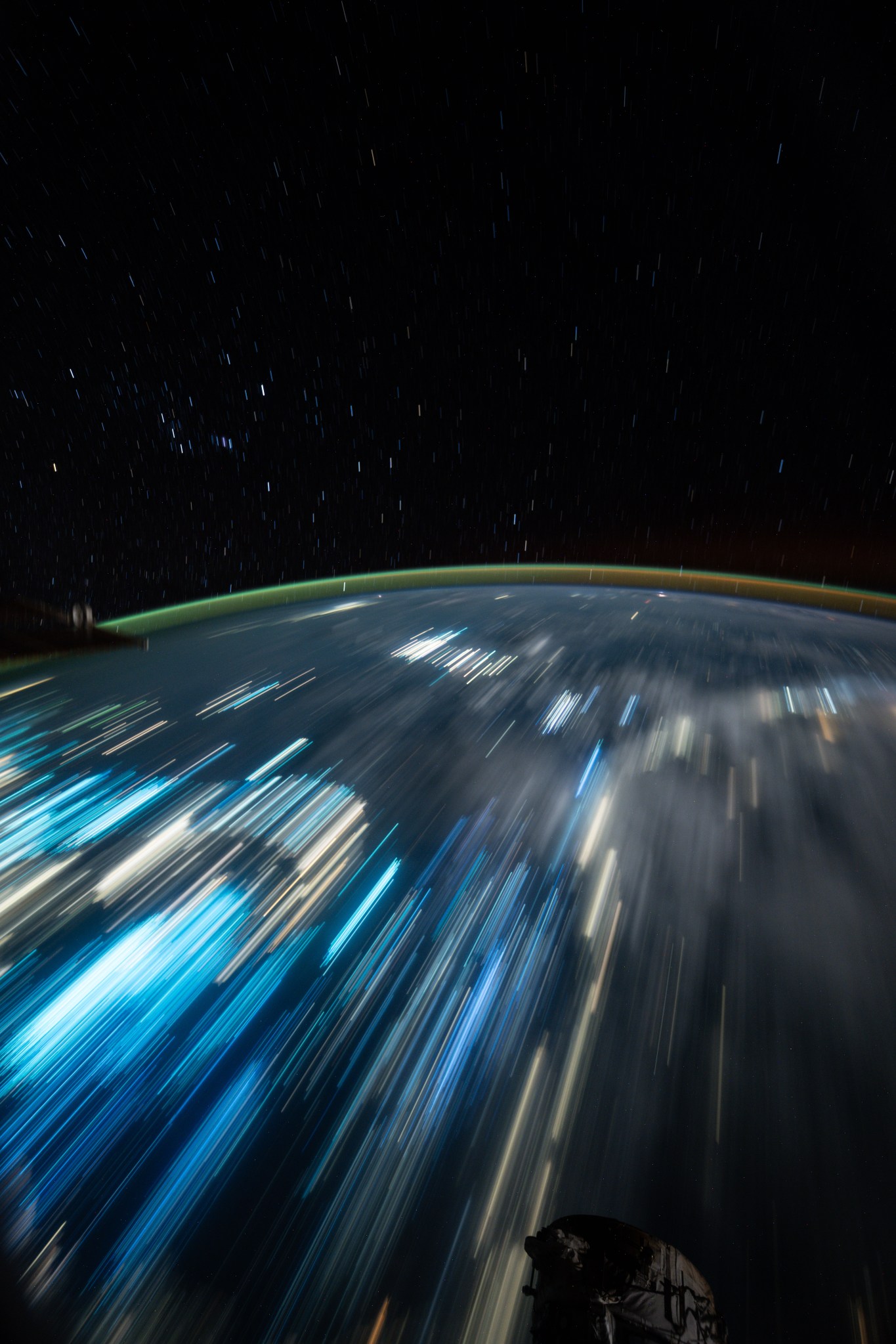
NASA released a striking long‑exposure photograph taken from the International Space Station on Sept. 20, 2026, showing vivid star trails arcing above the Banda Sea while the blue glows of fishing vessels and the yellow lights of Indonesian cities stretch below the orbiting platform at 258 miles altitude. The image, captured by astronaut Anil Menon, highlights the dynamic interplay of natural and human‑made light sources from low Earth orbit.
The shot comes as scientists intensify efforts to map Earth’s night‑time illumination, a key indicator of economic activity, energy use and light‑pollution trends. Satellite‑borne cameras have long recorded city lights, but the ISS’s unique perspective offers higher resolution and a more intimate view of coastal and maritime zones. Indonesia’s archipelago, home to some of the world’s busiest fishing grounds, provides a test case for monitoring vessel activity and assessing the environmental impact of night‑time fishing fleets.
In the photograph, the star trails reveal the ISS’s 92‑minute orbital path, while the blue specks trace the routes of thousands of fishing boats that rely on artificial lighting to attract catch. The yellow clusters mark the densely populated urban centers of Sulawesi and the Maluku Islands. Researchers at NASA’s Goddard Space Flight Center say the image will help refine algorithms that differentiate between static city lights and moving maritime vessels, improving real‑time tracking of illegal, unreported and unregulated (IUU) fishing. The visual also underscores the growing concern over light pollution, which can disrupt marine ecosystems and obscure astronomical observations.
NASA plans to integrate the data from this and similar ISS photographs into its broader Earth‑observing program, sharing processed imagery with the European Space Agency and regional authorities. The agency will release a detailed analysis later this year, aiming to inform policy on sustainable fishing practices and urban lighting standards. Public outreach efforts will use the striking visual to raise awareness of how human activity lights up the night, reminding viewers that the same glow that powers economies also poses environmental challenges.
Read Full Story at NASA →