New trick could reveal text on 2,000-year-old scrolls charred by eruption of Mount Vesuvius
The long-lost words of ancient philosophers may finally be revealed nearly 2,000 years after the violent eruption of Mount Vesuvius scorched and buried them, thanks to a heavy metal that was used in …
The long-lost words of ancient philosophers may finally be revealed nearly 2,000 years after the violent eruption of Mount Vesuvius scorched and buried them, thanks to a heavy metal that was used in the ink that penned them, a new study finds.
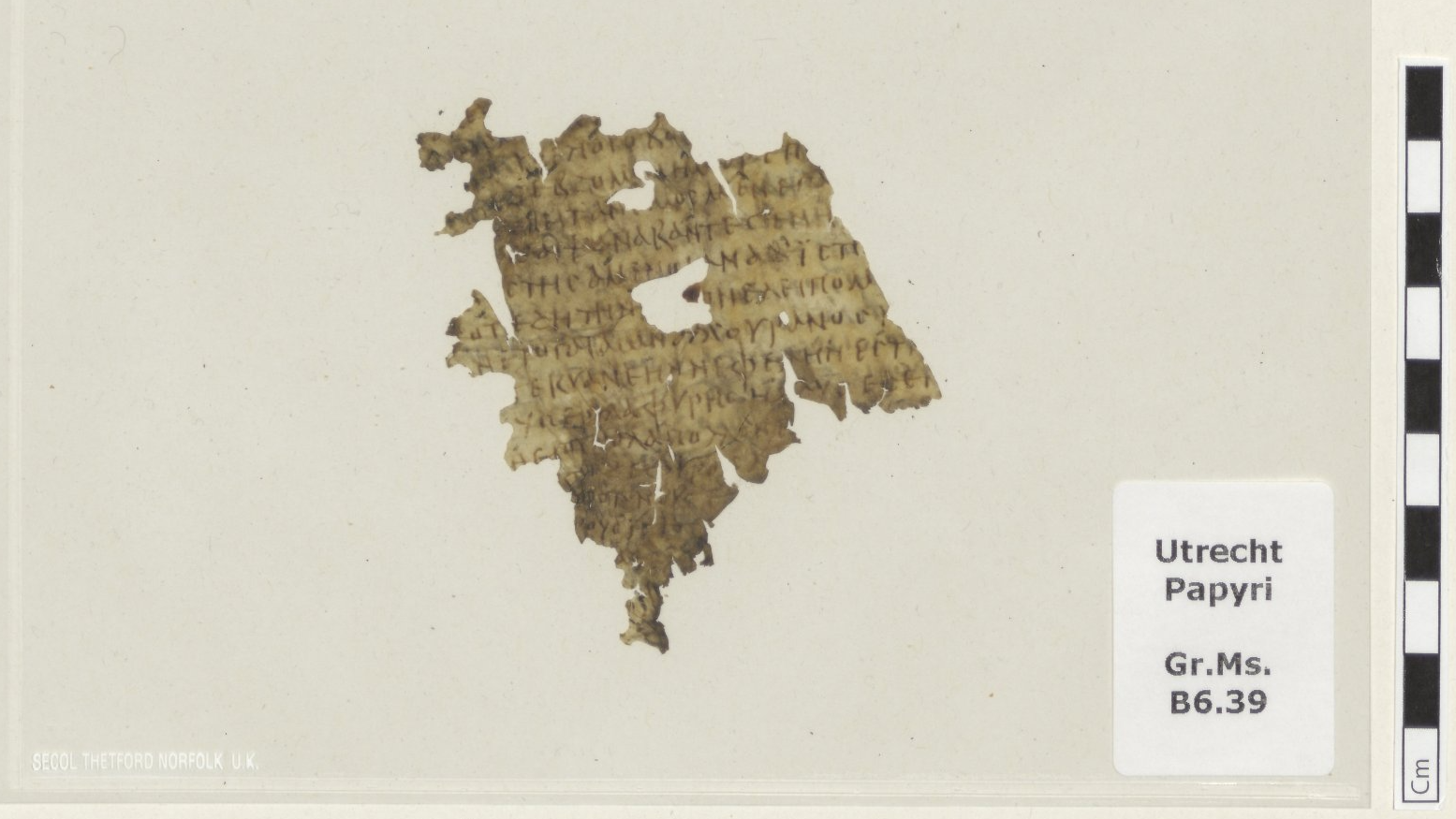
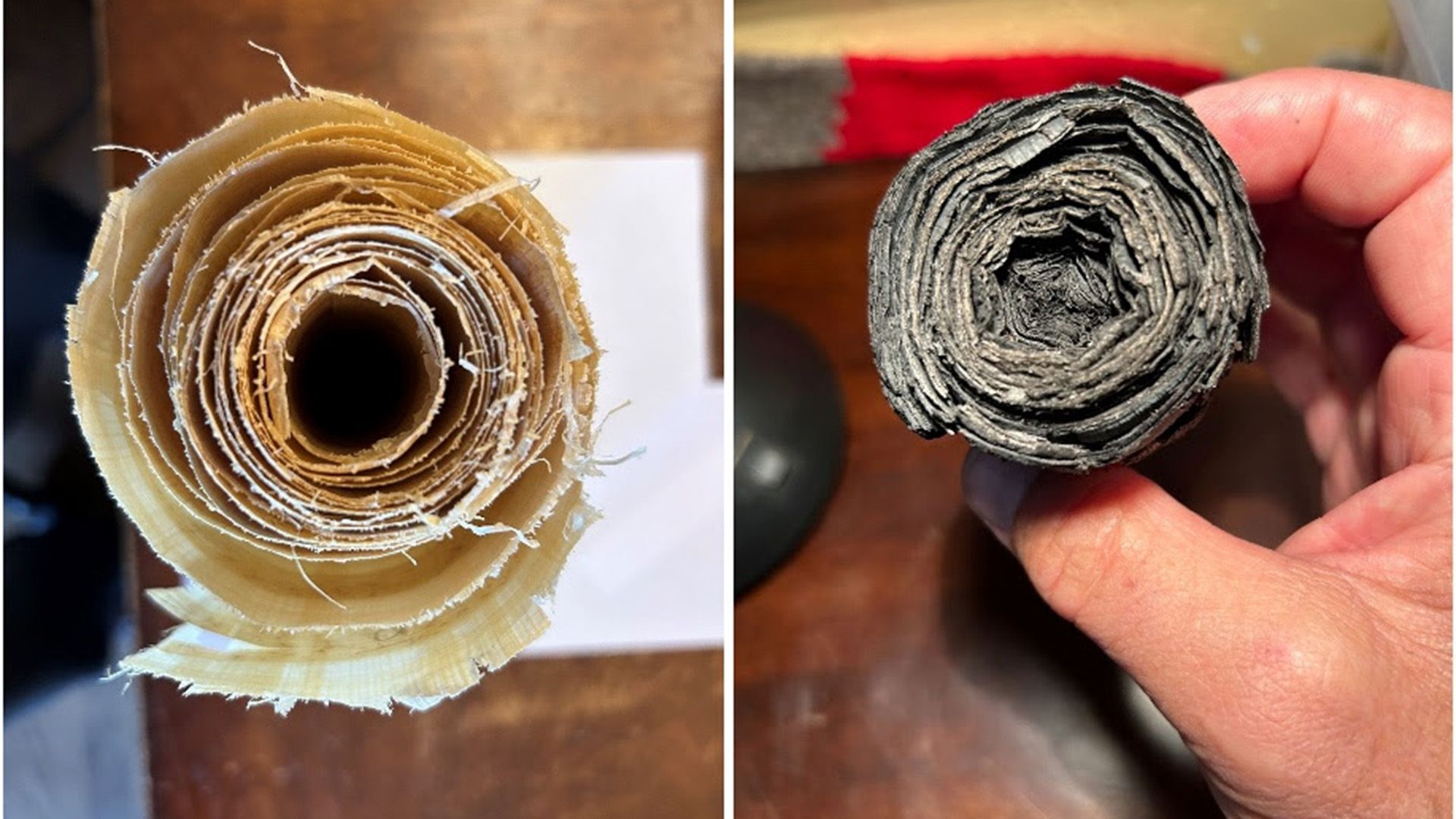
The new research investigates the lead-enriched ink within some of the nearly 2,000 papyrus scrolls, which were found at a villa in the ancient town of Herculaneum in the 1750s. In a new paper, a team created modern scrolls with leaded ink, scorched them and found that they could read the text after using several techniques, including X-ray technologies and artificial intelligence (AI).
"It's amazing what you can get electrons to do," Douglas Seiler , a research affiliate of the University of California, Berkeley and a co-author of the study, said in a statement about the new method.
Over the past few years, other researchers have digitally opened and decoded some of the scrolls from the Herculaneum villa, which was likely owned by Julius Caesar's father-in-law. These results have helped reveal the writings of ancient philosophers , largely Epicureans and Stoics, with one section even describing Plato's final burial place .
But scientists still wrestled with using X-rays to read the scrolls, since, in many cases, both the papyri and the ink written on them are carbon-based. However, some of these papyri, scientists have learned, contained leaded ink. The new study, published Wednesday (Sept. 16) in the journal PLOS One , suggests that researchers should first scan the scrolls for leaded ink and then use their new technique to read more of these long-lost texts.
This method could help improve text-detection algorithms to identify writing on ancient papyrus pages, they noted. And, in the long run, it may help to protect the scrolls.
"This provides a low-risk method to develop algorithms without endangering the priceless artifacts," the team wrote in the study.
Get the world’s most fascinating discoveries delivered straight to your inbox.
Read Full Story at Live Science →