NASA's Roman Telescope captures first cosmic light images before 2027 launch
NASA's Nancy Grace Roman Space Telescope has captured its first images of cosmic light, demonstrating its advanced capabilities ahead of its 2027 launch. This milestone is crucial for its mission to …
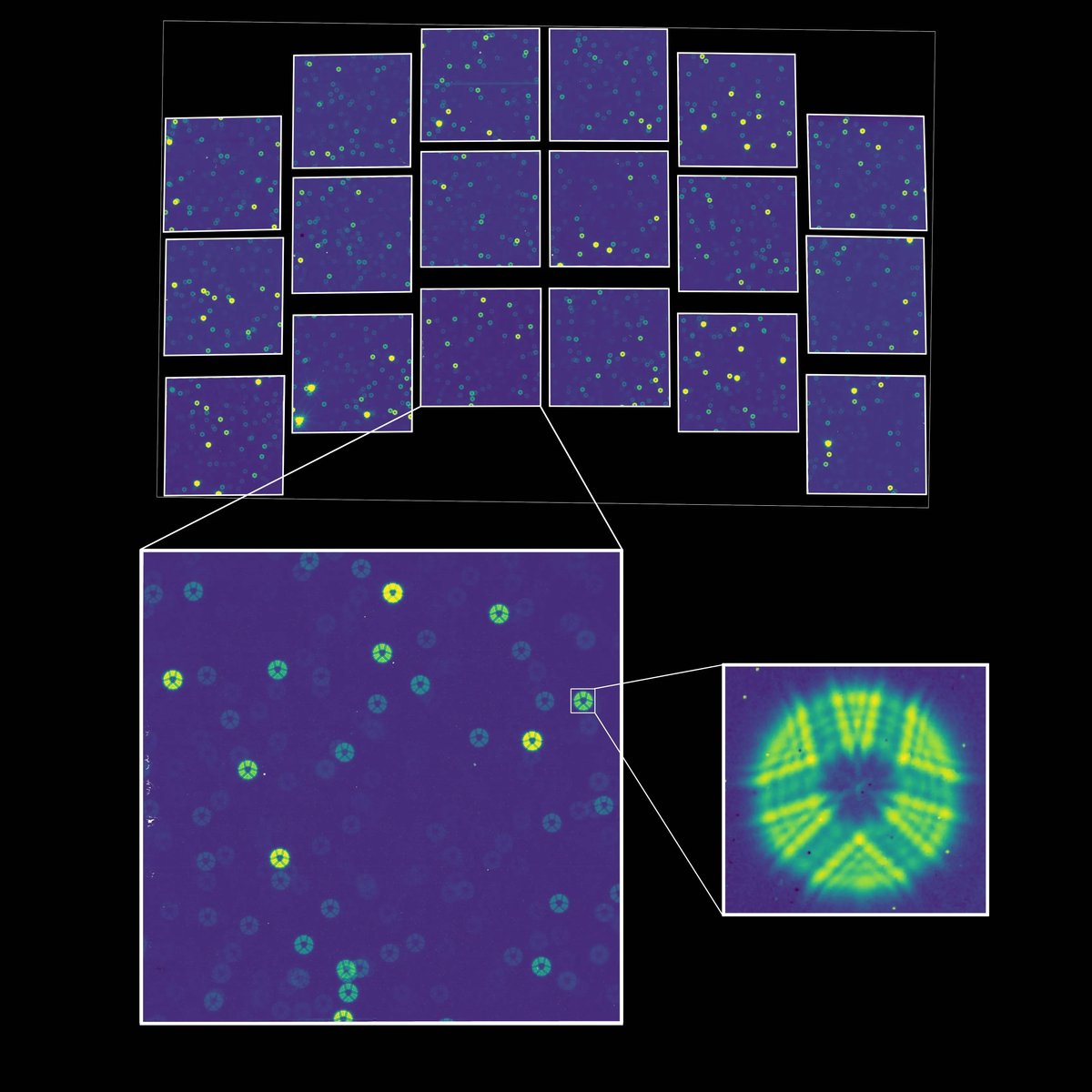
NASA's Nancy Grace Roman Space Telescope has successfully captured its first images of cosmic light, marking a significant milestone in its mission to explore the universe. This event, which occurred during the telescope's testing phase, showcases its advanced capabilities and sets the stage for groundbreaking discoveries in astrophysics.
The Roman Telescope, named after the influential astronomer Nancy Grace Roman, is designed to survey the universe on an unprecedented scale. Set to launch in 2027, it aims to find thousands of new exoplanets and investigate the mysterious nature of dark matter and dark energy. Current missions have only scratched the surface of these vast cosmic phenomena. The telescope's wide field of view and high-resolution imaging will allow scientists to observe billions of stars and galaxies, offering insights into their formation and evolution.
The initial images taken by the telescope are a proof of concept for its advanced technology. The Roman Telescope is equipped with a wide-field camera that can capture more light than any previous space telescope. This capability is crucial for detecting distant objects and understanding their properties. Scientists anticipate that the telescope will help answer fundamental questions about the universe, including how galaxies form and evolve, and the rate of expansion of the universe.
Looking ahead, the Roman Telescope is expected to revolutionize our understanding of the cosmos. Its data will not only enhance our knowledge of exoplanets but also help unravel the mysteries of dark matter and dark energy, which together make up about 95% of the universe. As the mission progresses, the scientific community eagerly awaits the wealth of information the Roman Telescope will provide, paving the way for future explorations and discoveries in space science.
Read Full Story at Scientific American →