NASA is about to launch a space telescope that could change how we see the universe
The Nancy Grace Roman Space Telescope, named after NASA's first chief astronomer, will launch on Aug. 30. NASA hide caption The universe is a strange place — filled with exploding stars, ancient gal…
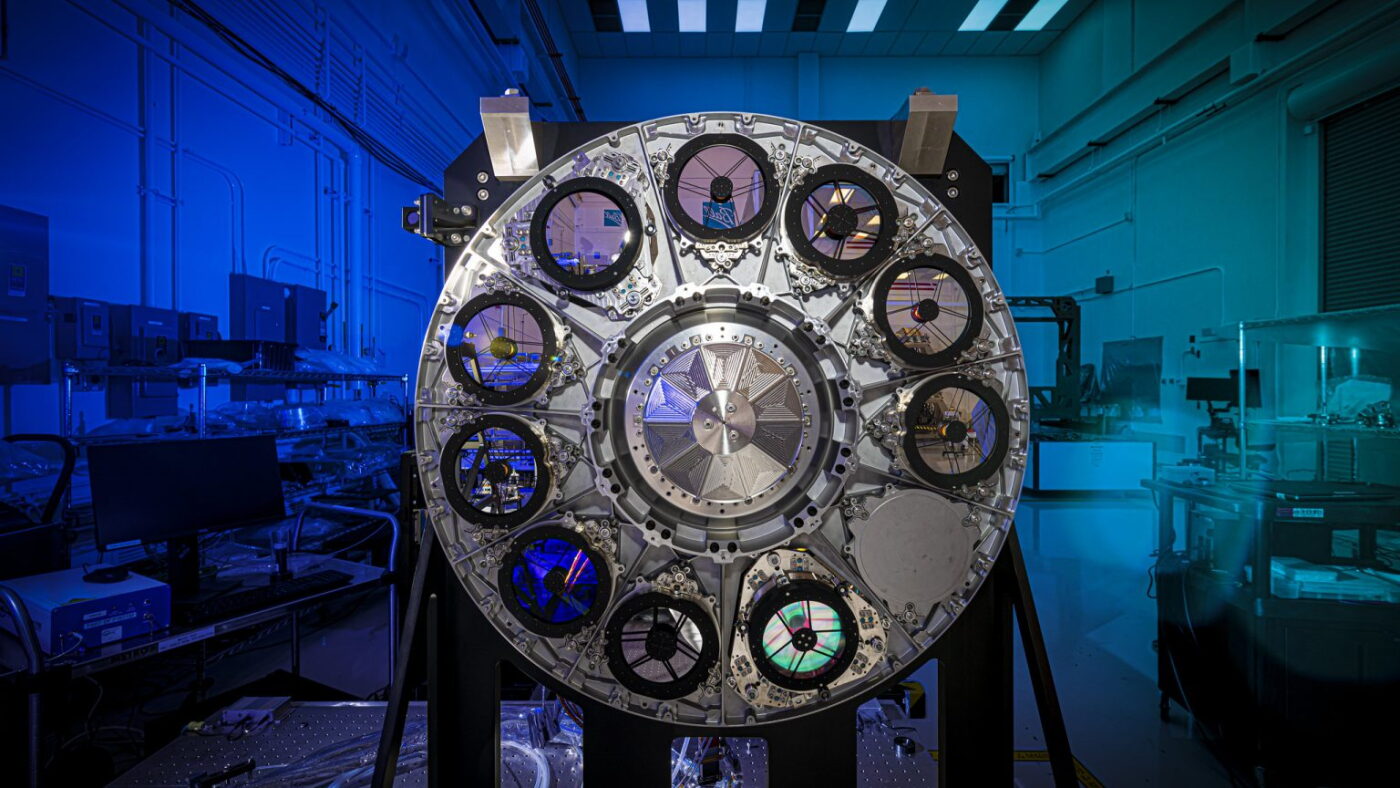
The Nancy Grace Roman Space Telescope, named after NASA's first chief astronomer, will launch on Aug. 30. NASA hide caption
The universe is a strange place — filled with exploding stars, ancient galaxies, and unseen worlds. Now, astronomers are about to get a brand new tool to explore it.
For new discoveries, everyday mysteries, and the science behind the headlines, follow NPR’s Short Wave podcast.
The $4.3-billion Nancy Grace Roman Space Telescope is scheduled for launch Aug. 30. Named for NASA's first chief astronomer, the observatory is expected to reveal new information about the expansion of the universe and discover multitudes of planets orbiting distant stars.
Roman, as it is known to its friends, has an unusual history. About 15 years ago NASA was making plans to build a space telescope that could, among other things, search for exploding stars known as Type 1A supernovas. These supernovas were used as a kind of cosmological measuring stick to uncover a mysterious force called dark energy that was causing the universe to expand — a discovery that earned the Nobel Prize in 2011.
Cosmologist Daniel Scolnic at Duke University says finding more of them would be key to better understanding that expansion.
As NASA was developing plans for this new telescope, a call came in from the government office in charge of surveillance satellites.
"The National Reconnaissance Office reached out to NASA," Scolnic says, "saying, 'We have this amazing satellite sitting in a hangar that we're not using. And what what do you guys think about instead of pointing downwards, we point upwards, and you guys use it?'"
Read Full Story at NPR News →