'It has become very dire in a lot of places': New map reveals exactly where humans are adding and removing precious fresh water on Earth
Earth's continents are losing fresh water much faster than scientists thought, mostly because aquifer pumping in regions like northern India, southern Iran and parts of the U.S. is 45% more pronounce…
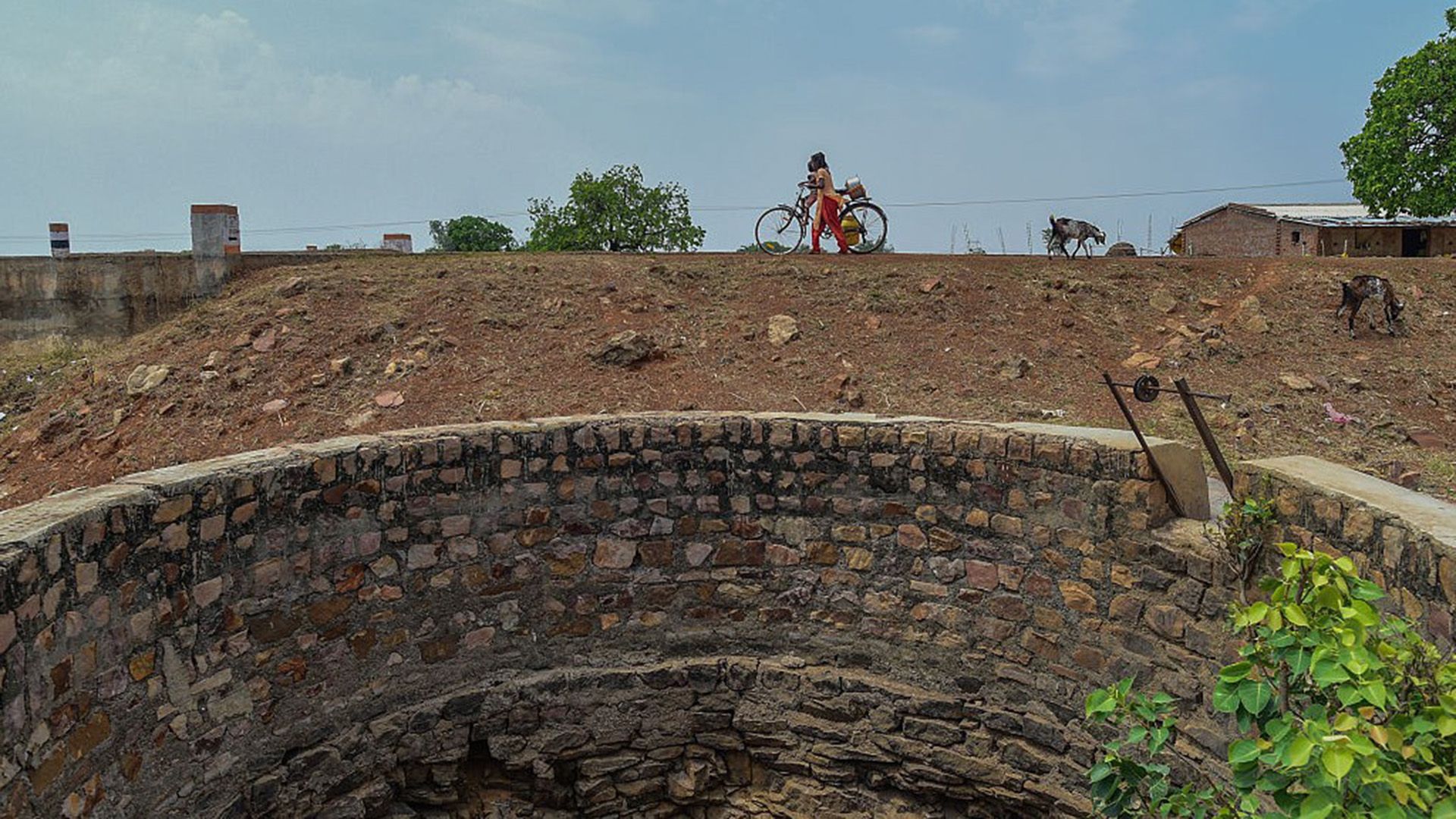
Earth's continents are losing fresh water much faster than scientists thought, mostly because aquifer pumping in regions like northern India, southern Iran and parts of the U.S. is 45% more pronounced, on average, than previous estimates suggested, new research shows.
The study used satellite data to map freshwater trends across the globe between 2002 and 2025. Thanks to a high-resolution rendering method, researchers revealed regional gains and reductions in terrestrial water storage that were 33% more marked, on average, than in previous studies. The amount of fresh water lost was much higher than the gains overall, highlighting the urgent need for better water management to stave off a global water crisis.
"It has become very dire in a lot of places," Hrishikesh Chandanpurkar , a hydrologist and the co-founder of the nonprofit Evergreen Resilience Institute, who was not involved in the study, told Live Science.
The study also attributed the changes in freshwater storage to different human and climate drivers, said first author Mary Michael Forrester O'Neill , a researcher at the University of Maryland's Earth System Science Interdisciplinary Center and the Hydrological Sciences Laboratory at NASA 's Goddard Space Flight Center.
"Earlier studies could see broad patterns of long-term freshwater loss or gain but couldn't reliably tell how much was due to human activity versus climate swings, in part due to resolution limitations," Forrester O'Neill told Live Science in an email. "This study sharpened the picture and used geostatistical methods to rank the impacts of human causes, like irrigation and dam building, against climate factors, like rainfall and drought."
The researchers found 94 regions with above-background shifts in freshwater storage, 40 of which were influenced mainly by human land or water use, rather than climate variability and global warming . The team then focused on these 40 hotspots to pinpoint exactly where people can act to conserve water.
"Water managers and downstream communities need to know which aquifer, reservoir, or irrigation district is responsible for a given trend in large-scale freshwater storage, not just that 'somewhere in this country, water is being lost,'" Forrester O'Neill explained.
Get the world’s most fascinating discoveries delivered straight to your inbox.
Read Full Story at Live Science →