NASA's Roman Space Telescope to detect exoplanets using microlensing technology
NASA’s Roman Space Telescope, launching in the mid-2020s, will utilize innovative technology to detect and study exoplanets through gravitational microlensing. Its advanced capabilities aim to vastly…
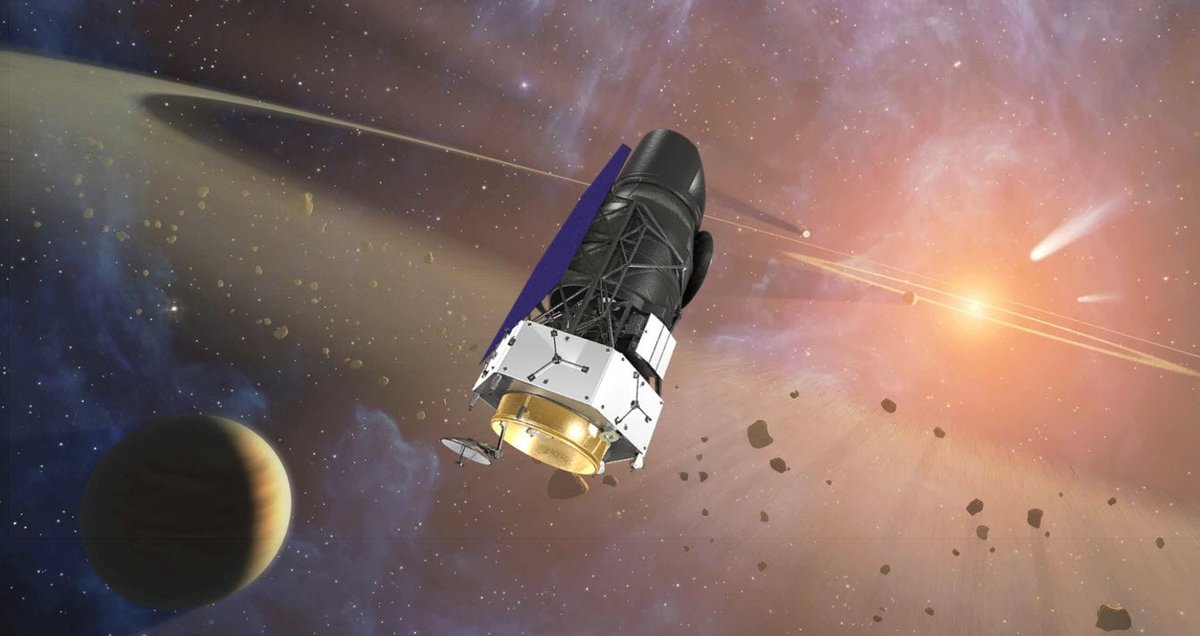
NASA’s Roman Space Telescope will feature groundbreaking technology designed to capture images of exoplanets, set to launch in the mid-2020s. This telescope aims to study a wide range of astronomical phenomena, with a particular focus on detecting and characterizing planets outside our solar system.
The Roman Space Telescope is a response to the growing interest in exoplanets, especially since the Kepler Space Telescope discovered thousands of them over the past decade. As scientists learn more about these distant worlds, they seek to understand their atmospheres, compositions, and potential habitability. The Roman Telescope’s advanced imaging capabilities will allow researchers to observe exoplanets in greater detail than ever before, using a technique called gravitational microlensing, which detects light variations caused by the gravitational pull of a planet.
By using a wide-field camera, the Roman Space Telescope can survey large areas of the sky and identify exoplanets that may have previously gone unnoticed. This technology will enable astronomers to analyze the light from stars and determine if any planets are orbiting them. The telescope is expected to find thousands of new exoplanets during its mission, expanding our knowledge of the universe and possibly identifying Earth-like planets in the habitable zone of their stars.
Looking ahead, the Roman Space Telescope is poised to revolutionize our understanding of planetary systems. Its findings could impact the search for extraterrestrial life and inform future missions aimed at studying potentially habitable worlds. As it prepares for launch, the scientific community anticipates that this advanced observatory will significantly enhance our comprehension of the cosmos and our place within it.
Read Full Story at Scientific American →