Theban tomb reveals evolution of ancient Egyptian burial practices
A newly discovered tomb in Thebes shows that ancient Egyptian burial practices evolved from individual coffin burials to reusing tombs for multiple mummies over centuries, reflecting societal changes…
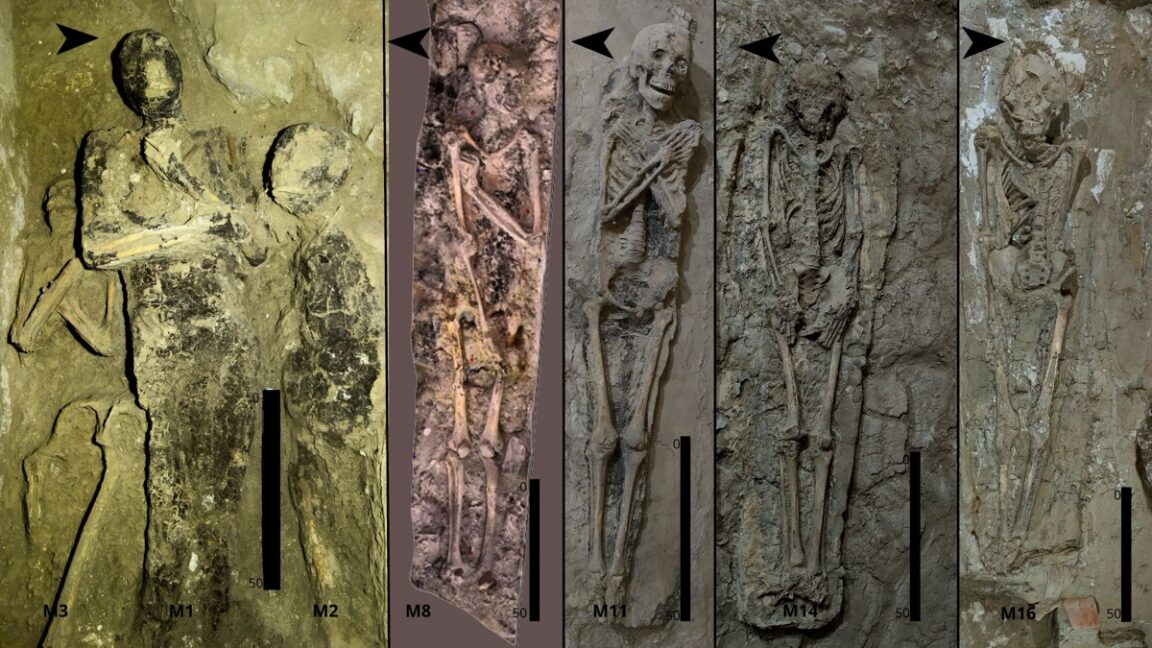
A newly discovered tomb in Thebes has shed light on the evolution of ancient Egyptian burial practices, revealing a significant shift from individual coffin burials to the reuse of burial sites for multiple mummies. The findings, published recently, indicate that this change occurred over several centuries, reflecting broader cultural and societal transformations in ancient Egypt.
This shift in burial practices is particularly noteworthy as it coincides with a period of considerable change within Egyptian society. As the population grew and resources became scarce, families began to adapt their burial customs to accommodate more individuals in existing tombs. This trend highlights how ancient Egyptians balanced their rich traditions with practical considerations, allowing them to maintain their beliefs about the afterlife while also addressing the realities of space and resources.
Archaeologists discovered various layers of burials within the tomb, including older mummies placed alongside newer ones. This demonstrates a complex relationship between the dead and the living, where the space was sacred yet also functional. The tomb's artifacts, such as pottery and inscriptions, provide evidence of the evolving rituals associated with death and the afterlife. This new understanding of burial practices may also reshape our comprehension of social hierarchies, as the reuse of tombs could indicate shifts in status and familial connections over time.
Looking ahead, this discovery may prompt further archaeological investigations into similar sites across Egypt. Researchers are likely to explore how changes in burial practices corresponded with shifts in religious beliefs and social structures. Understanding these trends can provide deeper insights into the cultural landscape of ancient Egypt, revealing how people navigated the complexities of life, death, and the afterlife in a constantly changing society.
Read Full Story at Ars Technica →