Scientists discover immune organ in skull that combats brain tumors in mice
Scientists have discovered a new immune organ in the skull that helps fight brain tumors in mice by rapidly responding to cancer cells. This finding could lead to improved treatments for brain cancer…
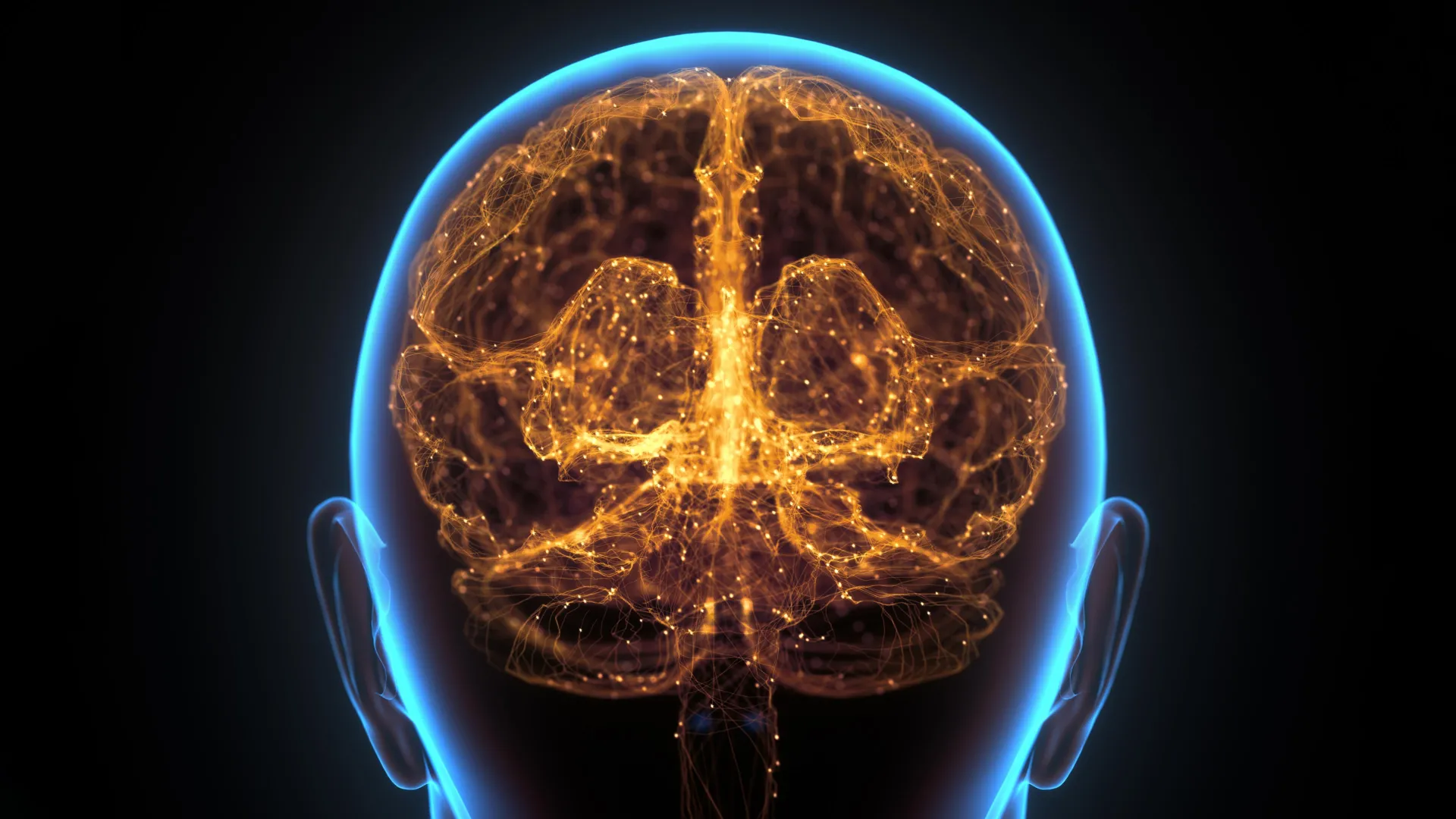
Scientists have identified a previously unknown “immune organ” inside the skull that can rapidly fight brain tumours in mice. The structure, found in the bone marrow of the skull, acts as a first‑line responder when cancer cells appear in the brain. In experiments, mice whose skull immune system was strengthened rejected tumours more effectively and lived longer than untreated controls.
The discovery matters because brain cancers are notoriously hard to treat. The blood‑brain barrier blocks many drugs, and immune cells rarely reach the brain. Researchers have long suspected that the meninges and skull contain immune cells that could be harnessed, but no dedicated organ had been identified. The new organ, described in a paper in Nature Medicine, is a cluster of lymphoid cells that quickly detects and attacks tumour cells. It appears to be a specialised form of meningeal lymph node that had been overlooked in previous studies.
In the study, scientists used a mouse model of glioblastoma. They activated the skull organ with a small vaccine that boosted local T‑cell activity. Treated mice showed a 50‑per‑cent increase in tumour‑free survival compared with untreated mice. The team also mapped the organ’s connections to the brain’s immune network, showing that it can send signals to distant immune sites. These findings suggest that the skull can be a therapeutic target, opening a new avenue for brain‑cancer immunotherapy.
The next steps involve testing whether the same organ exists in humans and how it can be activated safely. Researchers plan to use imaging techniques to locate the organ in patients and to develop skull‑directed drug delivery systems. If the approach translates to humans, it could complement existing immunotherapies and offer a new strategy for treating aggressive brain tumours that currently have limited options.
Read Full Story at ScienceDaily →