Over 100 countries commit to 30% methane reduction by 2030
Reducing methane emissions is essential to limit global warming to well below 2 degrees Celsius, as methane is over 25 times more effective at trapping heat than carbon dioxide. More than 100 countri…
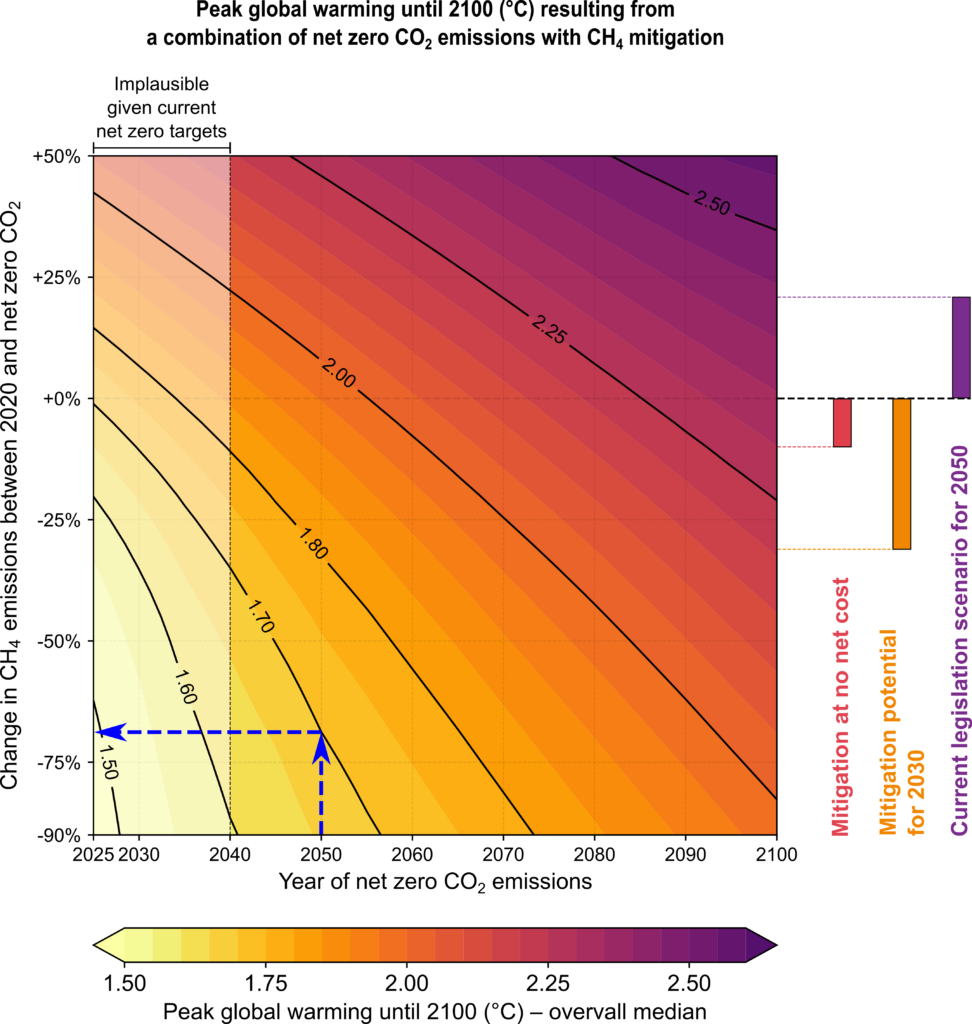
Methane emissions must be significantly reduced to limit global warming to well below 2 degrees Celsius, according to climate experts. This urgency comes as nations prepare for upcoming climate negotiations, with methane being a potent greenhouse gas that has a heat-trapping ability more than 25 times greater than carbon dioxide over a 100-year period.
The increasing levels of methane in the atmosphere are primarily due to human activities, including fossil fuel extraction, agriculture, and waste management. The Intergovernmental Panel on Climate Change (IPCC) has highlighted that reducing methane emissions could help slow the rate of climate change significantly. With global temperatures already rising, the need for immediate action has never been clearer. The recent focus on methane cuts aligns with the goals set in the Paris Agreement, where countries committed to limiting temperature rise to 1.5 degrees Celsius.
Data from the Global Methane Pledge, launched in 2021, shows that over 100 countries have agreed to collectively reduce methane emissions by 30% by 2030. This initiative reflects a growing recognition of methane's role in climate change and the potential benefits of cutting emissions. Experts emphasize that achieving these targets could prevent nearly 0.3 degrees Celsius of warming by 2040, significantly impacting climate stability.
Moving forward, countries will need to implement stronger regulations and invest in technologies that can capture or reduce methane emissions effectively. This includes improving waste management practices, encouraging sustainable agricultural methods, and transitioning to cleaner energy sources. The success of these efforts is crucial not just for meeting climate goals but also for protecting ecosystems and human health from the adverse effects of rising temperatures.
Read Full Story at Carbon Brief →