UC Berkeley engineers assemble COSI gamma-ray detector for NASA mission
Engineers from UC Berkeley assembled the COSI gamma-ray detector on July 8, 2026, a crucial step before its planned 2028 launch aboard a NASA mission. This advanced instrument aims to enhance our und…
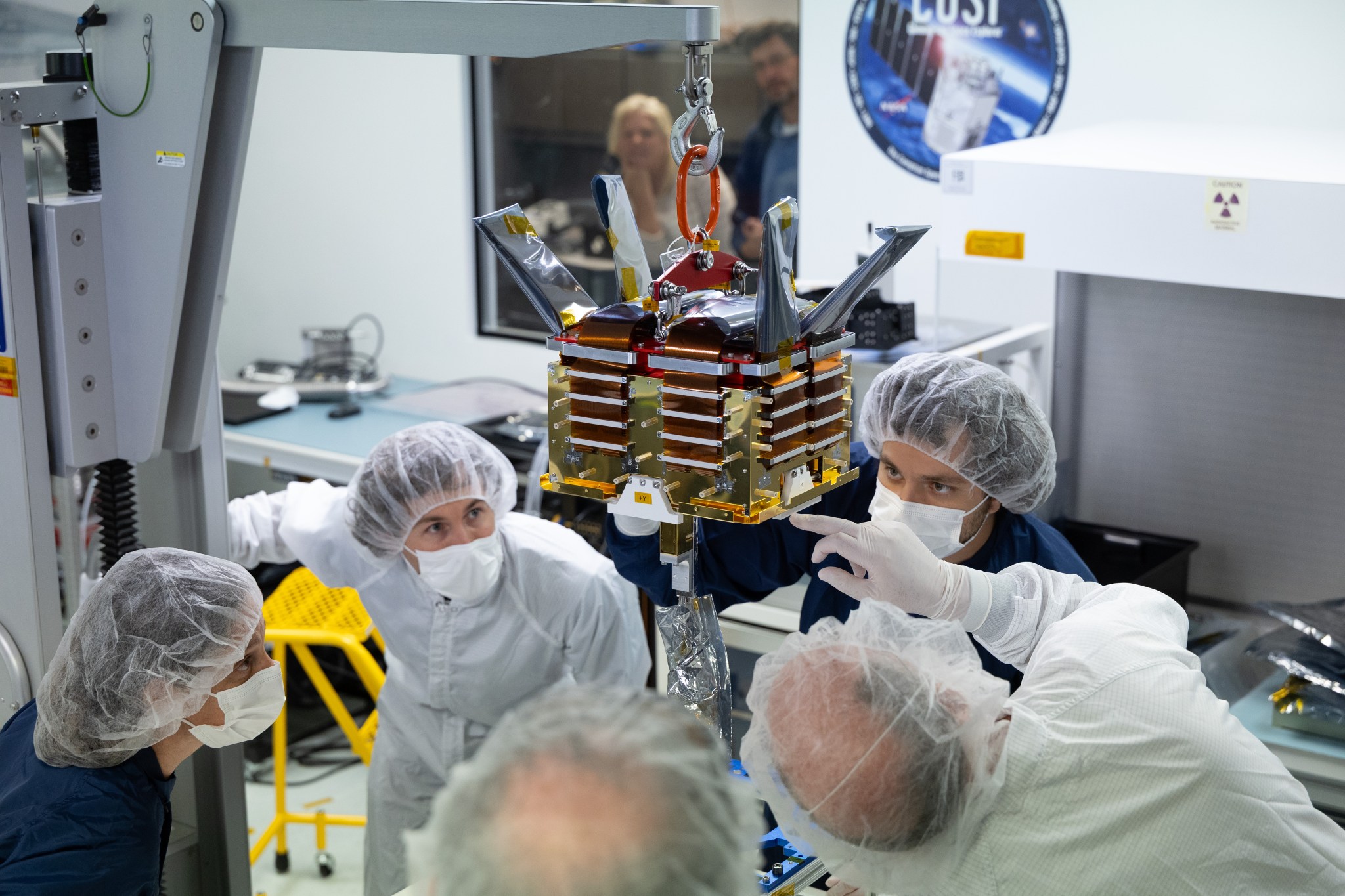
Engineers from UC Berkeley successfully assembled the COSI (Compton Spectrometer and Imager) detector on July 8, 2026, marking a significant milestone in the project’s development. The assembly took place in a controlled environment, where the detector was carefully raised from a work table. This complex instrument is designed to study cosmic gamma rays, which are high-energy emissions from some of the universe's most violent events.
The COSI project is vital for advancing our understanding of astrophysical phenomena, including black holes, neutron stars, and supernovae. As scientists seek to unravel the mysteries of the universe, gamma-ray observations provide crucial data that can reveal the processes behind these extraordinary events. The timing of this assembly is critical, as COSI is scheduled to launch aboard a NASA mission in 2028, where it will conduct its observations from space, unhindered by Earth's atmosphere.
COSI's design includes advanced technology to detect gamma rays with unprecedented precision. The four pieces of silver material seen during the assembly cover flex circuits that will transmit signals from the detectors to the readout electronics. This intricate setup is essential for collecting and analyzing data, which will help scientists map the gamma-ray sky and better understand the origins of these high-energy emissions. The successful assembly underscores the collaborative effort of engineers and scientists who have been working on this project for years.
Looking ahead, the next steps involve rigorous testing of the assembled detector to ensure it meets all operational standards. Following these tests, the COSI team will prepare the instrument for integration with the launch vehicle. The success of this mission promises to enhance our knowledge of the universe and could lead to groundbreaking discoveries in astrophysics, paving the way for future research in this exciting field.
Read Full Story at NASA →