Africa's oldest known defensive wall outside Egypt discovered, and it's 4,000 years old
Archaeologists have unearthed 4,000-year-old defensive walls in Morocco that are the oldest structures of their kind in North Africa outside the Nile Valley. The discovery expands what's known about…
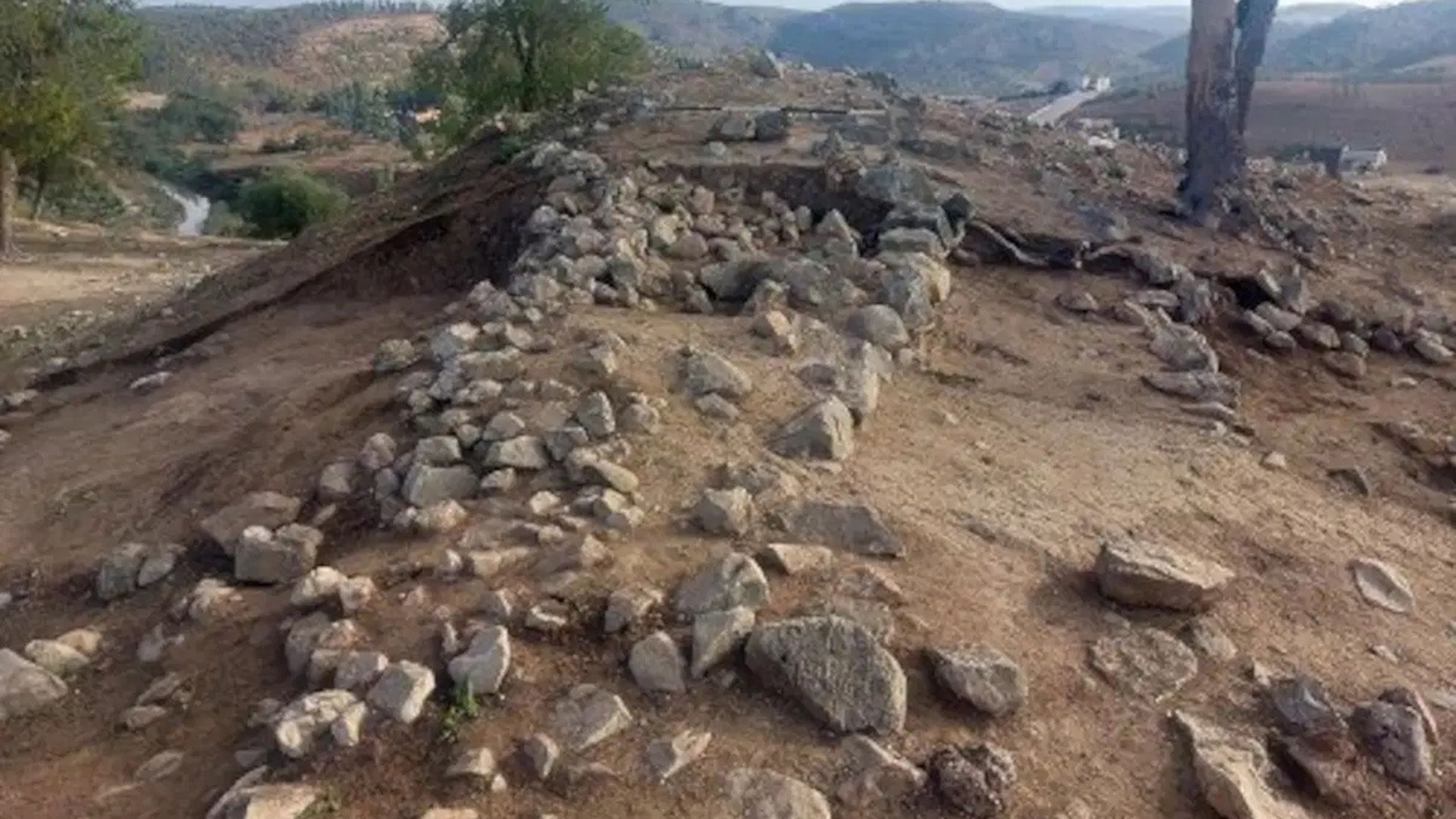
Archaeologists have unearthed 4,000-year-old defensive walls in Morocco that are the oldest structures of their kind in North Africa outside the Nile Valley.
The discovery expands what's known about the human development of this region of northwestern Mediterranean Africa, known as the Maghreb, particularly about the adoption of agriculture.
"For more than a century, the Maghreb was treated as a blank space in the story of Mediterranean later prehistory," Giulio Lucarini , an archaeologist at Italy's National Research Council, told Live Science in an email.
But the new research shows that the gap resulted from a lack of scientific knowledge about the region. ("Maghreb" is Arabic for "the West" and refers to Morocco, Mauritania, Algeria, Tunisia and Libya.) For instance, only recently did ancient DNA research reveal that hunter-gatherers from Europe may have voyaged across the Mediterranean to the Maghreb around 8,500 years ago.
"Four thousand years ago, communities here were reshaping their landscape and building defences on a scale never documented before in the region, at a time when societies across the Strait of Gibraltar were also changing," he said. "We are only beginning to understand how these developments on the two shores [the Maghreb and Europe] relate to each other.”
Lucarini is the first author of the new research, which describes the latest discoveries at Oued Beht in Morocco, in a river valley about 50 miles (80 kilometers) east of the capital, Rabat.
Many of the same researchers were involved in last year's discovery of the remains of a prehistoric village at Kach Kouch , about 120 miles (190 km) north, in Morocco's Rif Mountains near the Strait of Gibraltar.
Get the world’s most fascinating discoveries delivered straight to your inbox.
Read Full Story at Live Science →