Scientists discover 240-million-year-old Dinodontosaurus fossil alters dinosaur timeline
A 240-million-year-old fossil named Dinodontosaurus isiyavamanda from Tanzania suggests a connection between early dinosaurs in South America and Africa, indicating that previous oldest dinosaur foss…
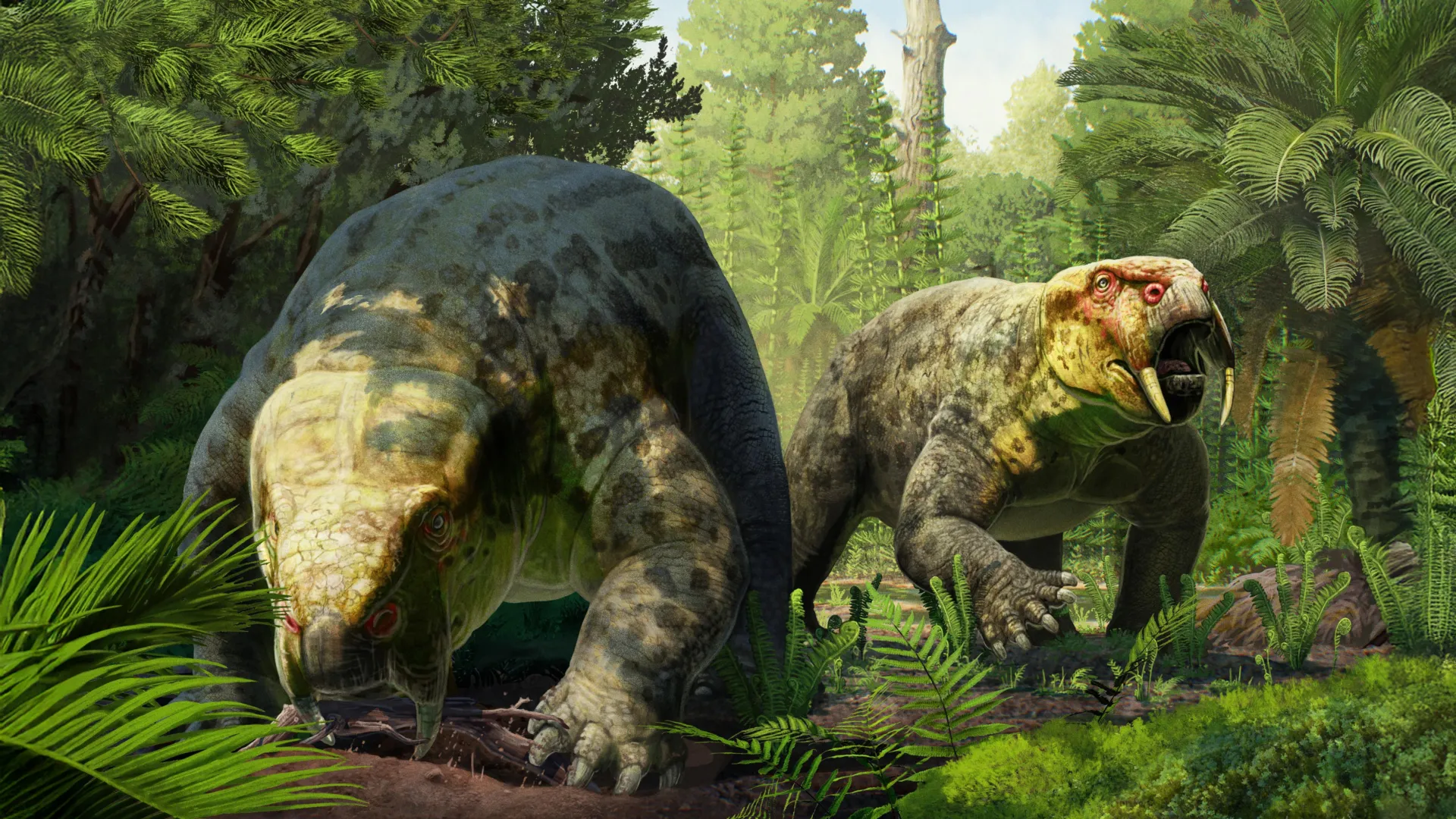
A newly identified 240-million-year-old fossil from Tanzania is prompting scientists to revise the early dinosaur timeline. The fossil, named Dinodontosaurus isiyavamanda, is part of a group previously known only from South America, revealing a surprising link between fossil deposits on the two continents. This discovery raises questions about the age of Tanzania's previously believed oldest dinosaur fossils, suggesting they may be millions of years younger than once thought.
The findings are significant in the context of understanding the evolutionary history of dinosaurs and their ancestors. Fossils provide crucial insights into how species evolved and migrated across ancient landmasses. Previously, researchers believed that certain early dinosaurs emerged independently in South America and Africa. The identification of Dinodontosaurus isiyavamanda indicates that these continents were connected, allowing for the exchange of species long before the more widely recognized dinosaurs appeared.
Paleontologists have been studying the geological layers in Tanzania for years, seeking evidence of early dinosaur life. The discovery of this fossil sheds light on the complexity of the prehistoric ecosystem and suggests that the origins of dinosaurs may be more intertwined than previously understood. This has implications for how scientists interpret fossil records and the migration patterns of early reptiles, potentially leading to more discoveries in both Africa and South America.
Moving forward, researchers will likely reexamine existing fossils and geological data to refine the timeline of dinosaur evolution. This discovery may also inspire new excavations in Tanzania and South America to uncover more fossils that could reshape our understanding of how dinosaurs evolved. The implications of this research extend beyond paleontology, influencing our broader understanding of Earth's history and the life forms that have inhabited it over millions of years.
Read Full Story at ScienceDaily →