Zelenskyy reports Starshield slowdown jeopardizes Ukraine's defense against Russia
Ukrainian President Zelenskyy announced that the military-grade Starshield satellite service has been deliberately slowed, affecting Ukraine's ability to intercept Russian attacks. This restriction, …
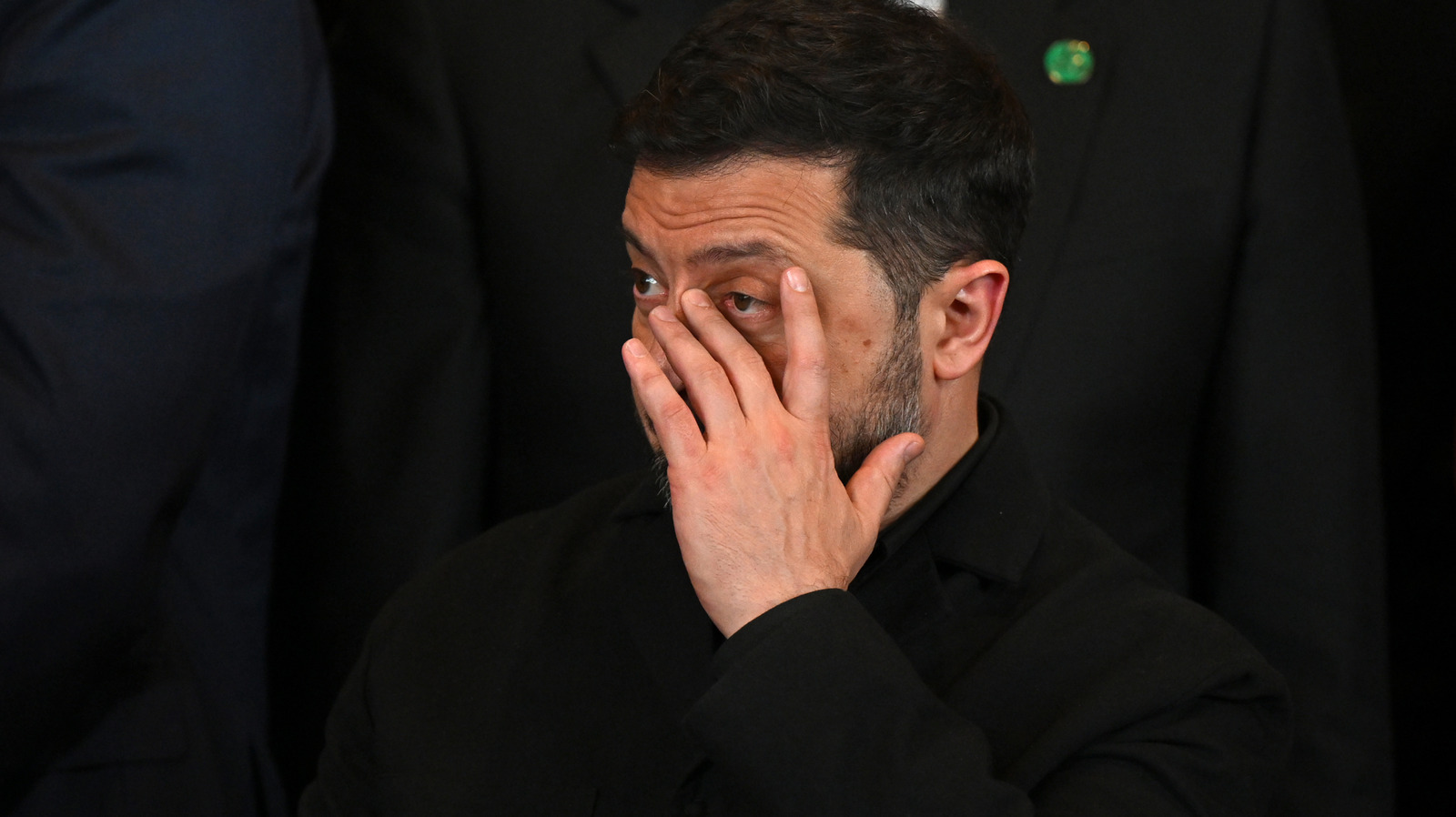
Zelenskyy said on X that Ukraine’s military‑grade Starshield satellite service has been deliberately slowed again, cutting speeds across the entire front line and in Russian‑occupied areas. The restriction means any terminal moving faster than 161 km/h (100 mph) loses its connection, a limit that hampers the country’s ability to intercept Russian attacks. The announcement came on Tuesday, just as U.S. envoys Steve Witkoff and Jared Kushner arrived in Moscow for talks with President Vladimir Putin.
The slowdown follows a pattern that began in mid‑October, when Ukraine’s forces first noticed similar caps on their satellite links. At the time, the cuts coincided with former President Donald Trump’s public complaints about Ukrainian strikes on Russian oil facilities, which he blamed for rising fuel prices ahead of the U.S. midterm elections. Reuters reported that the original order came from within the White House, while a later Wall Street Journal story suggested Elon Musk may have intervened after speaking with Trump. Musk’s public statements have been contradictory, first claiming Starshield is “owned and controlled by the US government” and later accusing Ukraine of violating Starlink’s terms of service.
The speed limit directly affects Ukraine’s interceptor drones, which rely on Starshield to chase down Russian Shahed loitering munitions that can travel up to 500 km/h (310 mph). With the connection dropping at 100 mph, the drones cannot keep pace, allowing some Russian strikes to get through. Zelenskyy said the military has ruled out random technical errors and is now seeking answers from the American side. He warned that the throttling is helping Russian forces kill more Ukrainians and conduct more accurate attacks.
The issue is likely to surface at the upcoming summit in Ireland, where Zelenskyy is expected to meet the U.S. delegation. U.S. officials have not commented publicly on who ordered the latest restriction. Analysts say the timing—coinciding with high‑level talks in Moscow—raises questions about the strategic use of satellite bandwidth as a political lever. The next days will reveal whether the United States will restore full speeds or keep the caps in place, a decision that could influence the pace of Ukraine’s defensive operations.
Read Full Story at Engadget →