Glyphosate disrupts honeybee brains, reduces foraging by 13% in three days
Glyphosate, the most widely used herbicide, disrupts honeybee brains, reducing their foraging behavior by 13% after just three days of exposure. This poses a significant threat to honey production an…
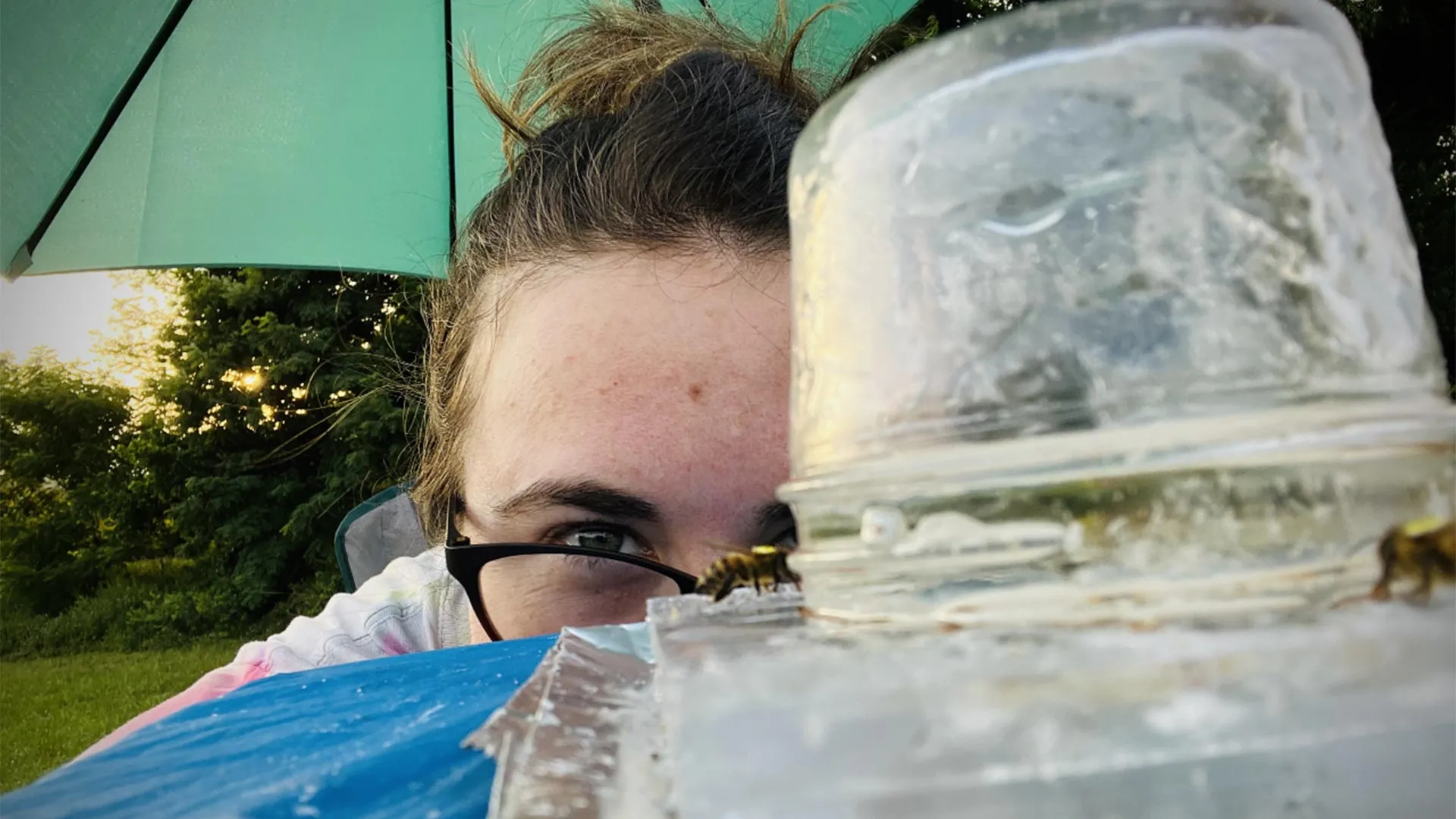
Recent research reveals that glyphosate, the world’s most widely used herbicide, disrupts the brains of honeybees. A study found that bees exposed to the chemical for just three days exhibited a 13 percent reduction in foraging behavior and alterations in brain chemicals associated with their behavior. This decline could significantly impact honey production and pollination efforts across entire hives, raising concerns about the long-term viability of bee populations.
Glyphosate has traditionally been considered safe for honeybees because they lack the specific enzyme the herbicide targets in plants. However, this new research challenges that assumption. The study highlights the potential for glyphosate to affect bee health in more subtle ways, influencing their foraging patterns and overall hive dynamics. As agricultural practices increasingly rely on glyphosate for weed control, the implications for ecosystems and food production become more pronounced.
Honeybees play a crucial role in pollinating crops, with an estimated value of over $15 billion to U.S. agriculture alone. The decline in bee populations has already raised alarms among scientists and farmers alike, as it threatens food security and biodiversity. The latest findings add another layer of urgency to the discussion about pesticide use and its effects on pollinators.
Moving forward, researchers are likely to explore the broader implications of glyphosate exposure on bee behavior and hive health. As regulatory bodies evaluate the safety of glyphosate, these findings could lead to increased scrutiny of its use in agriculture. Protecting honeybees is critical, not just for honey production, but for the health of ecosystems and the sustainability of food systems worldwide.
Read Full Story at ScienceDaily →