Winemakers adopt conservation practices to boost business and soil health
Winemakers are adopting conservation practices to improve business by enhancing soil health and reducing chemical use, which helps them adapt to climate change and meet consumer demand for eco-friend…
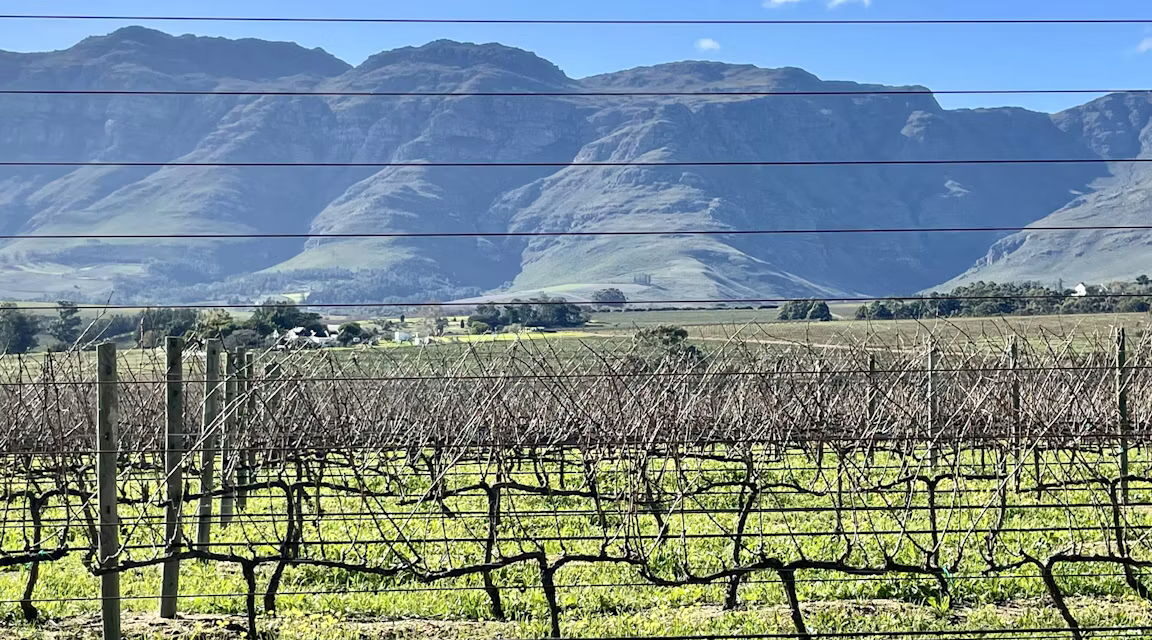
Winemakers are increasingly adopting conservation practices to improve their business. By focusing on healthy soils, native plants, and reducing chemical use, vineyards are adapting to climate change and market demands. This trend is evident in wine regions across the globe, where sustainability has become a key factor in production and marketing strategies.
This shift is happening as the wine industry faces significant challenges. Climate change is altering growing conditions, leading to unpredictable weather patterns and increasing temperatures. In response, many winemakers are embracing regenerative agriculture, which promotes biodiversity and enhances soil health. These practices not only help combat climate issues but also address consumer preferences. An increasing number of wine buyers now prioritize eco-friendly products, prompting wineries to integrate sustainability into their branding.
The financial benefits of adopting conservation measures are becoming clear. Studies show that vineyards using organic or regenerative methods not only see healthier crops but can also command higher prices for their products. For example, organic wines often sell at a premium, appealing to environmentally conscious consumers. Moreover, reduced reliance on synthetic chemicals cuts costs for growers. The emphasis on native plants can also lead to lower water usage, a crucial factor in drought-prone regions.
As the movement toward sustainable winemaking grows, the industry is likely to evolve further. Collaboration among wineries, researchers, and environmental organizations may accelerate the adoption of best practices. This trend is more than just a response to market demands; it represents a fundamental shift in how wine is produced. The long-term success of vineyards may depend on their ability to adapt to a changing environment while meeting consumer expectations for sustainability.
Read Full Story at Ars Technica →