Astrobiologist Steven Rasmussen explores Fermi Paradox in new book
Astrobiologist Steven Rasmussen's new book, "Cloudy with a Chance of Starships," examines the scientific search for extraterrestrial life and addresses the Fermi Paradox. It provides insights into th…
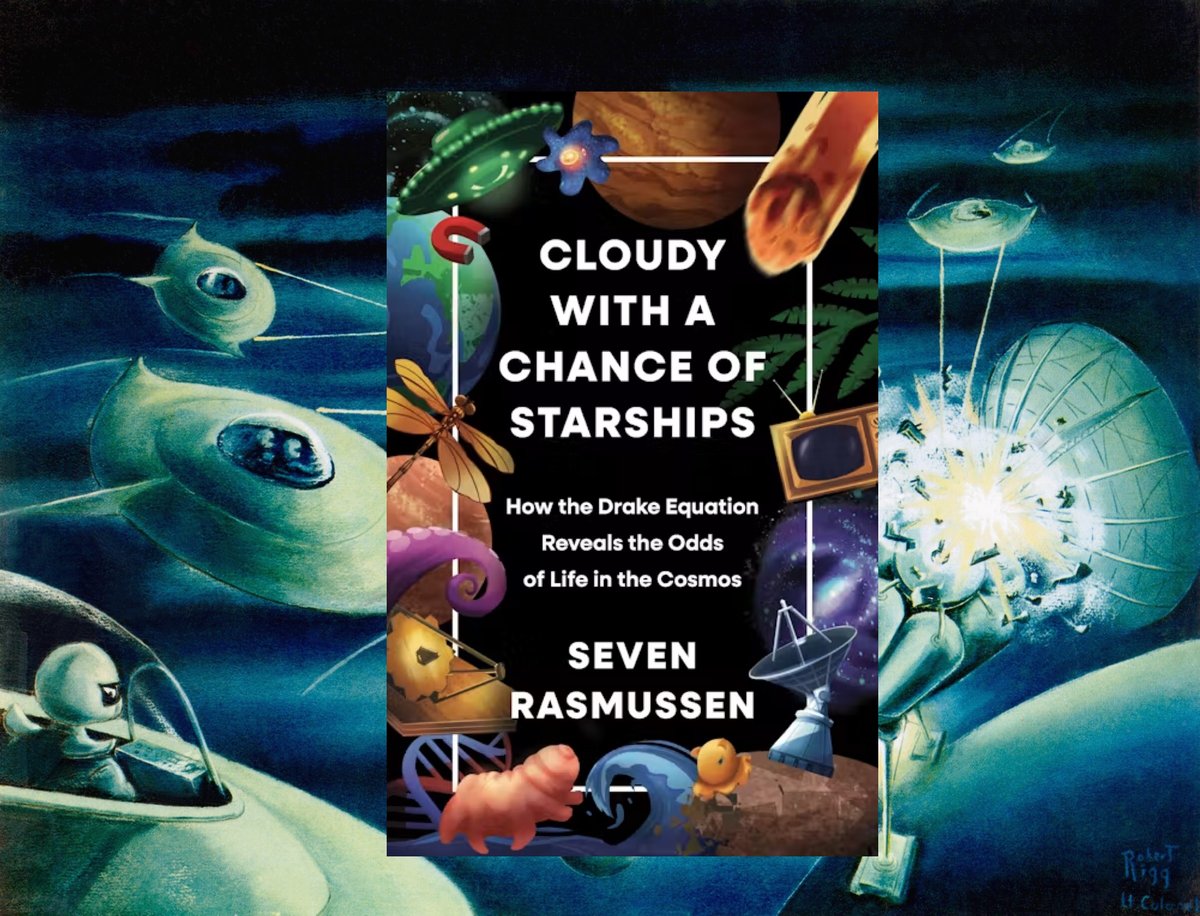
Astrobiologist Seven Rasmussen has released a new book titled "Cloudy with a Chance of Starships," which delves into the ongoing search for extraterrestrial life and explores the scientific underpinnings of this quest. The book aims to bring clarity to the complex and often speculative discussions surrounding the existence of alien civilizations. It offers a comprehensive overview of current scientific methodologies and theories that inform the search for life beyond Earth.
This book comes at a pivotal moment as interest in extraterrestrial life has surged in recent years. High-profile events, such as the U.S. government's release of UFO reports and ongoing discoveries of potentially habitable exoplanets, have reignited public curiosity. Furthermore, advancements in technology, such as the James Webb Space Telescope, allow scientists to analyze the atmospheres of distant planets for signs of life. Rasmussen’s work is particularly timely given the recent emphasis on the need for more rigorous scientific frameworks in assessing the existence and detectability of alien life.
Rasmussen argues that understanding the conditions necessary for life is crucial. He discusses concepts like the Fermi Paradox, which questions why we have not yet detected signs of intelligent life despite the vastness of the universe. The book presents various hypotheses to explain this mystery, including the possibility that intelligent life is exceedingly rare, or that advanced civilizations may self-destruct before they can communicate with us. By grounding these discussions in scientific research, Rasmussen aims to encourage a more nuanced conversation about the implications of finding extraterrestrial life.
Looking ahead, the ongoing exploration for life in the universe is likely to evolve as new discoveries emerge. Missions to Mars and the icy moons of Jupiter and Saturn could yield evidence of microbial life. The scientific community is also beginning to consider the ethical implications of making contact with intelligent beings, should they exist. As Rasmussen’s book highlights, the search for aliens is not just about finding life, but understanding what it means for humanity's place in the cosmos. This exploration could redefine our understanding of life itself and our future in the universe.
Read Full Story at Scientific American →