Low fiber diet causes gut bacteria to consume intestinal mucus, study finds
Low fiber intake forces gut bacteria to eat the protective intestinal mucus layer, compromising the body’s defense against pathogens and inflammation. Consuming indigestible plant proteins helps prev…
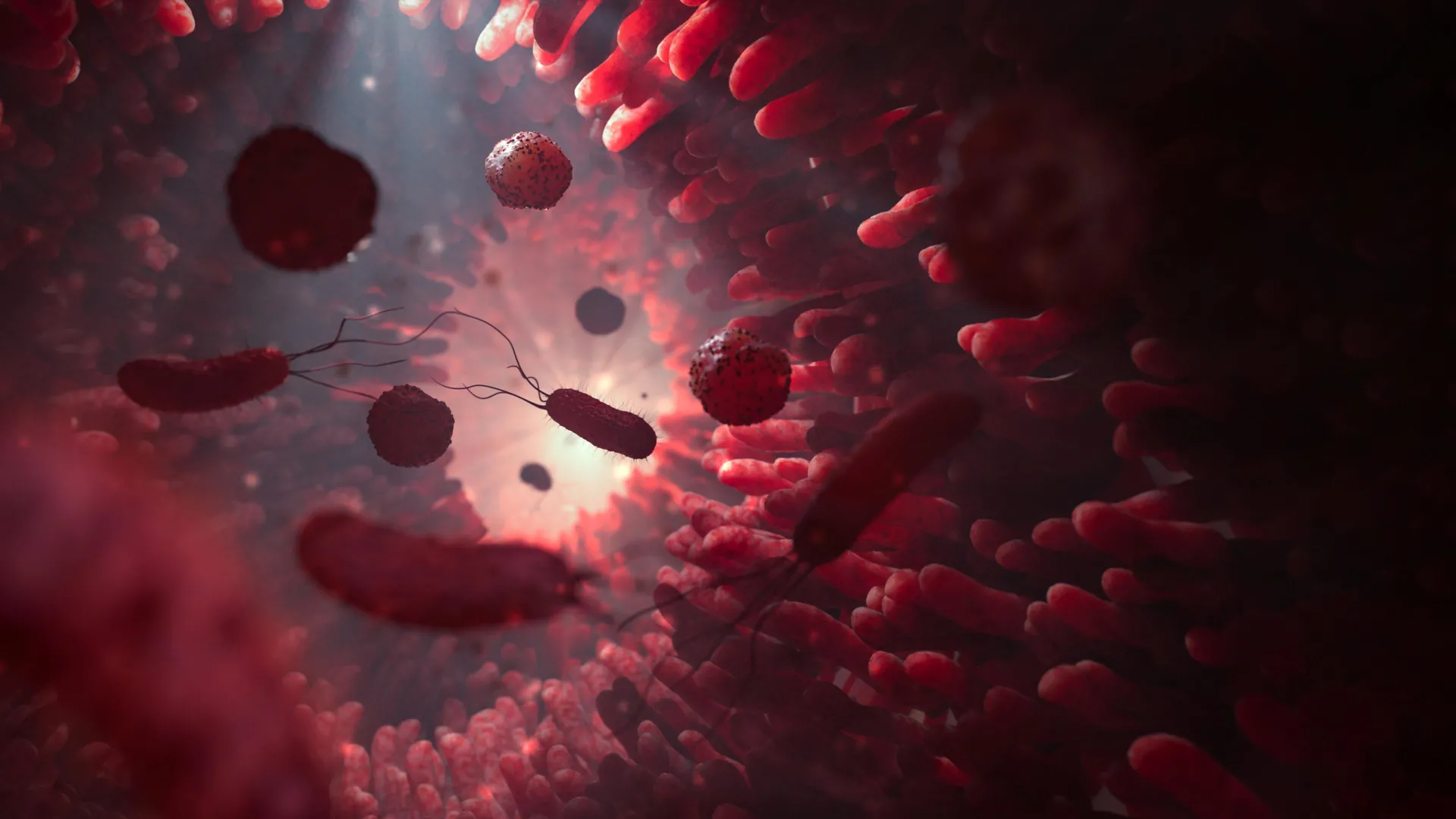
Scientists at the University of Toronto published a new study on March 12, 2024 that shows gut bacteria can begin eating the mucus that lines the intestines when dietary fiber is low. In experiments with mice, researchers found that a fiber‑depleted diet caused certain bacterial species to switch from fermenting indigestible carbohydrates to degrading mucin, the protein that protects the gut wall. The switch was measured by increased levels of mucin‑degrading enzymes and a corresponding drop in the mucus layer’s thickness.
The findings matter because the gut’s mucus layer is the first line of defense against harmful bacteria and toxins. In humans, fiber intake averages around 15 grams per day, far below the 25–30 grams recommended by health authorities. When fiber is scarce, the microbiome’s lack of fermentable food triggers the production of short‑chain fatty acids, such as butyrate, which are essential for colon health. Without enough fiber, microbes lose this energy source and turn to mucus, which can compromise gut barrier function and increase the risk of inflammation, infections, and chronic conditions like inflammatory bowel disease and metabolic syndrome.
The study also tested the effect of indigestible plant proteins—such as those found in soy and legumes—on the microbiome. Adding these proteins to the diet helped bacteria produce more beneficial compounds, including anti‑inflammatory molecules, while reducing the drive to consume mucus. The researchers used metagenomic sequencing to show that the presence of these proteins maintained a more diverse bacterial community, with higher levels of beneficial species like *Akkermansia muciniphila* that actually thrive on mucus but in a controlled, healthy manner.
Next steps for the research team involve human trials to confirm whether increasing dietary fiber and plant protein can protect the mucus layer in people with low fiber intake. They plan to collaborate with nutritionists to develop meal plans that combine high‑fiber foods with indigestible plant proteins. If successful, the work could inform dietary guidelines and interventions aimed at preventing gut‑related diseases by ensuring the microbiome has enough “food” to stay away from the body’s own protective lining.
Read Full Story at ScienceDaily →