NASA satellite images reveal skull-like ice formation on Vega Island
NASA satellite images revealed a skull‑like ice formation on Vega Island, Antarctica, on March 15, 2026. The shape, seen in high‑resolution optical and radar data, looks eerily similar to a human sku…
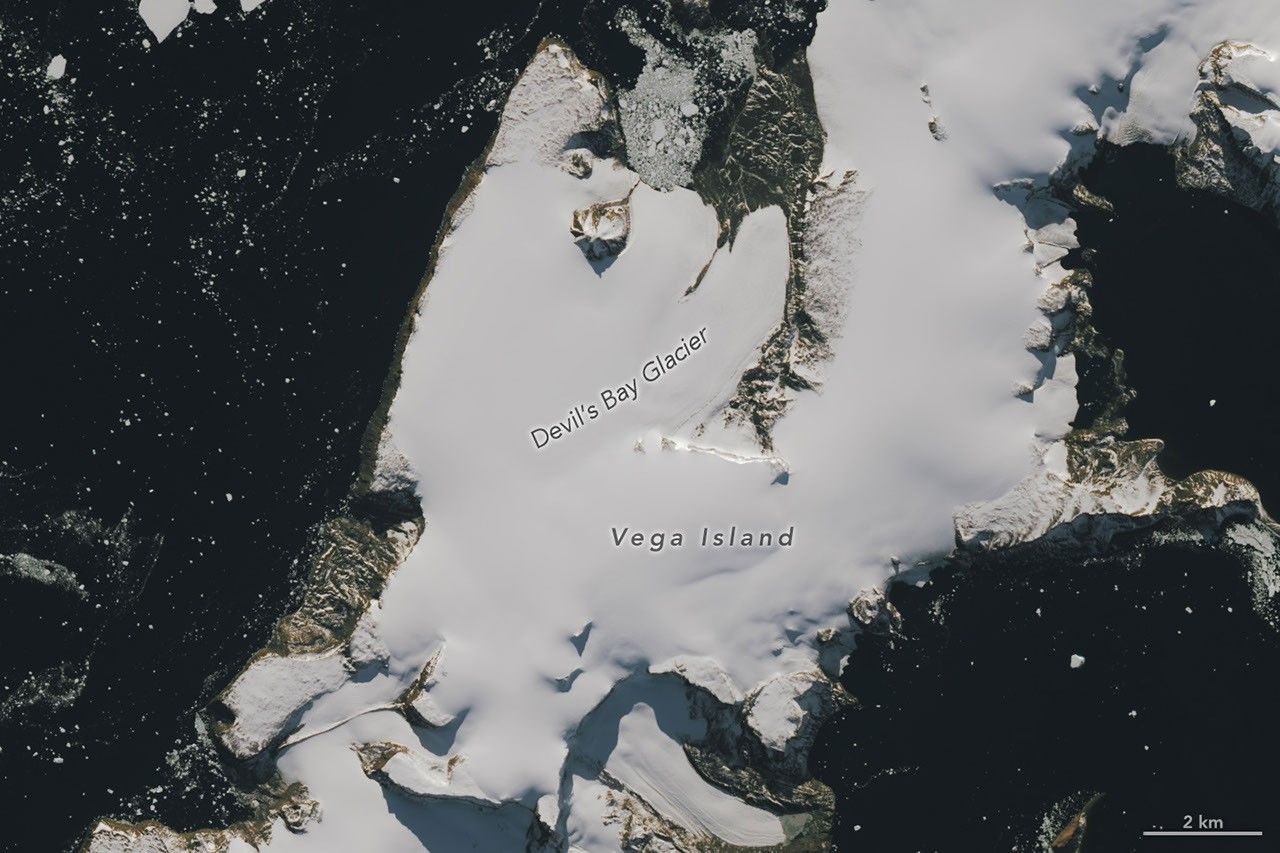
NASA satellite images revealed a skull‑like ice formation on Vega Island, Antarctica, on March 15, 2026. The shape, seen in high‑resolution optical and radar data, looks eerily similar to a human skull and could not have been captured by eye on the ground.
Vega Island lies in the rapidly warming Antarctic Peninsula, a region that has lost more than 50 percent of its ice cover in the last four decades. The skull pattern appears to be the result of differential melting and refreezing. As warm air and ocean currents melt the ice, meltwater pools and then refreezes around the island’s edges, carving a distinctive silhouette. The image is a stark visual reminder that the ice is not just shrinking, but reshaping in unexpected ways.
Scientists from the University of Cambridge and the British Antarctic Survey used Sentinel‑2 optical imagery and TerraSAR‑X radar to map the feature. They measured the skull‑shaped area to cover about 0.8 square kilometres. The melt rate in the surrounding ice shelves has accelerated to 3.2 metres per year, a 20 percent increase over the previous five‑year average. The team notes that such rapid changes could signal a tipping point for the peninsula’s ice dynamics and, by extension, global sea‑level rise.
The next step is a coordinated monitoring campaign that will combine satellite data with drone reconnaissance and on‑site temperature sensors. Researchers aim to model how the skull‑shaped ice will evolve over the next decade. The findings will feed into international climate models and help policymakers assess the urgency of reducing greenhouse‑gas emissions. The eerie image also serves as a powerful communication tool, illustrating the tangible impacts of climate change on Earth’s most remote landscapes.
Read Full Story at NASA →