US buildings at wildfire risk could triple to 4.5 million by 2060
By 2060, the number of buildings at risk from wildfires in the U.S. could increase from 1.5 million to approximately 4.5 million due to climate change and poor land management. This escalation poses …
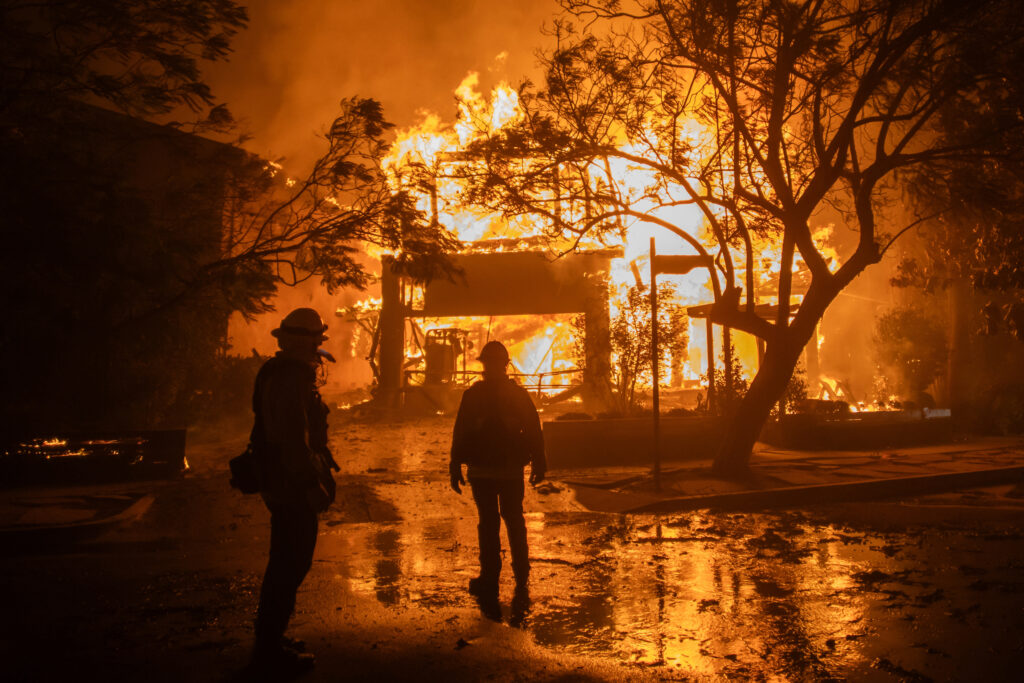
The number of buildings across the contiguous United States threatened by wildfires could almost triple by 2060, according to a new study published in Nature Communications. Researchers warn that if the nation continues to overlook the realities of climate change, mismanage its forests, and allow construction in fire-prone areas, the risks will only escalate.
This study arrives amid increasing awareness of the devastating impact of wildfires, which have become more frequent and severe in recent years. The summer of 2023 saw unprecedented wildfires across the West, with California, Oregon, and Washington experiencing some of the worst destruction on record. The changing climate, characterized by rising temperatures and prolonged droughts, has created ideal conditions for wildfires to thrive. Additionally, urban development in vulnerable areas, often referred to as the "wildland-urban interface," has compounded the problem, placing more structures and lives at risk.
The researchers estimate that by 2060, the number of buildings susceptible to wildfire damage could rise from 1.5 million to around 4.5 million. This increase represents a significant economic risk, with potential losses in property value, insurance costs, and emergency response expenses skyrocketing. Local communities may face heightened challenges in fire prevention and mitigation, as they struggle to protect homes and businesses from the encroaching flames. Experts emphasize that proactive measures, such as improved land management practices and stricter building codes, are essential to combat this looming threat.
Looking forward, the findings underscore the urgent need for a coordinated response to wildfire risks across the U.S. Policymakers, environmentalists, and community leaders must collaborate to create sustainable development plans that account for climate change and fire risks. As the impacts of wildfires continue to escalate, the choices made today will determine the safety and resilience of communities in the years to come. Addressing these challenges is not just about protecting property; it's about safeguarding lives and livelihoods in an increasingly volatile climate.
Read Full Story at Inside Climate News →