Terry Engelder's research sparks Pennsylvania fracking boom, raises environmental concerns
Terry Engelder's research on Pennsylvania's natural gas reserves launched a fracking boom that made the state the second-largest gas producer in the U.S. However, the environmental consequences of fr…
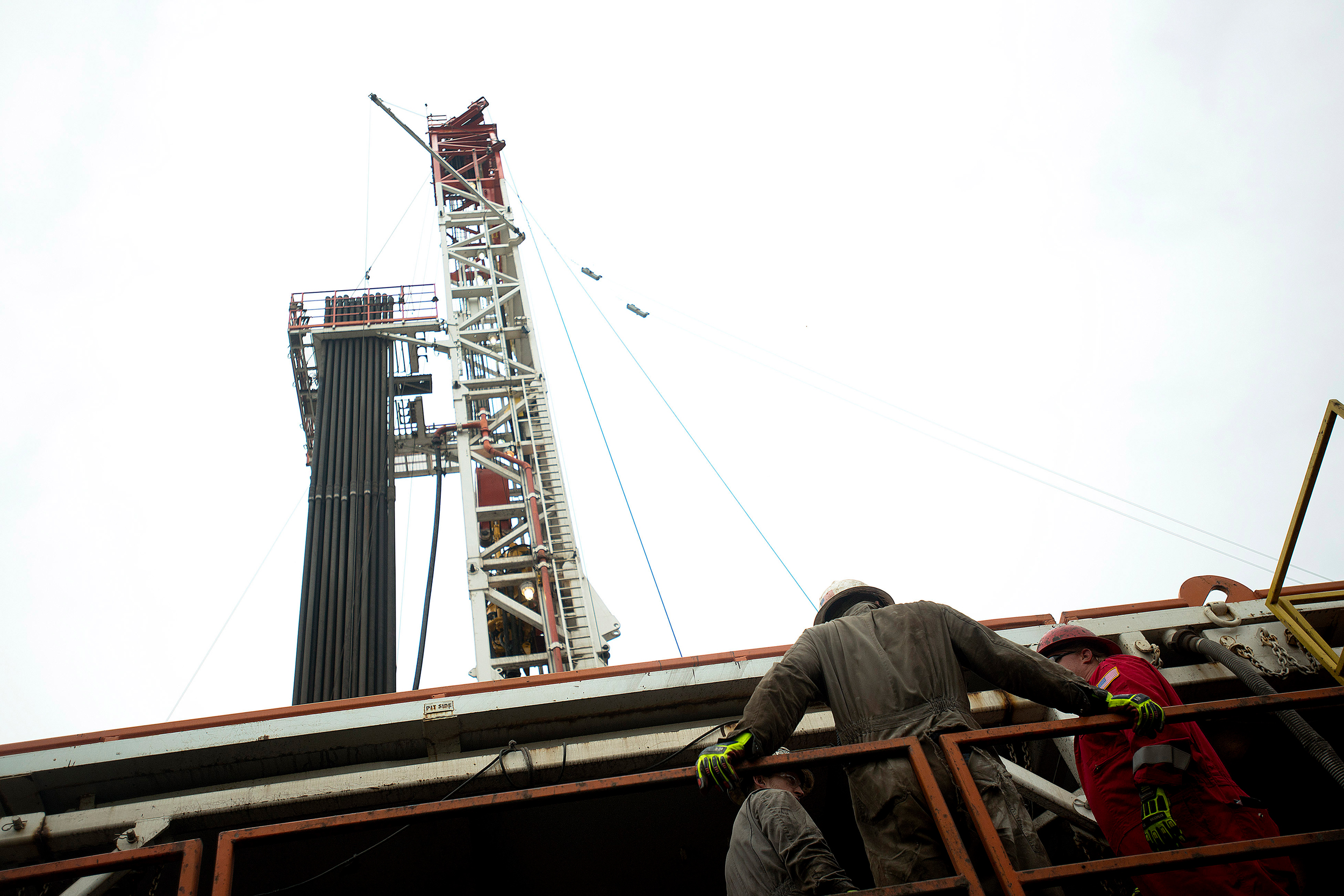
Almost 20 years ago, Penn State University geoscientist Terry Engelder published a groundbreaking estimate of the natural gas reserves beneath Pennsylvania. His research, which suggested the state had vast untapped resources, helped ignite the fracking boom that transformed Pennsylvania into the second-largest natural gas producer in the United States, trailing only Texas. Engelder's work signaled a shift in energy production, leading to an influx of drilling companies and investment in the region.
Engelder, who once viewed natural gas as a "bridge fuel" to a cleaner energy future, now reflects on the unexpected consequences of this boom. As natural gas became a primary energy source, it was celebrated for its potential to reduce reliance on coal and lower carbon emissions. However, the environmental impacts of fracking, including water contamination and increased greenhouse gas emissions, have raised significant concerns. The urgency of climate change has prompted a reevaluation of natural gas's role in America's energy strategy.
The scale of Pennsylvania's fracking industry is staggering. In 2022, the state produced more than 8 trillion cubic feet of natural gas, a significant portion of the national supply. While this growth has created jobs and stimulated local economies, it has also led to increased opposition from environmental groups and local communities. Activists argue that the health risks and environmental damage associated with fracking cannot be overlooked. The debate has intensified as policymakers weigh the economic benefits against the long-term ecological costs.
Looking ahead, the future of fracking in Pennsylvania remains uncertain. With growing pressure to transition to renewable energy sources, state and federal policies are likely to shift. Some lawmakers are advocating for stricter regulations on the fracking industry, while others push for continued investment in natural gas as a transitional energy source. Engelder's initial vision of natural gas as a bridge to a cleaner future is now under scrutiny, and how Pennsylvania navigates this complex landscape will have significant implications for both its economy and the environment.
Read Full Story at Inside Climate News →