The most popular Android phone brands rarely sold in the US
These phones are best-sellers elsewhere around the world, but US consumers probably haven't even heard of them. We may receive a commission on purchases made from links. Three of the world's top fi…
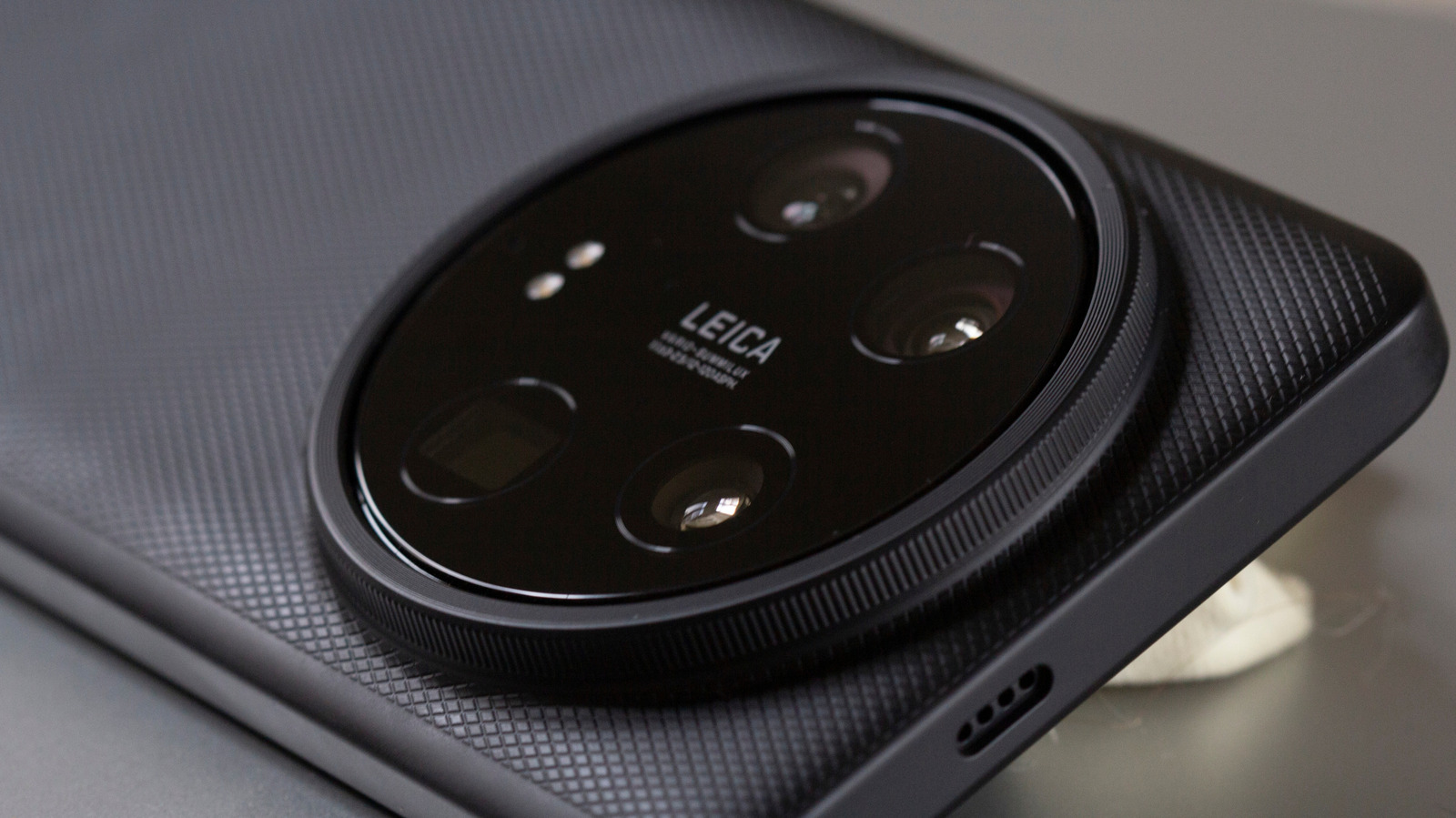
These phones are best-sellers elsewhere around the world, but US consumers probably haven't even heard of them.
Three of the world's top five smartphone makers (Xiaomi, Vivo and Oppo) are almost nowhere to be found in US retail. This isn't an oversight; rather, it's the result of carrier gatekeeping, geopolitical friction and business models that don't align with how phones are sold in America.
The gap is wider than most US consumers might realize. While shoppers in Europe, Asia and Latin America choose from a broad field of genuinely competitive devices, Americans are largely limited to Apple, Samsung and a handful of others. The rest of the global market, which includes brands that consistently outperform on cameras, charging speed and value, remain out of reach through official channels.
If you walk into any Verizon or AT&T store, your choices are predictable: iPhone, Samsung Galaxy, and maybe a Google Pixel or a Motorola. Meanwhile, Xiaomi, Oppo and Vivo — brands that ranked third, fourth and fifth in global smartphone shipments in Q2 2026 per Counterpoint Research — have no meaningful official presence in US stores.
The US carrier market is heavily dominated by Apple, Samsung, Google and Motorola. The good news is that these brands put out some amazing phones. However, the bad news is that there are plenty of major Android manufacturers that deliver even better devices that never make it into North America.
Xiaomi is one of the biggest Android smartphone brands, with some 6 percent of the global revenue and 12 percent of the shipment volume. Although it's not banned, Xiaomi chose not to sell its phones in the US to avoid the high cost of carrier certification and potential political risks.
Oppo was the world's fourth-largest smartphone vendor at the end of Q2 2026, with 7 percent of the global revenue share and 11 percent of all shipped devices. While there's no official ban on its products, Oppo chose not to enter the US market due to commercial strategy, heavy carrier distribution costs and the overall geopolitical friction. The company previously had an indirect US presence through OnePlus, but the brand is now exiting North America and Europe .
Vivo is the world's fifth-latest smartphone vendor. Much like the rest of the brands above, this Chinese brand stuck to European, Asian, Latin American and the Middle East markets and bypassed the US altogether.
Read Full Story at Engadget →