U.S. adds 368 utility-scale power plants in first half of 2023
In the first half of 2023, 368 utility-scale power plants began operations in the U.S., driven by a shift towards renewable energy and climate commitments. This surge, particularly in solar installat…
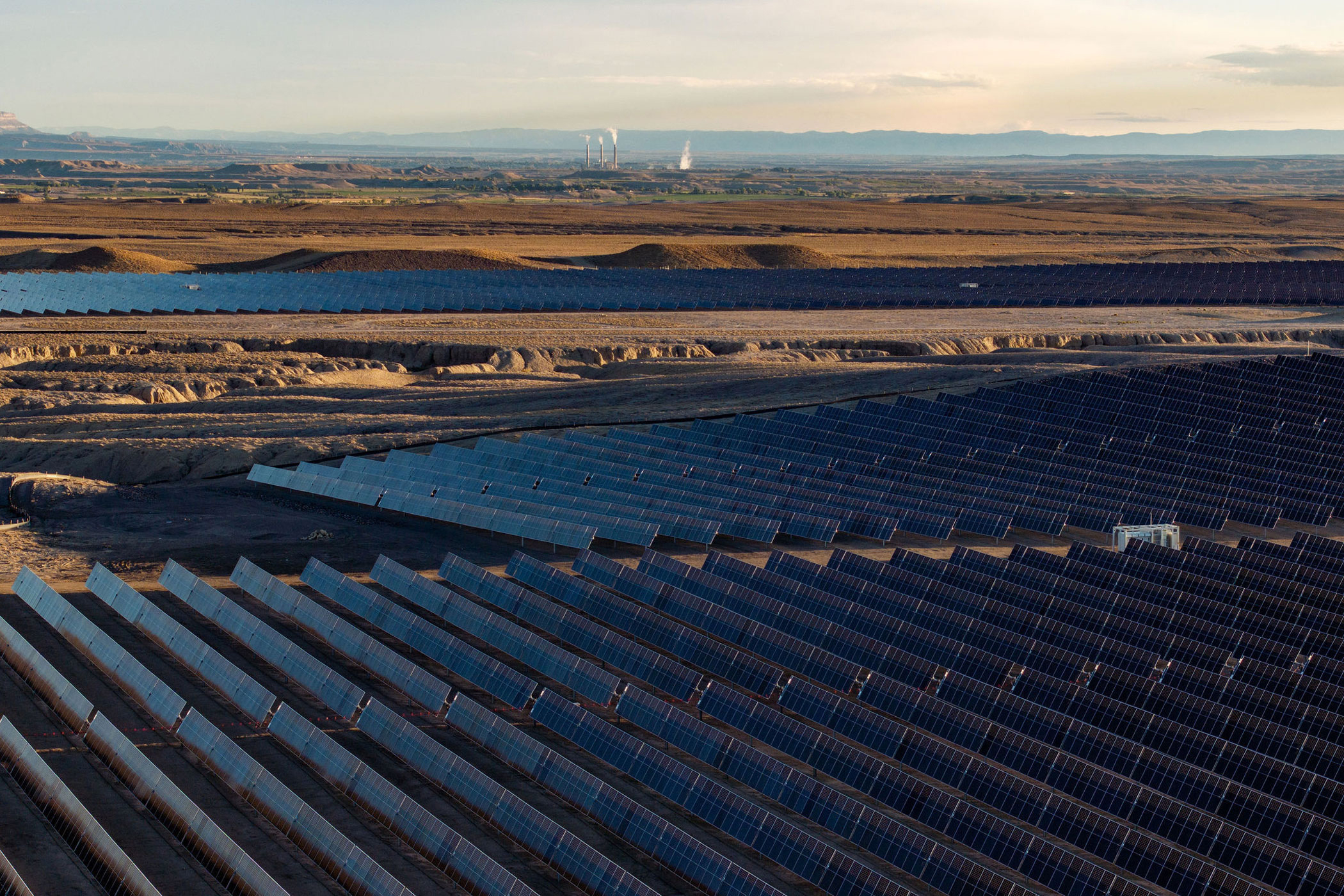
The U.S. power sector has seen a significant surge in new energy projects this year, with 368 utility-scale power plants coming online in the first half of 2023. This includes both massive natural gas facilities and a variety of renewable energy installations, signaling a pivotal shift in how the country generates electricity.
This surge is largely driven by increasing demand for cleaner energy sources and a push to meet climate commitments. The Biden administration's focus on renewable energy, coupled with state-level policies aimed at reducing carbon emissions, has created a favorable environment for investments in solar and wind power. Additionally, energy prices and supply chain issues have prompted utilities to diversify their energy portfolios, leading to a mix of traditional and renewable sources being deployed concurrently.
Among the new projects, solar energy installations have gained particular attention, reflecting a broader trend of transitioning towards more sustainable energy sources. According to the Solar Energy Industries Association, solar capacity in the U.S. is expected to double by 2025. The rapid deployment of these power plants, particularly in states like Texas and California, underscores a growing recognition of the importance of renewable energy in achieving energy independence and security.
Looking ahead, the continued development of renewable energy projects is crucial for reaching national climate goals. As more plants come online, the U.S. will not only reduce its reliance on fossil fuels but also create jobs in the green energy sector. The impact of these changes will be felt across the economy, influencing everything from energy prices to environmental policies, and shaping the future landscape of the American power grid.
Read Full Story at Inside Climate News →