Researchers use 1,200 Starlink satellites to map Earth's upper atmosphere
Researchers have repurposed data from 1,200 Starlink satellites to effectively map Earth's upper atmosphere, enhancing satellite tracking and collision prevention. This innovation is crucial as the n…
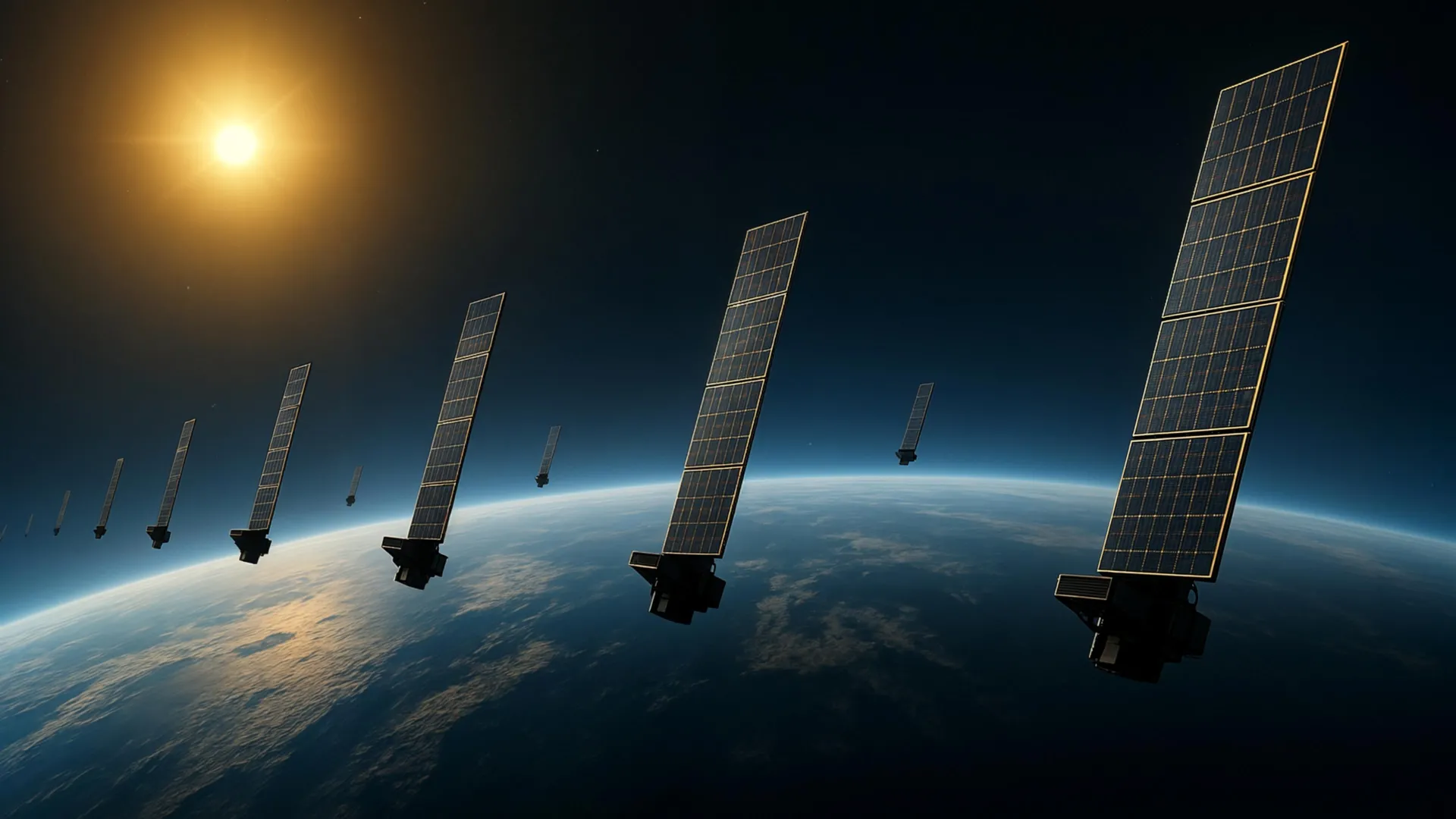
Researchers have successfully transformed data from approximately 1,200 Starlink satellites into a powerful tool for mapping Earth’s upper atmosphere. This innovative technique allows scientists to reconstruct changes in atmospheric density at about 500 kilometers above the planet. The findings were recently reported and could improve satellite tracking, addressing the rising concerns about collisions in increasingly congested orbital environments.
This development comes at a crucial time as the number of satellites in orbit continues to surge, driven largely by companies like SpaceX launching thousands of Starlink satellites to provide global internet coverage. As the orbital space becomes more crowded, the risk of collisions between satellites increases, which can create hazardous debris. Accurate mapping of the upper atmosphere is essential for predicting how atmospheric conditions can affect satellite trajectories and for preventing such collisions.
The researchers utilized signals from the Starlink satellites, which are equipped with advanced technology for communication. By analyzing these signals, they could infer atmospheric density changes and understand how these variations affect satellite motion. This approach not only enhances the safety of existing satellites but also aids in future missions by providing critical data for mission planning and risk assessment.
Looking ahead, this method could lead to a new era in satellite operations and space exploration. As more satellites are launched, a reliable understanding of the upper atmosphere will become increasingly vital. The findings could drive further innovations in satellite technology and operational protocols, ultimately making space travel safer and more efficient. The integration of commercial satellite data in scientific research also opens doors for new collaborations between private companies and academic institutions, paving the way for advancements in space science.
Read Full Story at ScienceDaily →