Satellite operators face crisis as SpaceX launch delays worsen
Satellite operators are in crisis due to significant delays in rocket launches, particularly affecting SpaceX, which has been crucial for deploying satellites. These delays threaten operators' busine…
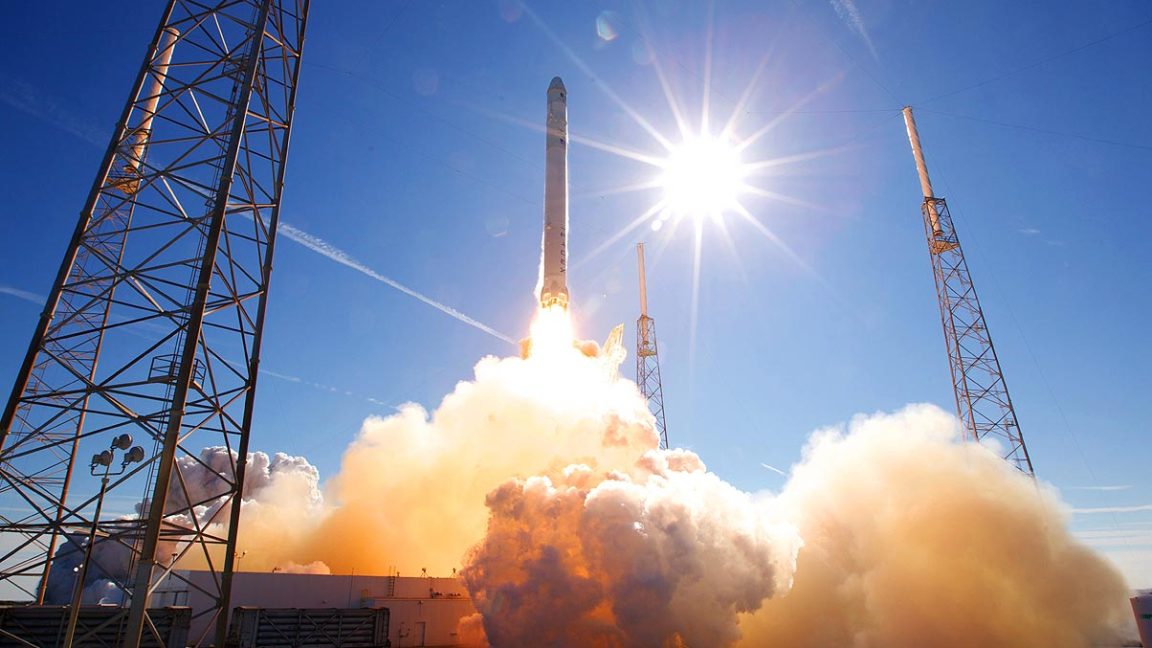
Satellite operators are facing a crisis as delays in rocket launches threaten their business models and project timelines. The situation has become increasingly urgent following a series of setbacks with major launch providers, including SpaceX’s Falcon rockets, which have been instrumental in delivering satellites into orbit. The mounting uncertainty has left operators scrambling to find alternative solutions to ensure their satellites are deployed on schedule.
This crisis is primarily a result of a combination of technical issues, regulatory challenges, and growing demand for satellite launches. SpaceX, which has been the dominant player in the launch market, has recently encountered delays due to technical mishaps and increased scrutiny from regulatory agencies. These delays have a cascading effect on satellite operators who rely on timely launches to meet contractual obligations and financial expectations. As more companies enter the satellite market, the demand for launch services has surged, exacerbating the challenges faced by existing providers.
Industry experts warn that if the launch delays persist, it could lead to a bottleneck in satellite deployments. This would not only impact current projects but also hinder future innovations in areas like broadband internet, Earth observation, and global communications. Companies that have invested heavily in satellite technology may find themselves unable to deliver services as promised, which could damage their reputations and financial stability. The situation is further complicated by the fact that some satellite operators have limited options for alternative launch providers, making them highly vulnerable to these disruptions.
Looking ahead, the satellite industry may need to adapt to the changing landscape. This might include diversifying launch options by exploring partnerships with emerging launch companies or investing in in-house launch capabilities. Regulatory bodies may also need to streamline processes to facilitate faster approvals for launches. The outcome of this crisis is critical, as the future of satellite communications and the broader space economy hangs in the balance. Without timely launches, the promise of a connected world could be delayed, impacting numerous sectors that depend on satellite technology.
Read Full Story at Ars Technica →