Samsung unveils AI memory, worsening consumer DDR5 shortage
Samsung unveiled next-gen 3D memory optimized for AI data centers. This focus on artificial intelligence intensifies supply shortages, keeping consumer DDR5 prices high.
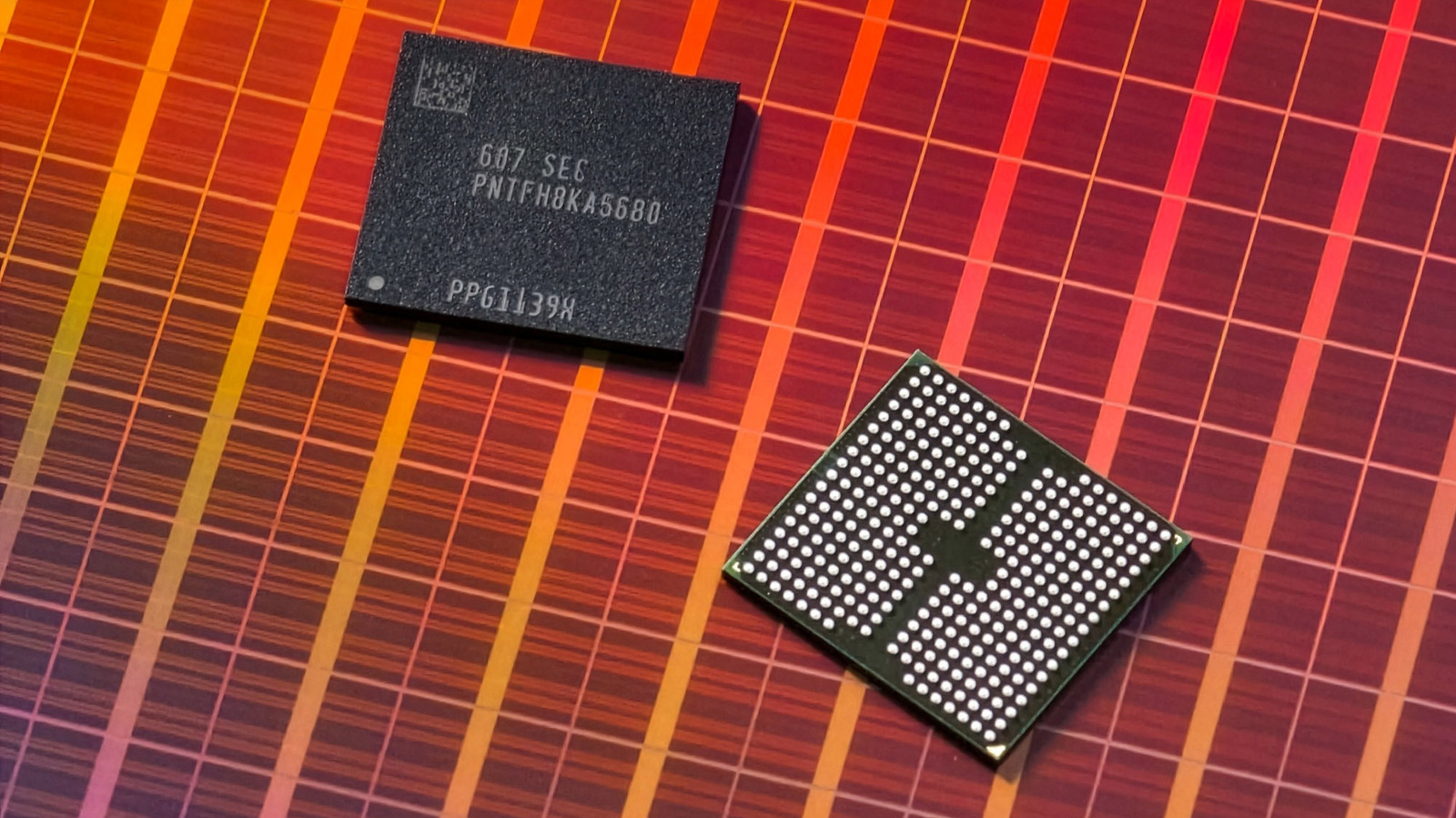
Samsung unveiled a suite of next‑generation 3D memory and storage technologies at the Future of Memory and Storage show in Santa Clara, California, on Thursday. The company called the new products zHBM, V10 BV‑NAND, zNAND‑O and LPDDR5X‑PIM, and warned that most of the capacity will be consumed by AI data centers rather than everyday consumer devices.
The announcement comes amid a surge in demand for high‑performance memory driven by the AI boom. As companies rush to train large language models, the market for HBM and other advanced memory has outpaced supply. The result is a spike in prices for everything from gaming consoles to laptops, as Samsung and its main rival SK Hynix struggle to keep up with the growing need for dense, fast memory.
zHBM is a new architecture that stacks HBM directly on top of AI accelerators, boosting performance by up to eight times and increasing energy efficiency threefold. It also uses wafer‑bonding techniques that raise memory density more than ten times over current HBM5. V10 BV‑NAND stacks over 400 layers of cells, giving a 58 percent density lift over V9 and faster read, write and I/O speeds. zNAND‑O targets edge AI, offering high space efficiency and low latency. LPDDR5X‑PIM is the first LPDDR memory that can process data inside the chip, reducing the need to move data between memory and CPU.
With Samsung and SK Hynix controlling the bulk of global memory production, the supply shortfall is tightening. The industry’s inability to meet AI’s memory appetite is driving up the cost of all electronics. The new technologies promise performance gains, but their primary market remains data centers, leaving consumers waiting for more affordable, high‑capacity memory in the near term.
Read Full Story at Engadget →