Researchers use quantum physics to verify location with single photon
Researchers have demonstrated a method to accurately verify an individual's location using a single photon, enhancing online security against digital impersonation. This quantum physics approach coul…
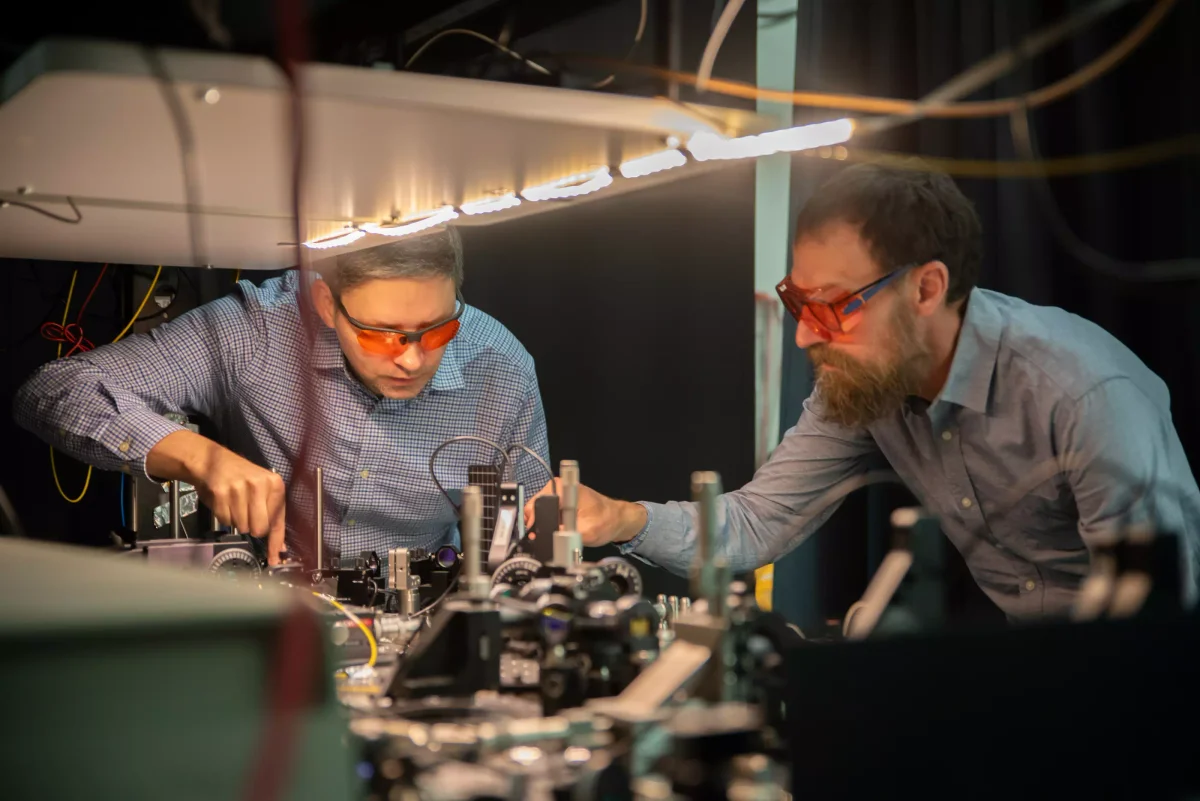
Researchers have successfully used a single photon and precise timing measurements to verify an individual's location in a groundbreaking experiment. This first-of-its-kind study, conducted by a team at a leading university, demonstrates a potential new method to combat digital impersonation and enhance online security. The findings were published in a recent issue of a scientific journal, marking a significant advancement in quantum physics and its applications in cybersecurity.
The rise of digital technologies has led to an increase in online fraud and identity theft. As criminals become more sophisticated, traditional methods of verifying identity, like passwords and security questions, are often inadequate. This experiment addresses a pressing need for reliable authentication methods. By utilizing the principles of quantum physics, researchers aim to create a system that is more secure than current techniques. The ability to prove one’s location with such precision could be a game changer in fields ranging from finance to personal data protection.
In the experiment, the researchers tracked the behavior of a single photon, using its unique properties to establish a person’s physical location. The timing of the photon’s arrival was measured with extreme accuracy, allowing the team to determine whether the individual was where they claimed to be. This approach not only improves security but also has implications for various applications, including secure communications and verification processes in various industries.
Looking ahead, the implications of this research could reshape how identities are verified online. As the technology matures, it could lead to the development of new security protocols that incorporate this quantum method. This could significantly reduce the risk of identity theft and fraud, fostering greater trust in digital transactions. As the world becomes increasingly reliant on online interactions, ensuring the authenticity of individual identities will be crucial for maintaining security and privacy.
Read Full Story at Scientific American →