Georgia court sentences Dontavious Dickens to life for Lilith Avery’s murder
A Georgia court sentenced Dontavious Lamont Dickens to life without parole for murdering 17-year-old Lilith Avery in 2022, but her body was never found, leaving her family without closure. The case h…
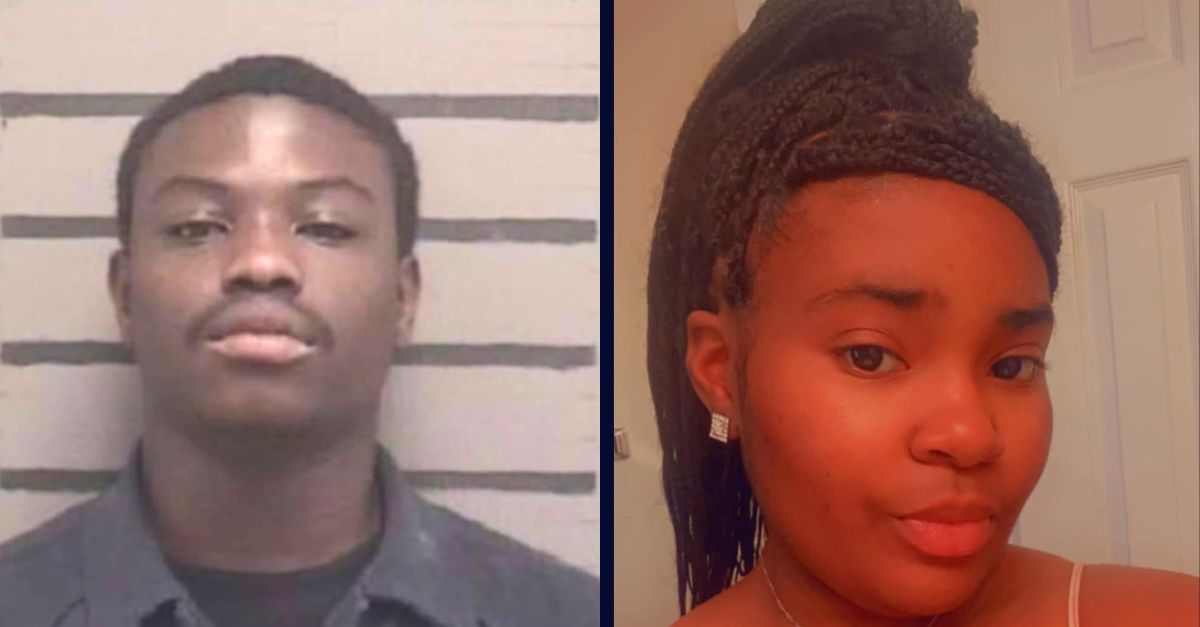
A Georgia mother stood in a courtroom Friday, her voice trembling as she begged the man convicted of killing her daughter to tell her where the girl’s body was hidden. The killer, sentenced to life without parole for the 2022 murder of 17-year-old Lilith Avery, sat stone-faced and silent, his hands clasped in front of him. Avery’s mother, Lisa Avery, addressed him directly from the witness stand, pleading for closure. “Please tell me where my baby is,” she said, her words echoing through the courtroom. “I need to know where my child is so I can give her a proper burial.”
The case dates back to October 2022, when Lilith Avery was reported missing from her home in Thomasville, a small city in southwest Georgia. Her disappearance sparked a massive search involving local law enforcement, volunteer search teams, and even cadaver dogs. Weeks later, authorities arrested 28-year-old Dontavious Lamont Dickens after witnessing his erratic behavior and finding inconsistencies in his statements. Surveillance footage placed him near Avery’s home the night she vanished. Investigators later confirmed a connection between the two: they were distant relatives, and Dickens had been seen with Avery on the night of her disappearance. In May 2024, a jury found Dickens guilty of murder, kidnapping, and concealing a death after the body was never recovered.
During Friday’s sentencing hearing, Lisa Avery described the agony of not knowing where her daughter’s remains were. “Every night, I go to bed wondering if she’s cold, if she’s alone,” she told the court. The prosecution also presented evidence that Dickens had attempted to hide evidence, including disposing of Lilith’s phone and trying to clean up bloodstains at his residence. The judge sentenced Dickens to life without parole, ensuring he will never walk free. But the absence of a body means the Avery family will never have a gravesite to visit, a torment shared by families of missing persons across the country.
The case highlights the devastating long-term impact of incomplete recoveries in homicide investigations. For families, the lack of a body can prolong grief and delay healing, while law enforcement continues to search for answers. With the killer now behind bars, the focus shifts to whether new leads or technological advances—such as genetic genealogy or improved forensic methods—might one day help locate Lilith Avery’s remains. Until then, her mother’s plea remains unanswered, a haunting reminder of the unfinished business left by violent crime.
Read Full Story at Law & Crime →