Paxton and Talarico use differing Christian views to sway Texas voters
Texas Attorney General Ken Paxton and Democratic state representative James Talarico are using contrasting interpretations of Christianity to appeal to voters, with Paxton promoting traditional value…
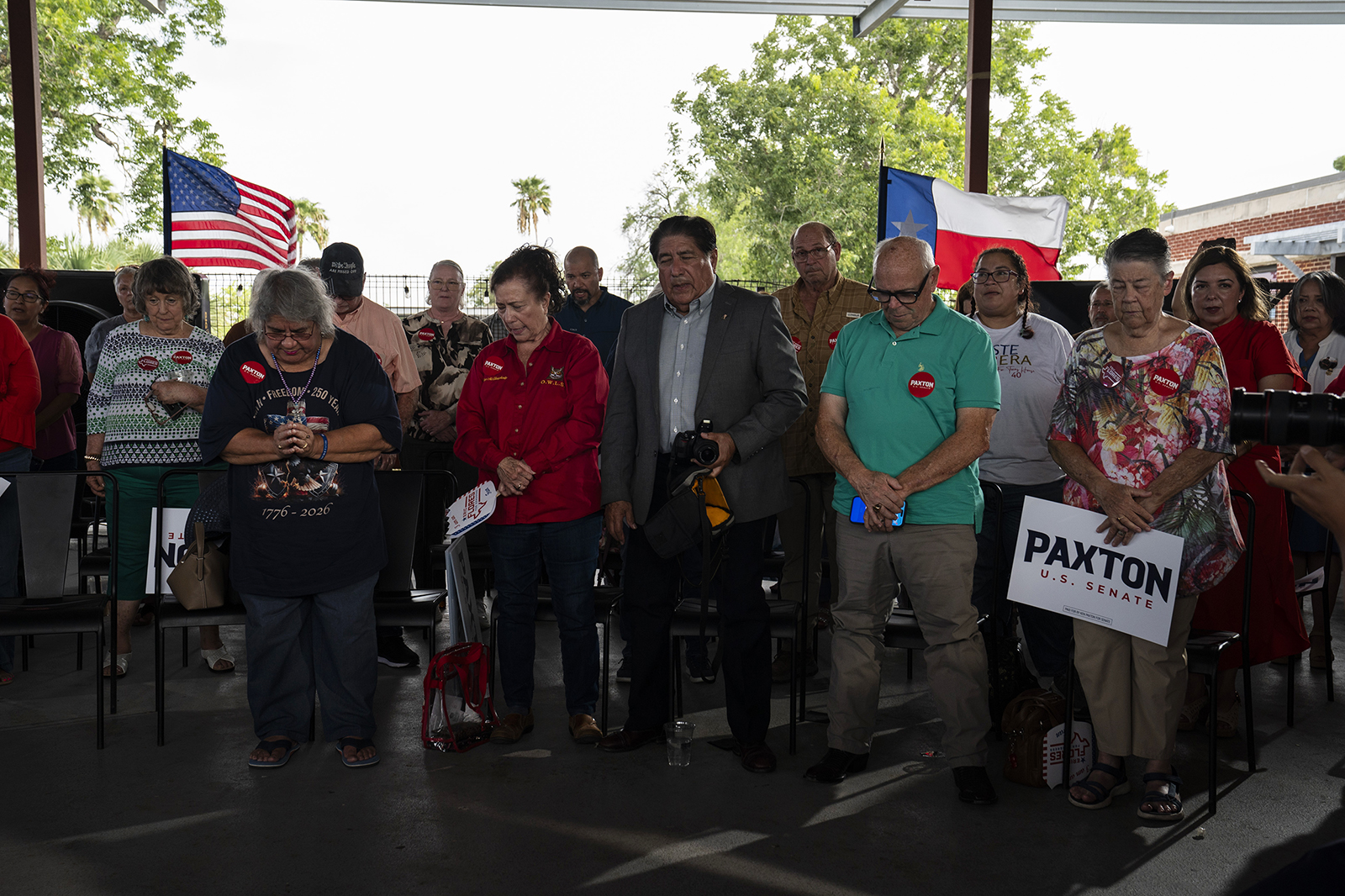
Texas Attorney General Ken Paxton and Democratic state representative James Talarico are presenting starkly different interpretations of Christianity as they campaign for voter support ahead of the upcoming elections. Both candidates are leveraging their faith to connect with Texas voters, but their messages resonate with competing visions of what Christianity means in today’s political landscape. This contrast is becoming increasingly pivotal as the state prepares for a closely watched election cycle.
The significance of this clash stems from Texas's deep religious roots, where approximately two-thirds of the adult population identifies as Christian. In a recent survey, 45% of Texans reported that religion plays a "very important" role in their lives. As such, candidates are keenly aware that appealing to voters through religious rhetoric can be a powerful tool. Paxton emphasizes a conservative, traditional view of Christianity that aligns with the Republican Party’s values, focusing on issues such as abortion and gun rights. In contrast, Talarico promotes a more inclusive and progressive interpretation, advocating for social justice and LGBTQ+ rights as integral to his Christian faith.
This ideological battle is not just about religious beliefs but also reflects broader societal divisions. Voters are increasingly polarized over issues like education, health care, and civil rights, making the candidates’ religious narratives pivotal in swaying undecided voters. Each candidate’s faith-based appeal could mobilize different segments of the electorate. Paxton’s supporters may resonate with his calls for preserving traditional family values, while Talarico’s platform may attract younger voters and those seeking progressive change.
As the election approaches, the candidates will likely intensify their focus on these contrasting religious viewpoints. With Texas being a significant battleground state, the outcomes here could influence national conversations about the role of religion in politics. How voters respond to these differing interpretations of Christianity could shape not only local governance but also set a precedent for how faith is integrated into political discourse across the country.
Read Full Story at Religion News Service →


