NASA's Voyager spacecraft continues to send data from interstellar space
NASA's Voyager spacecraft, launched in 1977, utilized a rare planetary alignment to explore the outer solar system, delivering groundbreaking data on gas giants and their moons. Today, they continue …
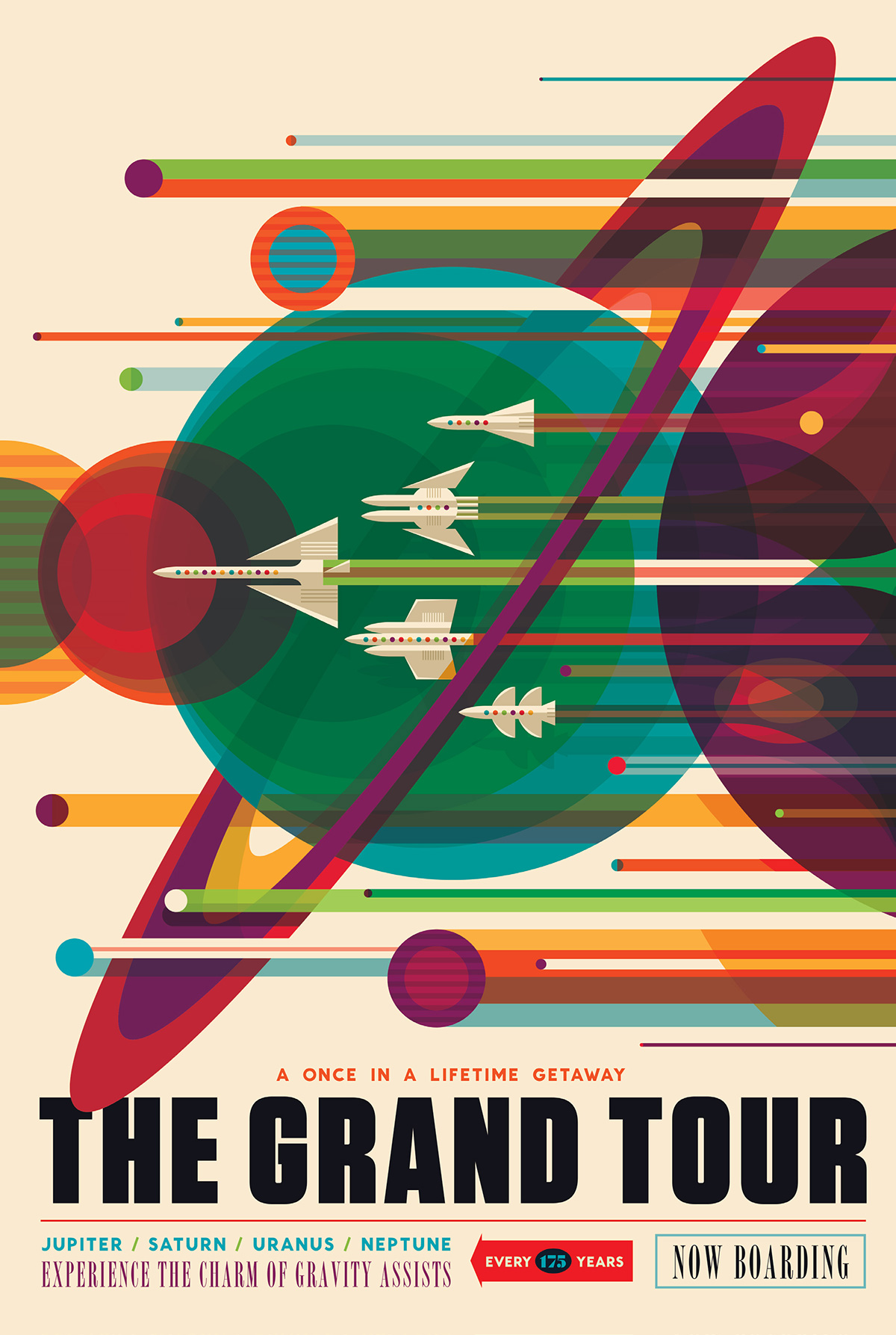
NASA launched the twin Voyager spacecraft on September 5, 1977 from Cape Canaveral, taking advantage of a rare planetary alignment that occurs only once every 175 years. Voyager 1 and Voyager 2 were sent on a “Grand Tour” of the outer solar system, using a series of gravity assists from Jupiter, Saturn, Uranus and Neptune to reach the distant giants with limited fuel.
The alignment of the four largest planets made the mission possible. In a straight line, the planets could slingshot the probes from one to the next, saving the energy that would otherwise be needed for a long‑duration burn. Engineers and scientists spent years calculating the precise trajectories required for six gravity assists, a technique that had never been tried on such a scale. The mission grew out of earlier deep‑space attempts, including the 1972 Mariner 10 flyby of Mercury, and reflected a new confidence in using planetary gravity to extend a spacecraft’s reach.
The Voyagers delivered the first close‑up images of the gas giants and their moons. Voyager 1 revealed Jupiter’s raging storms and the volcanic eruptions on Io, while Voyager 2 captured the intricate ring system of Uranus and the supersonic winds of Neptune. Both probes discovered dozens of new moons and provided data that reshaped our understanding of planetary atmospheres, magnetic fields and radiation belts. Decades later, Voyager 1 crossed into interstellar space in 2012 and Voyager 2 followed in 2018, becoming the most distant human‑made objects ever launched.
NASA now runs the Voyager Interstellar Mission, listening to faint signals that travel more than 23 billion kilometres. The probes continue to send back measurements of cosmic rays and magnetic fields, offering a unique window into the space between stars. Their longevity informs the design of future missions such as the Europa Clipper and the proposed Interstellar Probe, which will build on the Voyager legacy to explore the outer reaches of our solar system and beyond. The 2027 anniversary of the launch reminds the public that a daring gamble made in the 1970s still shapes planetary science today.
Read Full Story at NASA →