China confirms 43 dead, 519 missing in Nepal floods
China confirmed 43 deaths and 519 missing after Himalayan floods hit Nepal and Tibet. This disaster highlights climate change risks and the urgent need for cross-border cooperation and better infrast…
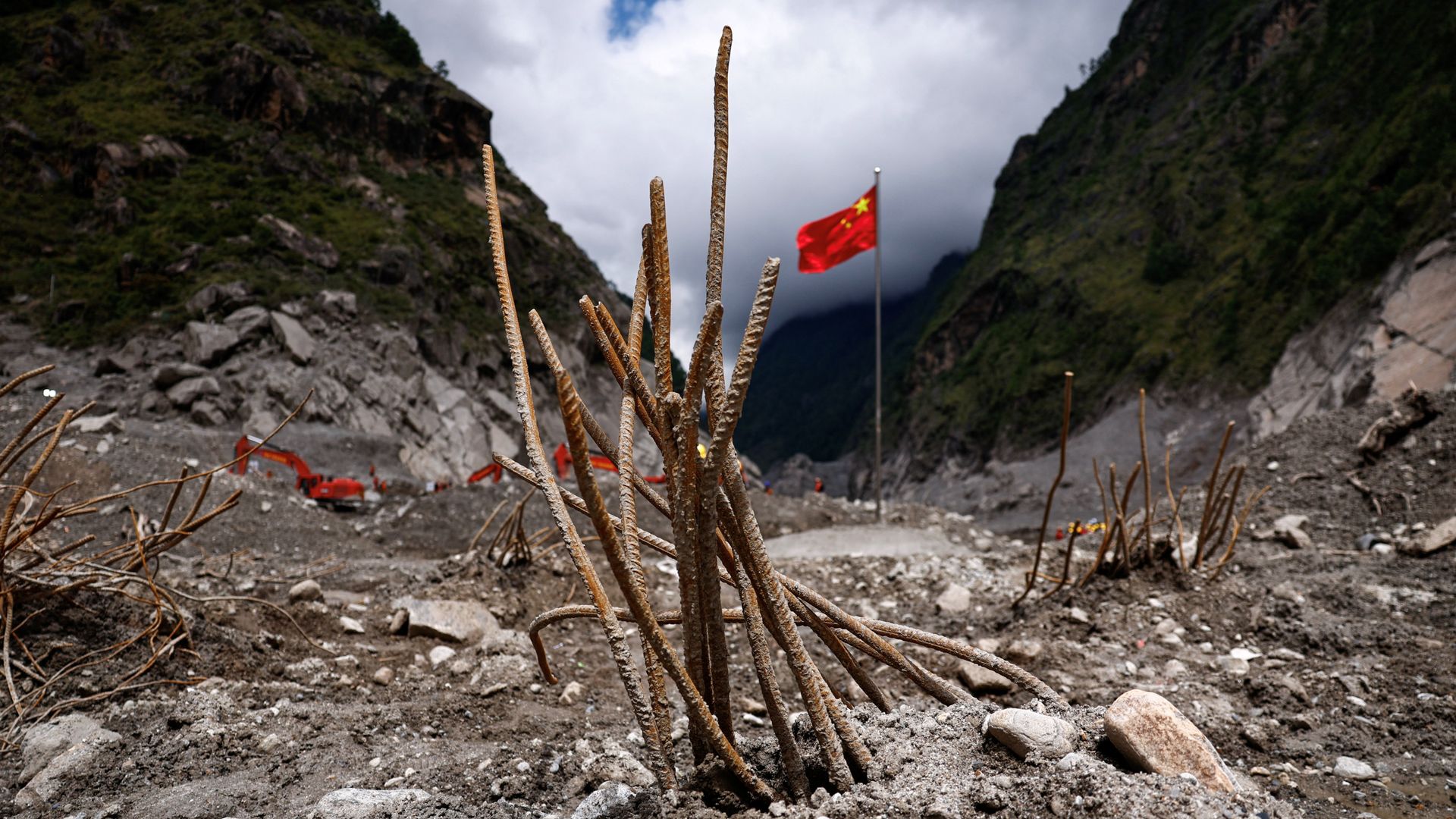
China has confirmed that 43 people are dead and 519 still missing after flash floods hit Nepal and Tibet over a week ago. The floods began in early August when heavy monsoon rains and rapid glacier melt in the Himalayas released huge volumes of water. Rivers surged, walls collapsed and dozens of villages were swept away. The Chinese government has been coordinating rescue teams with Nepalese authorities and has deployed search helicopters and ground units to the most affected areas.
The disaster matters because the Himalayan region is increasingly vulnerable to extreme weather. Climate change has made monsoon rains more intense and glaciers thinner, raising the risk of sudden floods. Nepal’s infrastructure, especially in remote districts, is fragile and often built on unstable slopes. The loss of life and displacement of communities highlight the urgent need for better early‑warning systems and stronger flood defenses. The incident also underscores the importance of cross‑border cooperation, as rivers that cross from Nepal into China can carry debris and water downstream, affecting millions of people.
In the first week after the floods, Nepal’s Ministry of Home Affairs reported 25 confirmed deaths and 300 missing. Chinese officials added 18 more fatalities and 219 missing, bringing the totals to 43 and 519. Rescue operations have involved local volunteers, the Nepal Army, and Chinese disaster‑management teams. Engineers are working to clear debris from highways that connect Kathmandu to the border. Humanitarian aid from the UN and private NGOs is being routed through Kathmandu and the border town of Kodari. The numbers are still rising as search teams continue to comb the remote valleys.
What happens next is critical. Chinese and Nepalese authorities have pledged to maintain a joint task force for the next 30 days. They plan to deploy additional helicopters, set up temporary shelters, and provide medical care for the injured. The governments are also reviewing flood‑risk maps to identify vulnerable villages for future protection projects. This tragedy could prompt a new regional agreement on climate‑resilient infrastructure. The world will watch how the two countries respond, as their cooperation could set a precedent for handling shared natural hazards in the Himalayas.
Read Full Story at Sky News →