Near-total lunar eclipse turns moon red for Americas
A near-total lunar eclipse covers 96% of the moon, giving Americas viewers a safe, red-tinted spectacle. This event balances the recent solar eclipse, ensuring the hemisphere enjoys both major celest…

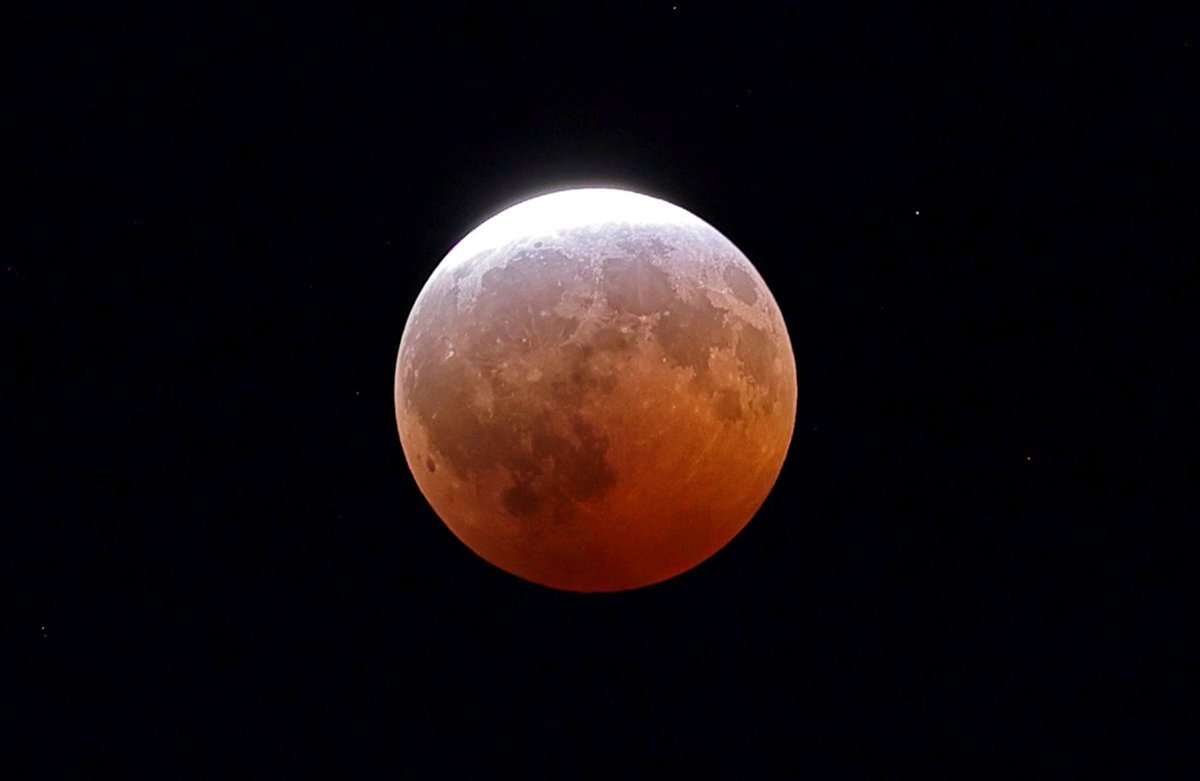
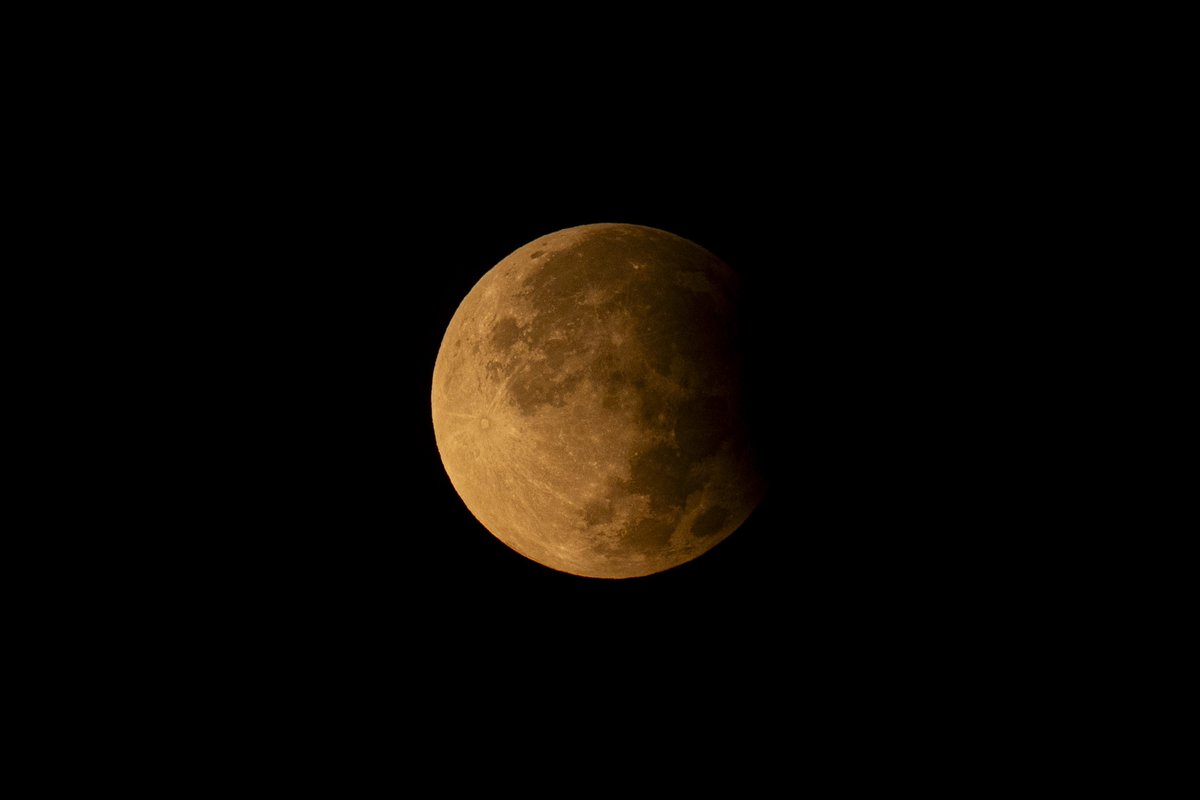
A near-total lunar eclipse will sweep across the night sky on Thursday into Friday, offering observers in the Americas a rare and dramatic celestial event. While much of the western hemisphere was left in the dark during the total solar eclipse earlier this month, this upcoming lunar event places North and South America in the prime viewing position. At its peak, Earth’s shadow will cover approximately 96 percent of the moon’s surface, creating what astronomers classify as a deep partial eclipse. This means that while the moon will not be completely engulfed in darkness, it will appear significantly dimmed and tinged with a rusty red hue for the majority of its visible face. Unlike solar eclipses, which require special eye protection and are visible only from a narrow path, this lunar eclipse is safe to view with the naked eye and will be visible to anyone with a clear view of the moon throughout the Americas.
This event serves as a celestial consolation prize for those who missed the path of totality during the April 8 total solar eclipse. The mechanics of the two events are mirror images of each other. In a solar eclipse, the moon passes between the Earth and the sun, casting a shadow on our planet. In a lunar eclipse, the Earth passes between the sun and the moon, casting its shadow on the satellite. The timing is not coincidental. Solar and lunar eclipses often occur in pairs, separated by roughly two weeks, as the orbits of the Earth and moon align in specific ways known as eclipse seasons. This particular alignment allows the Americas to dominate the viewing experience for both major events of the year. The 96 percent coverage is significant because it approaches the threshold of a total eclipse, which requires 100 percent coverage. This depth of shadow creates a more pronounced color change, as sunlight passes through Earth’s atmosphere and bends toward the moon, filtering out blue light and allowing only red wavelengths to reach the lunar surface.
The visual spectacle will be most intense during the partial phases, which will last for several hours. Observers should look for the shadow creeping across the moon’s disk in the early evening hours, reaching its maximum coverage just before midnight in many parts of the United States. The exact timing varies by location, but the event will be visible from sunset to sunrise across the entire western hemisphere. Cloud cover will be the only major obstacle, so checking local weather forecasts is advisable. The red color of the moon, often referred to as a blood moon, will be more subtle than in a total eclipse because a sliver of the moon will remain in direct sunlight. This contrast between the bright, unshadowed crescent and the dim, reddish bulk of the moon creates a striking visual effect that is easily captured by smartphone cameras.
This eclipse marks the final total or near-total lunar eclipse visible from the Americas until 2025. While partial lunar eclipses occur more frequently, an event with such high coverage is relatively rare. For amateur astronomers and casual stargazers alike, this offers a low-barrier opportunity to engage with astronomy without the logistical challenges of traveling to a specific path of totality. It also provides a unique educational moment to demonstrate the geometry of the solar system. The shadow of the Earth is always round, regardless of the time of day or the angle of the sun, providing tangible evidence of the planet’s spherical shape. As the moon emerges from the shadow in the early hours of Friday, the event will conclude, leaving the night sky clear once more. This celestial performance serves as a reminder of the predictable, rhythmic dance of our cosmic neighbors, offering a moment of shared wonder for millions of people across two continents.
Read Full Story at Phys.org →