cobalt
Deep-sea mining targets metal-rich nodules that previously appeared lifeless actually host diverse ecosystems. This discovery challenges industry plans to extract cobalt and nickel, prompting calls f…
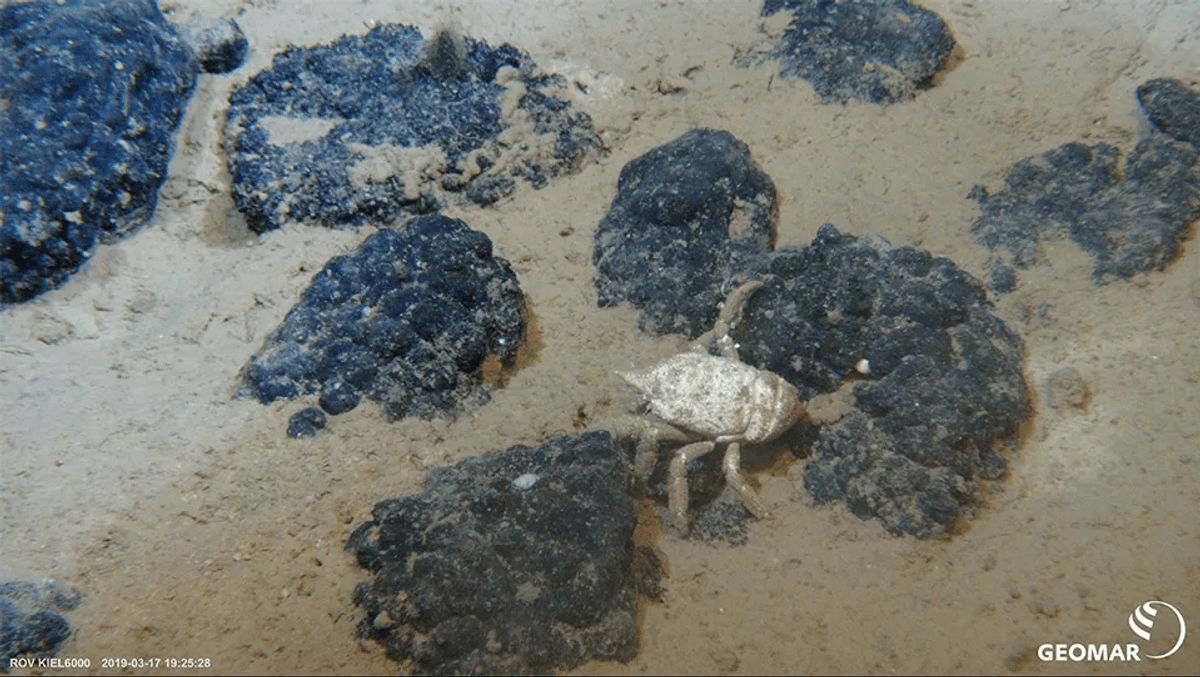
Scientists have discovered that the metal‑rich nodules that sit on the ocean floor also support a surprisingly diverse array of marine life, a finding that could reshape plans to mine the deep sea for cobalt, nickel and manganese. The study, published last week in *Scientific American*, used remotely operated vehicles to sample nodules in the Clarion‑Clipperton Zone of the Pacific Ocean, an area that lies more than 4,000 meters below the surface. The researchers found dozens of species living on the nodules, from sponges and tube worms to small crustaceans and algae, all of which depend on the hard, mineral surface for shelter and food.
The discovery matters because the nodules are the target of a growing mining industry that sees them as a future source of critical metals for batteries, wind turbines and electric cars. For years, oceanographers believed that the nodules were essentially lifeless rocks, and that any mining would only displace a few species. However, the new data show that the nodules are home to a complex ecosystem that could be disrupted by dredging. The study also highlights how little we know about deep‑sea life, and how quickly human activity can alter it. The research was carried out by a team from the University of Washington and the National Oceanic and Atmospheric Administration, and it followed a decade of international debate over whether to grant mining permits in the area.
Environmental groups have reacted strongly, calling for a moratorium on mining until a full environmental impact assessment is completed. Mining companies, meanwhile, argue that the industry can operate responsibly if it follows strict guidelines. The International Seabed Authority, which regulates deep‑sea mining, has already requested more data on the ecological value of the nodules. In the United Nations, the 2018 Convention on Biological Diversity has urged countries to consider the potential loss of unique ecosystems before granting mining rights.
What happens next will shape the future of deep‑sea resource extraction. The International Seabed Authority is scheduled to review new scientific findings in 2025, and several countries have already paused their bidding processes. Scientists are pushing for a global agreement that balances the need for metals with the protection of marine biodiversity. If the nodules are protected, it could set a precedent for other deep‑sea habitats, forcing a rethink of how we value and manage the planet’s last frontiers.
Read Full Story at Scientific American →