Abdul El-Sayed's win revives Medicare for All debate in Michigan
Democratic Senate candidate Abdul El-Sayed's victory in Michigan revives the "Medicare for All" debate, with new senators joining the push for universal healthcare amid public dissatisfaction with ri…
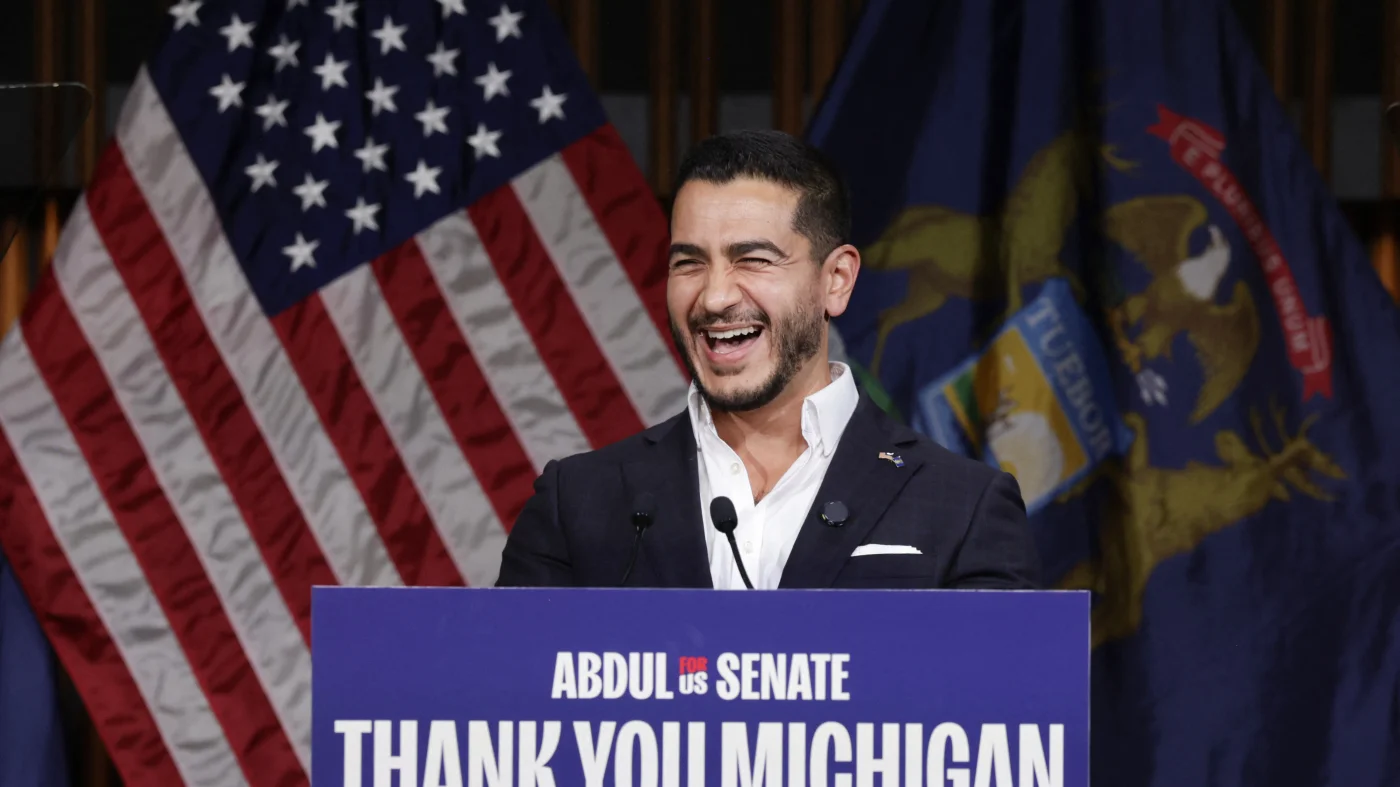
Democratic U.S. Senate candidate Abdul El-Sayed has reignited the debate over "Medicare for All" following his election victory in Michigan on November 4, 2026. El-Sayed centered his campaign around this slogan, promising voters a shift towards universal healthcare. With new Democratic senators-elect from states like Maine, Iowa, and Texas joining him, the party is poised to push for substantial healthcare reforms amid growing public dissatisfaction with current healthcare costs.
The renewed focus on "Medicare for All" comes on the heels of midterm elections where healthcare affordability was a prominent issue. Voters expressed frustration over rising costs, prompting many candidates to advocate for government-funded health coverage. While there is broad support among Democrats for making healthcare more accessible, past attempts to enact significant reforms have often faltered due to deep divisions within the party. Historical efforts, such as the Clinton health reform in the 1990s and the Affordable Care Act in 2010, faced internal disagreements between those advocating for comprehensive changes and those preferring more moderate, incremental solutions.
Despite its popularity in theory, the concept of "Medicare for All" remains vague for many Americans. Law professor Nicholas Bagley notes that while the phrase evokes a positive response, people often lack a clear understanding of what it entails. Public opinion research reveals that support for the policy fluctuates significantly based on how it is framed. Mollyann Brodie from KFF highlights that when described as a right to healthcare or a means to reduce costs, approval ratings can soar to three-quarters. Conversely, when associated with tax increases or threats to existing Medicare, support can plummet to as low as 20 percent.
Looking ahead, the challenge for Democrats will be to unify their messaging and navigate the complexities of healthcare reform. As new lawmakers prepare to take office, the outcome of this renewed push for "Medicare for All" will hinge on their ability to bridge the divide within the party and present a cohesive vision to the public. The stakes are high, as healthcare remains a top concern for voters, making it a critical issue for the party's future success.
Read Full Story at NPR Health →