Iran's inflation hits 69%, middle class pushed into poverty
Iran's middle class faces severe economic strain due to soaring inflation—now forecast at 69%—and a shrinking economy (-5.4%), pushing food prices up by over 100% and pushing millions into poverty. T…
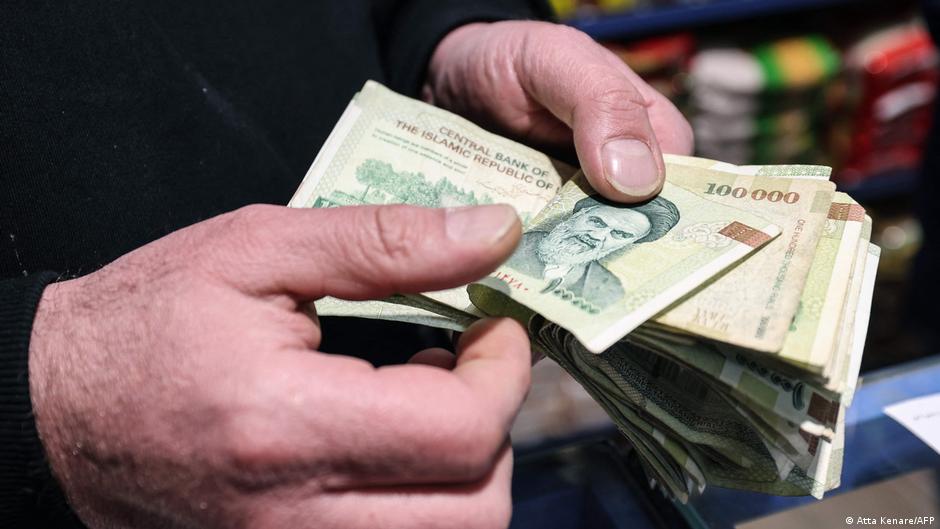
Mina, a housewife in Tehran, says the war in Iran isn't measured in missiles or news conferences—it's measured in empty plates. Since fighting escalated last year, her family has dropped from beef to chicken, then from chicken to whatever the market has left. "We used to save for emergencies," she told DW. "Now we just try to pay the rent and keep food on the table."
The economic crunch has deep roots. Even before the war, Iran was grappling with inflation above 40%, a weakening currency, chronic budget deficits and years of sanctions. The war acted like a match tossed into dry grass. Infrastructure damage, disrupted shipping through the Strait of Hormuz, internet blackouts and soaring inflation expectations have pushed purchasing power into freefall. The International Monetary Fund now forecasts the economy will shrink by 5.4% this year while inflation could hit 69%.
Food prices are leading the surge. Bread and cereals have jumped by 140% over the past year, meat and poultry by 135%, dairy by 116% and edible oils by more than 200%. For countless families that means smaller portions, delayed medical care and abandoned savings plans. Economists say middle-class households are cutting travel and clothing first. When inflation drags on, the belt-tightening spreads to food, healthcare and education—pushing once-secure salaried workers and pensioners below the poverty line for the first time.
Ahmad Alavi, a Sweden-based economist, estimates the number of Iranians living in poverty has risen by 3.5 to 4.5 million since the conflict worsened, bringing the total to more than 40 million people. Meanwhile, regional trade is being reshaped. Morteza, an Iranian trader, says Chinese suppliers have filled gaps left by Dubai-based exporters as shipping through the Strait of Hormuz has grown riskier. "China ships goods by rail across Central Asia," he said, "skirting the delays and dangers of sea routes." The squeeze on Iran’s middle class is tightening, and the ripple effects are reordering commerce across the region.
Read Full Story at DW World →


