Is Bangladesh backtracking on post-Hasina reforms?
Just two years after a student-led uprising ended the nearly 16-year rule of Sheikh Hasina , many fear Bangladesh is slipping backward. With Hasina, now in exile in India , planning a return in Dece…
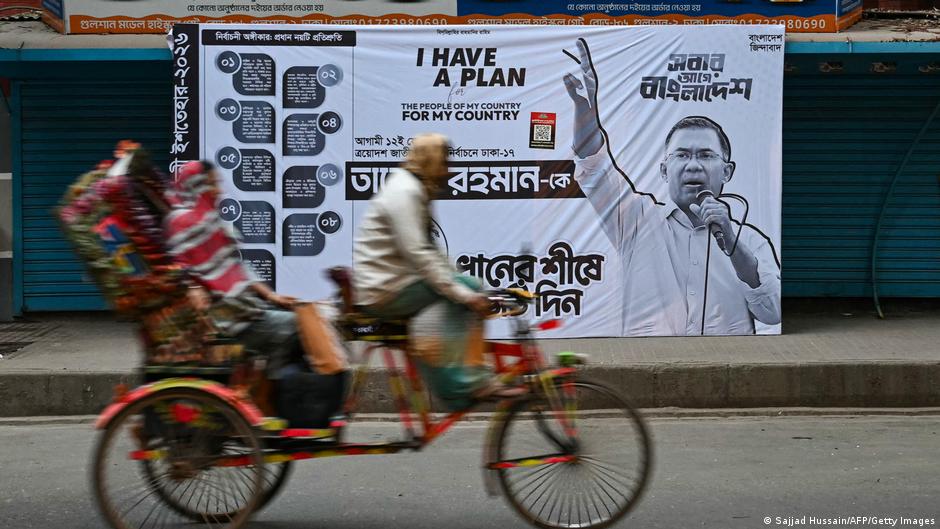
Just two years after a student-led uprising ended the nearly 16-year rule of Sheikh Hasina , many fear Bangladesh is slipping backward.
With Hasina, now in exile in India , planning a return in December and critics accusing the current government of failing to deliver on its promises, the country's political future is once again in doubt.
"At the end of the day, we did not see the elimination of discrimination, the creation of an inclusive society, or the new political order that was promised," Mohammad Tanzimuddin Khan, a professor of international relations at Dhaka University, told DW.
"It seems we are forgetting the very reasons behind the uprising of last July, especially those who came to power."
The protest movement began in 2018 over a controversial quota system for government jobs. In 2024, a court-backed move to reinstate parts of the system sparked fresh demonstrations that grew into a wider anti-government uprising .
In August 2024, after more than 1,000 people were killed in the unrest , then Prime Minister Hasina fled to India .
Bangladesh's interim government , which was led by Nobel Peace Prize winner Muhammad Yunus and backed by the military and key figures from the uprising, facilitated the signing of a reform roadmap. It was named the "July Charter" after the month when the uprising that toppled Hasina began.
In a February 2026 referendum, around 70% of voters approved the charter, which proposed term limits for prime ministers, the creation of an upper house of parliament, stronger presidential powers and greater judicial independence.
Read Full Story at DW World →