Scientists discover explosive volcanic eruption at Challenger Deep, Mariana Trench
Scientists have discovered the deepest explosive volcanic eruption at Challenger Deep in the Mariana Trench, occurring at about 10,900 meters. This finding challenges existing theories of volcanic ac…
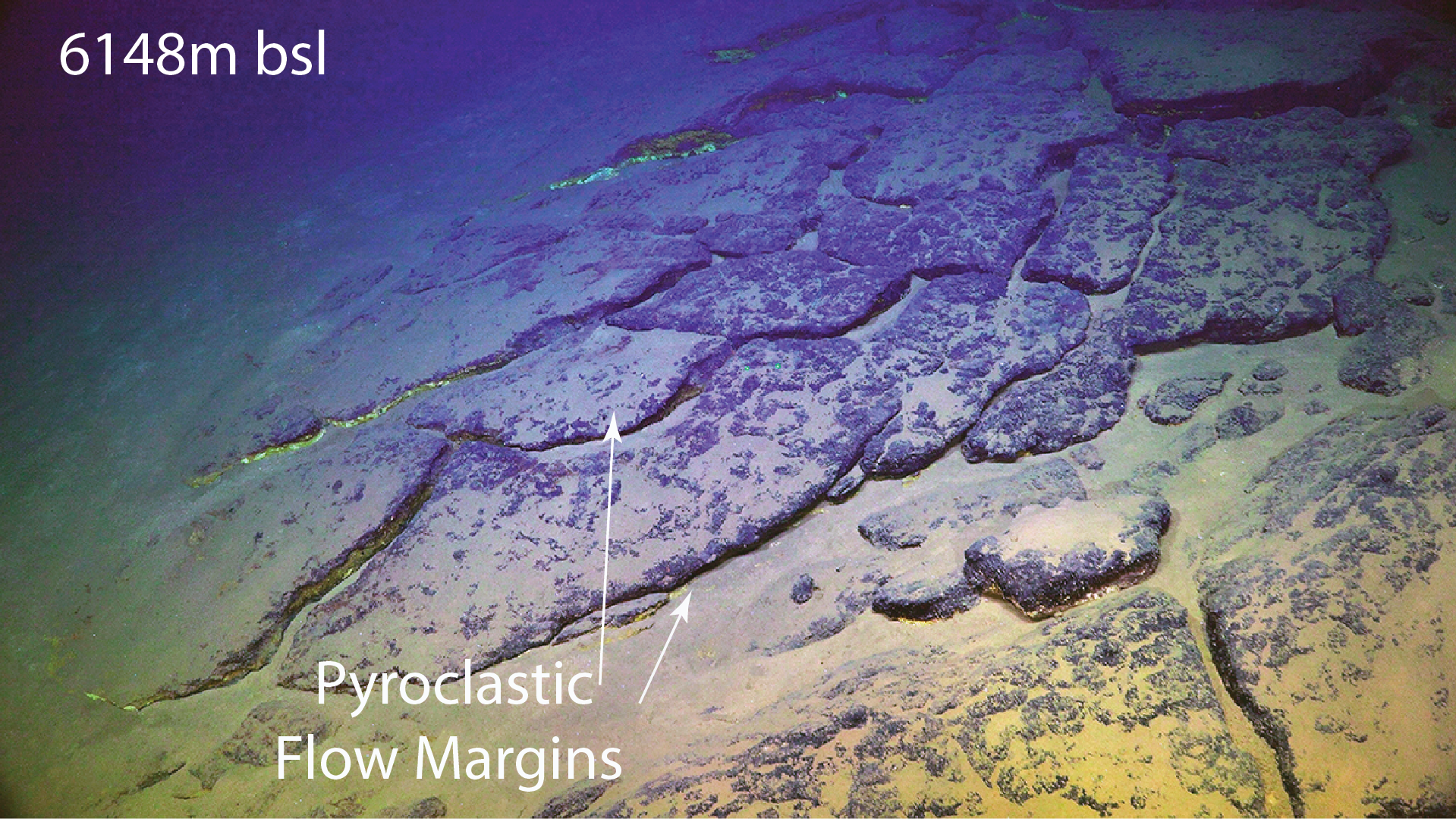
Scientists have discovered the world's deepest explosive volcanic eruption at Challenger Deep in the Mariana Trench, a finding that has left many in the geological community puzzled. This eruption occurred at a depth of approximately 10,900 meters (35,800 feet), making it the deepest known volcanic activity ever recorded. The eruption was observed through a combination of underwater drones and acoustic monitoring, which picked up unusual seismic activity in the area.
This discovery is significant because volcanic eruptions at such depths challenge existing theories about how and where volcanic activity occurs. Historically, scientists believed that explosive volcanism was primarily confined to shallower depths where magma could accumulate and build pressure. The Mariana Trench, however, is known for its extreme conditions, including high pressure and low temperatures, which typically inhibit explosive eruptions. This finding suggests that our understanding of volcanic activity may need to be revised, especially in extreme environments.
Researchers have pointed out that the eruption could provide crucial insights into the geological processes occurring in the Earth’s crust. Volcanic eruptions at depth can affect ocean chemistry and marine ecosystems. They may also have implications for our understanding of the Earth's mantle and the movement of tectonic plates. Understanding these processes is key to predicting volcanic activity and assessing potential hazards, even in regions far removed from land.
Moving forward, the scientific community will likely focus on further studying the eruption and its impacts. More data collection efforts are planned, including additional underwater exploration and analysis of sediment samples from the trench. This could help clarify the mechanisms behind deep-sea volcanism and its role in the Earth's geology. The findings may also foster greater awareness of the unseen geological activities that shape our planet, even in the most remote and extreme environments.
Read Full Story at Live Science →